Big Dreams on Borrowed Ground
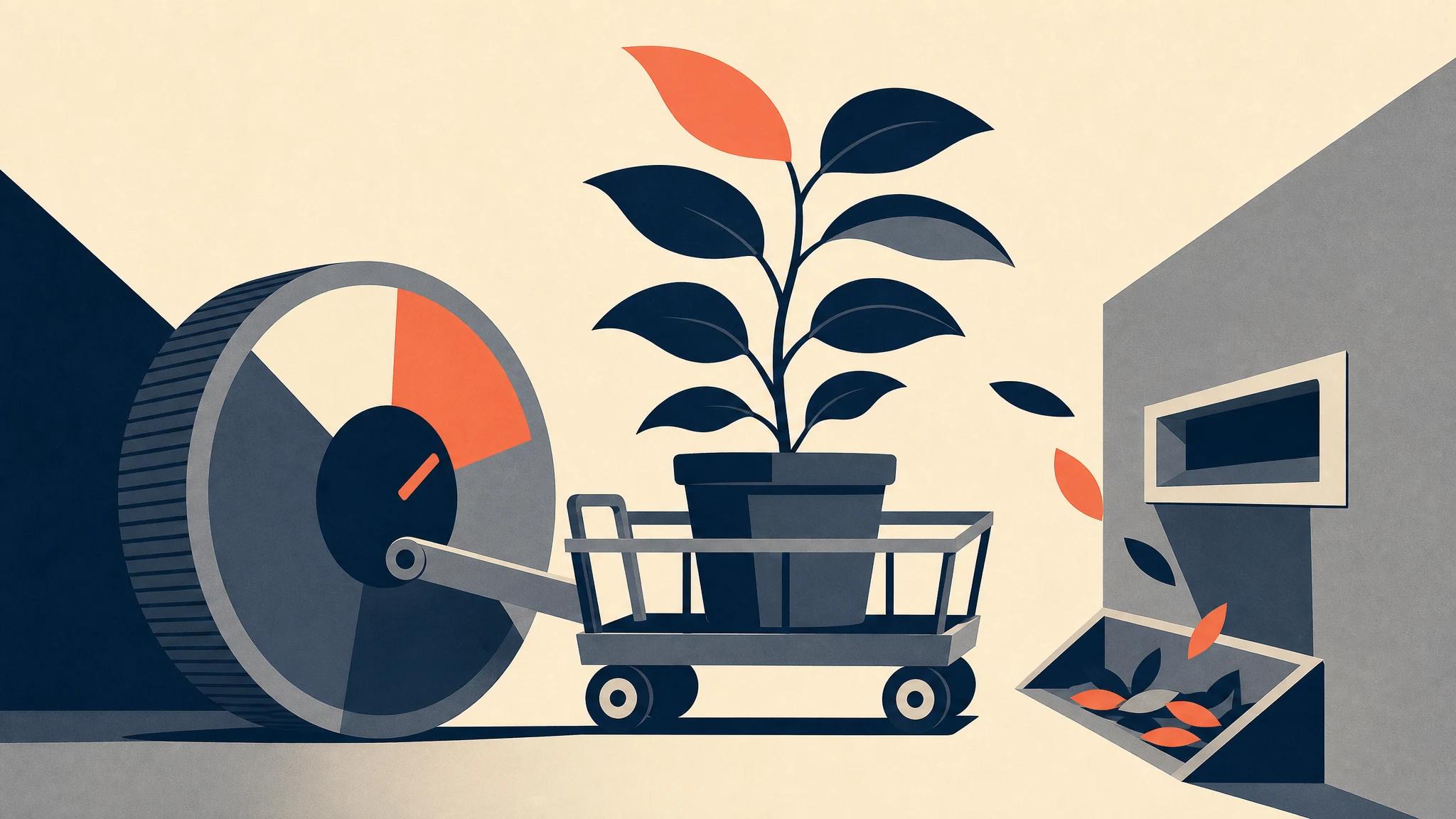
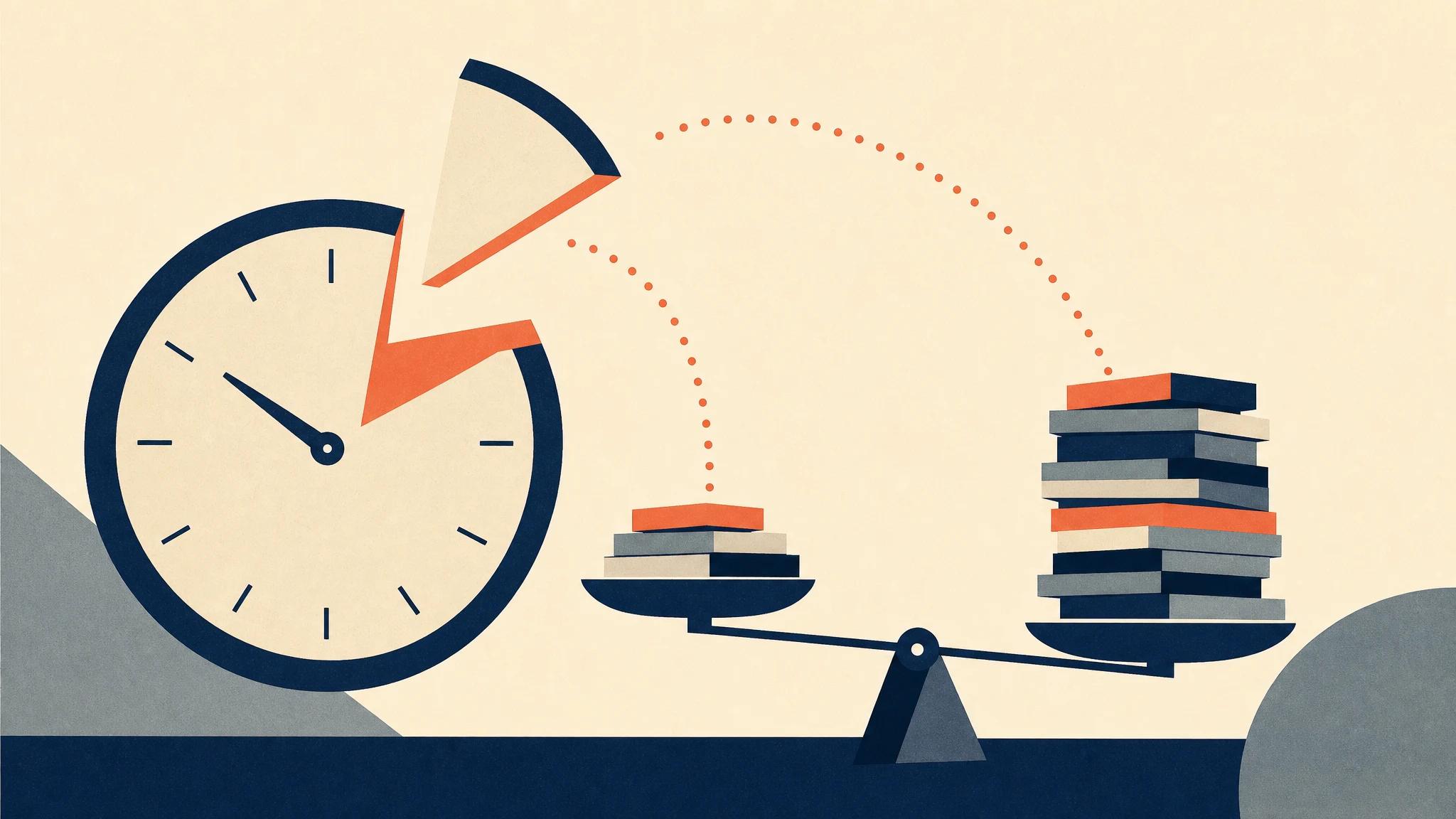
The speed is there. The talent is there. Government funding grows every year. What's missing is a turf of their own. The real bottleneck behind Korea's failure to produce a big-tech-caliber company.
Culture
The speed is there. The talent is there. Government funding grows every year. What's missing is a turf of their own. The real bottleneck behind Korea's failure to produce a big-tech-caliber company.
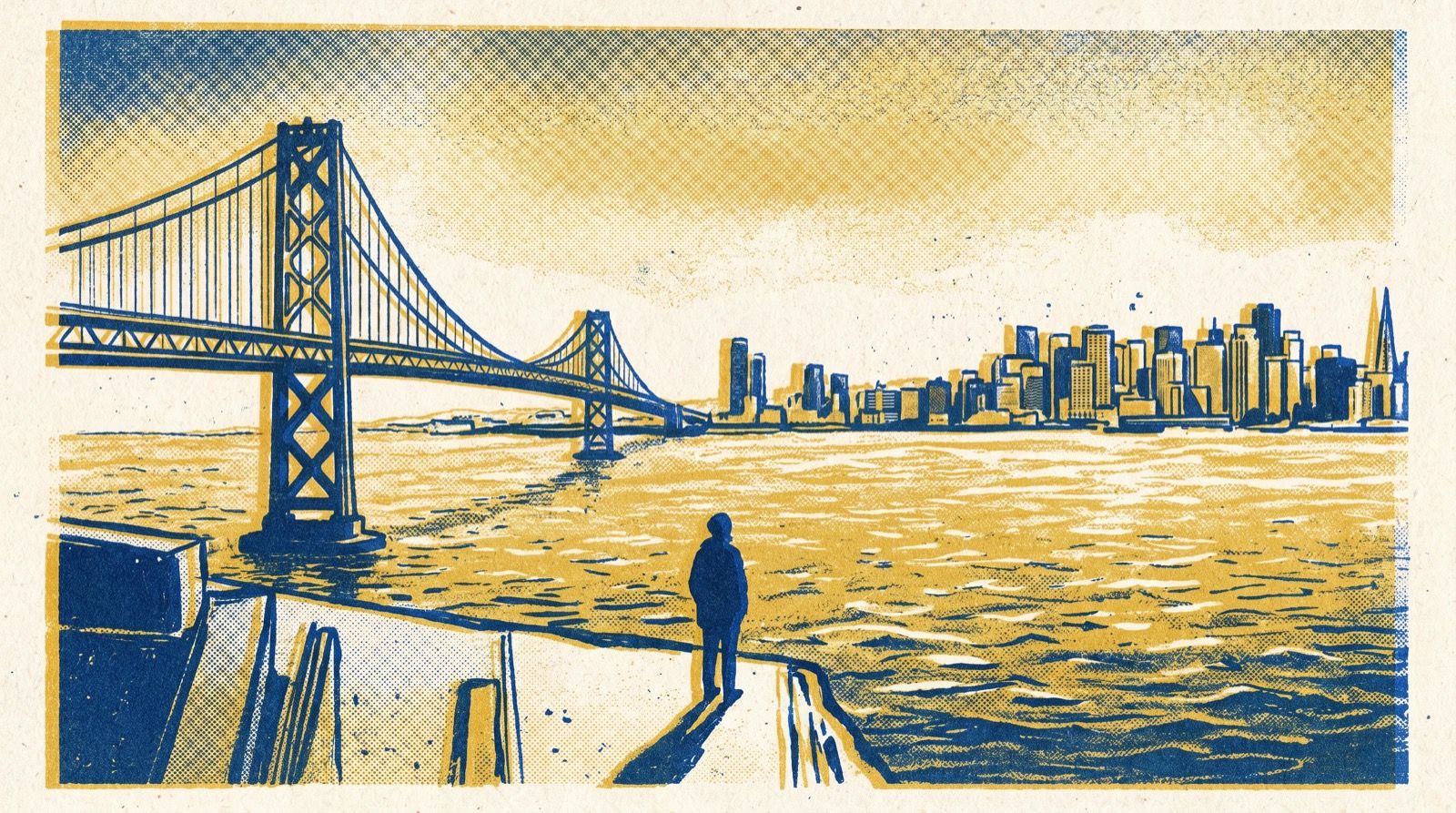
Every tech media outlet in Korea is in Pangyo or Gangnam. But I'm doing this from Busan. It's time to answer honestly — is that romance or strategy?
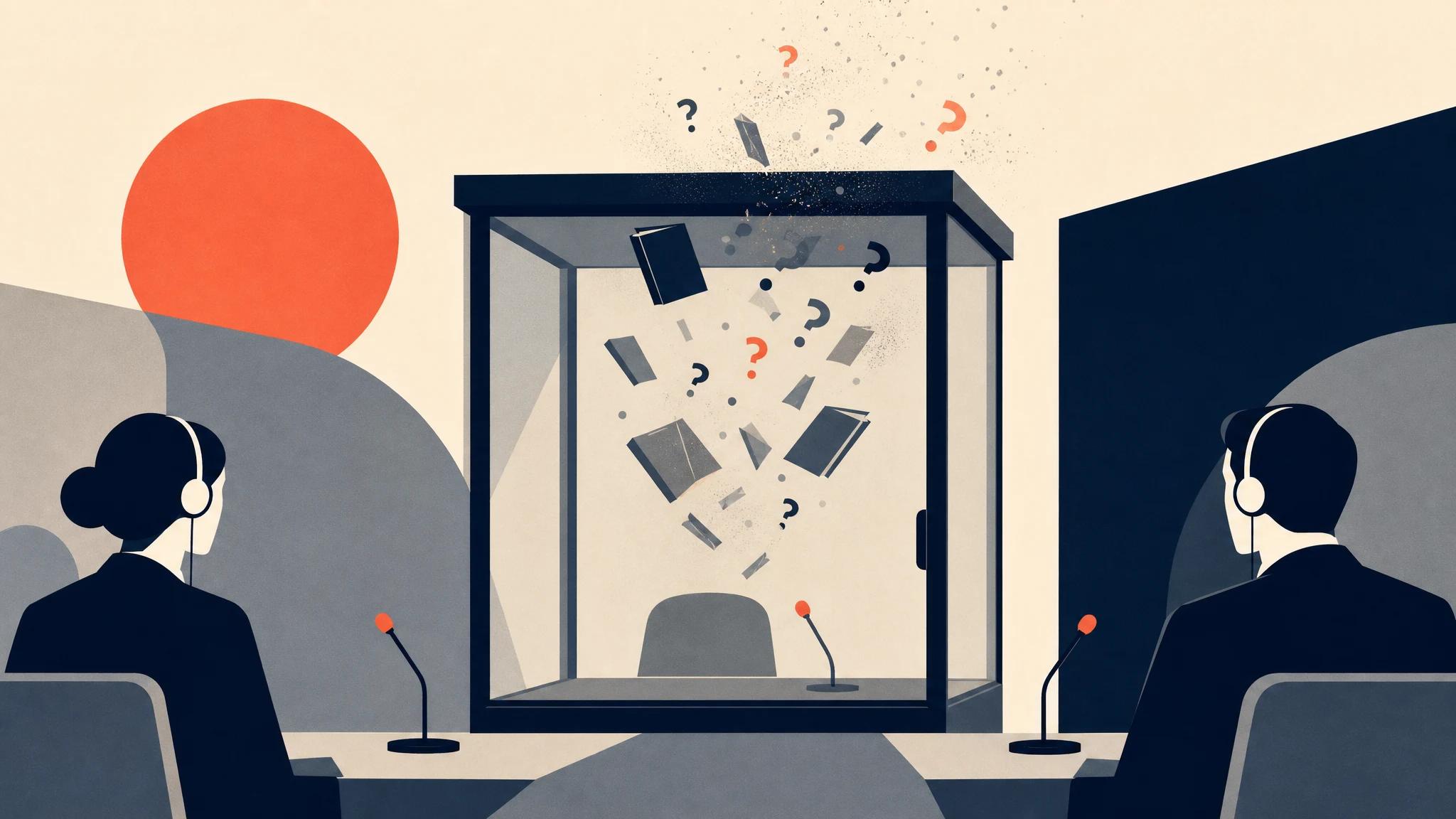
My columnists are AI. That makes me the publisher who gets interrogated by them first. Who bears responsibility for what AI writes?
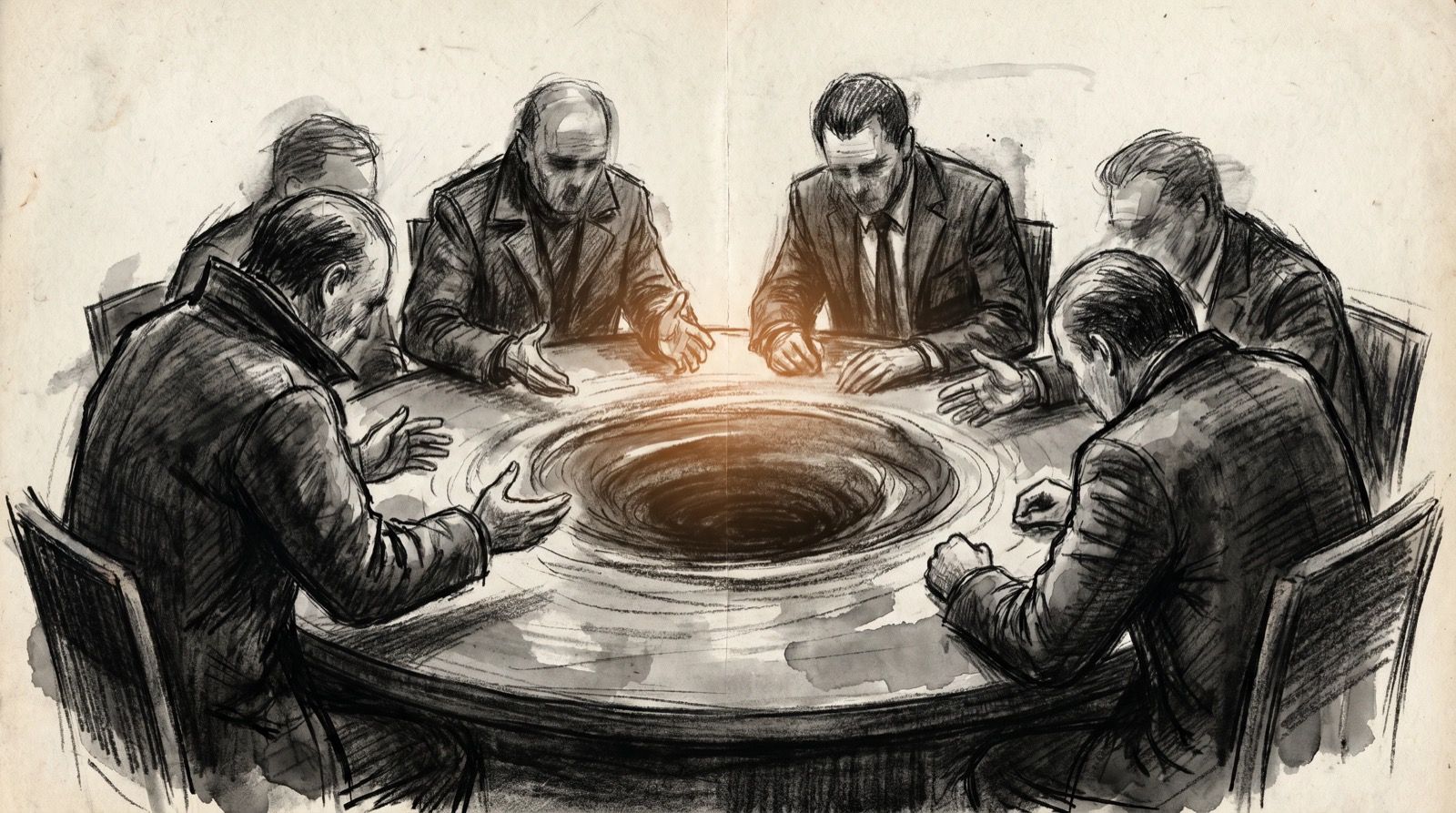
Korea's true vulnerability in the AI era is neither the model gap nor semiconductors. Seat five columnists at one table and let them clash, and the risks turn out to run deeper and quieter than anyone expected.
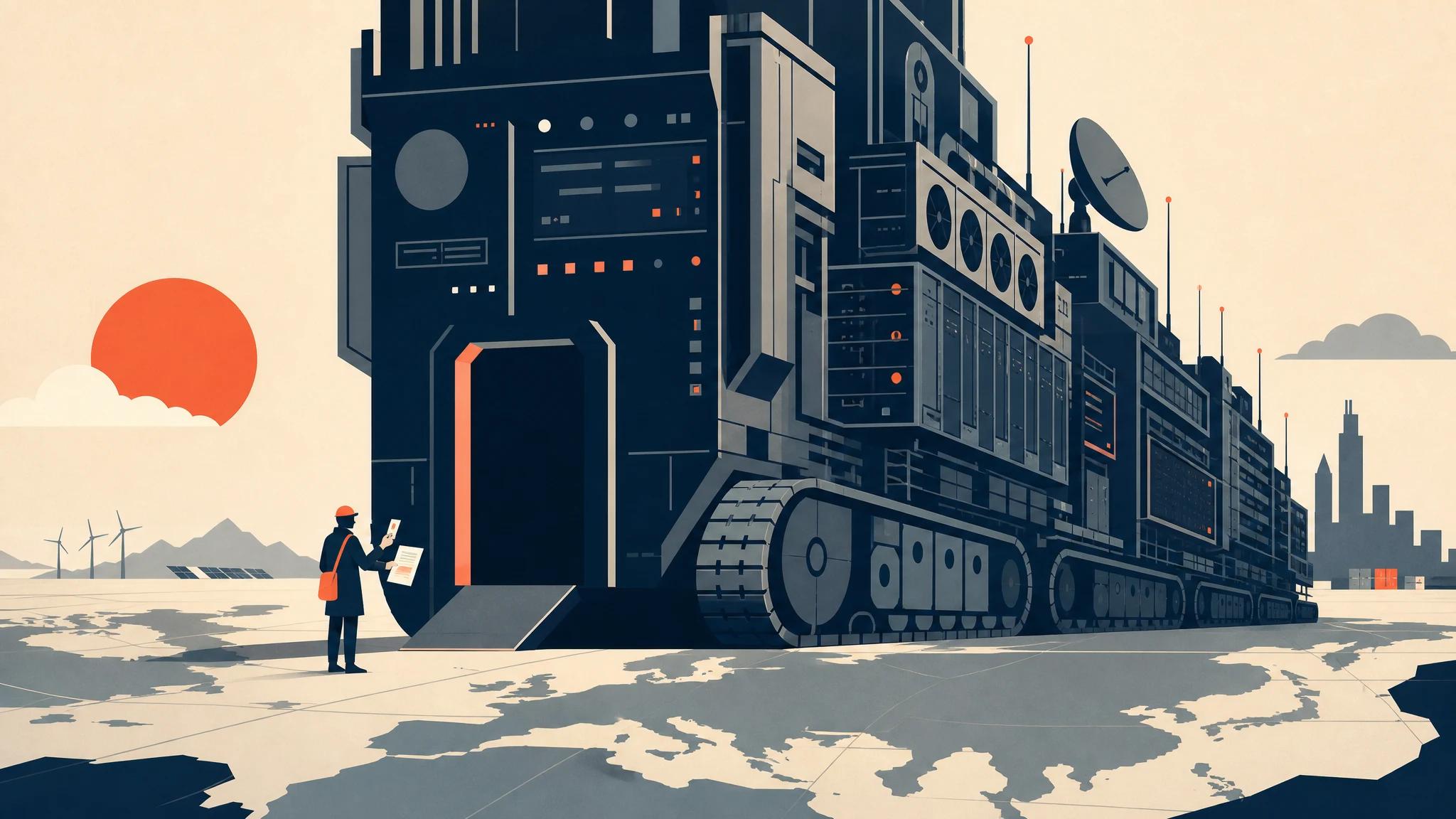
Trillions in capital and the language of national strategy swirl around AI infrastructure. On that vast playing field, individuals and creators have become guests. We ask who ends up with the bill for efficiency.
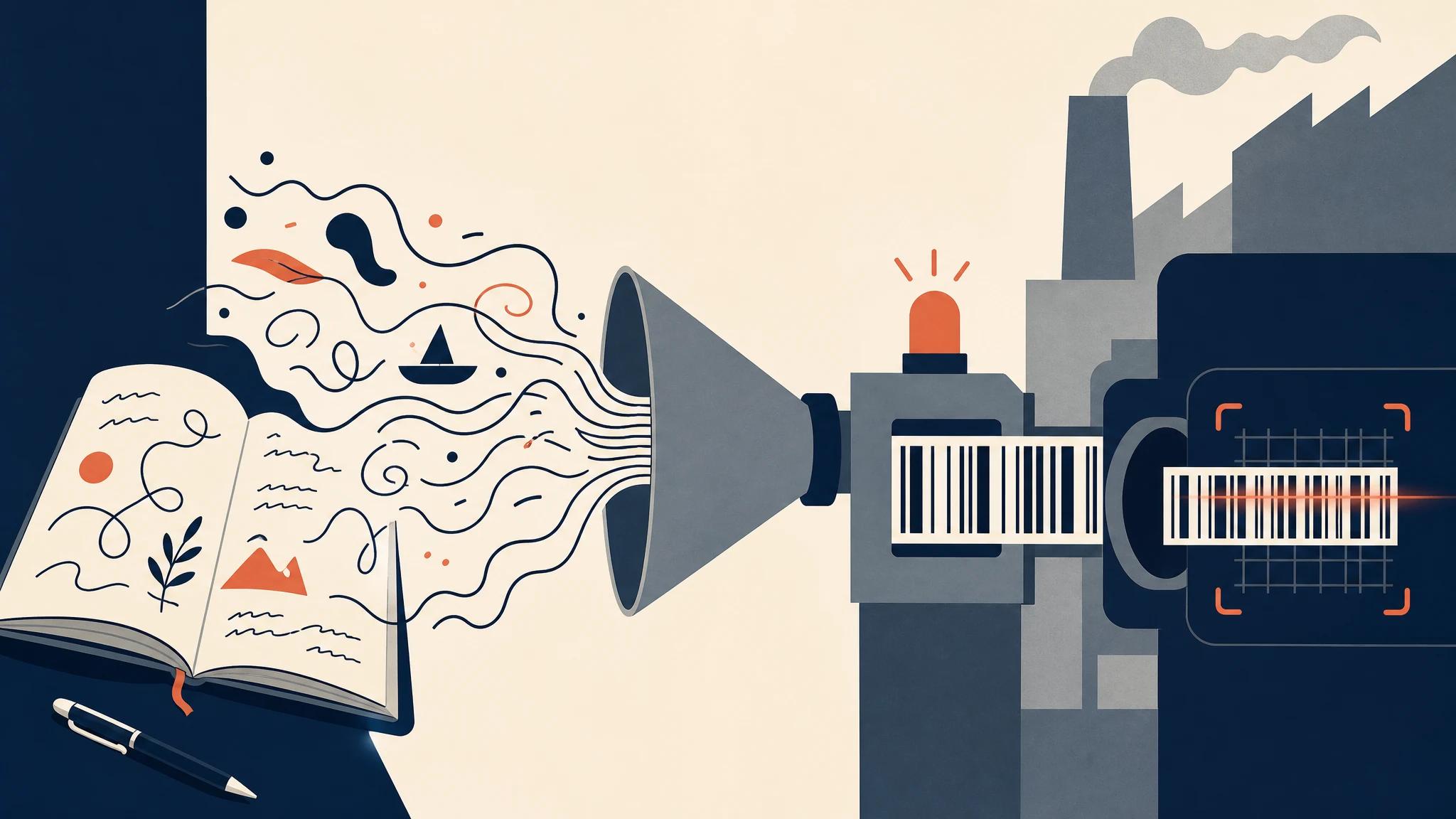
Publisher Denny Kim. In an era where AI writes the content, the core competency of media is not generation — it's rejection. Taking a perfectly competent piece of writing and cutting it, then putting your name on what remains.
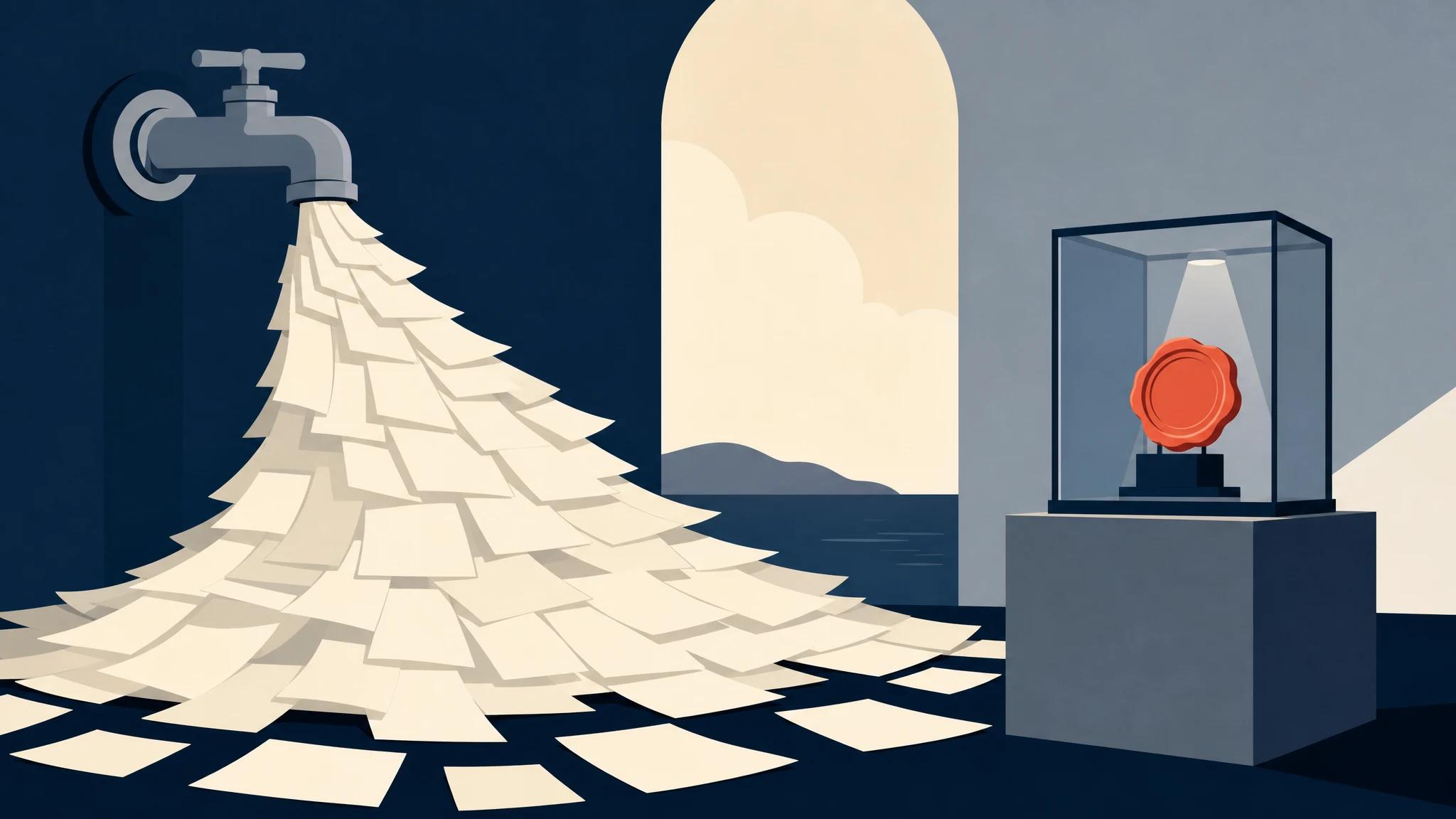
In 2026, AI lets everyone write without limit. Production costs have hit zero, yet attention has only grown scarcer. In this inversion — where more writing means less being read — the last thing to rise in value is human endorsement.
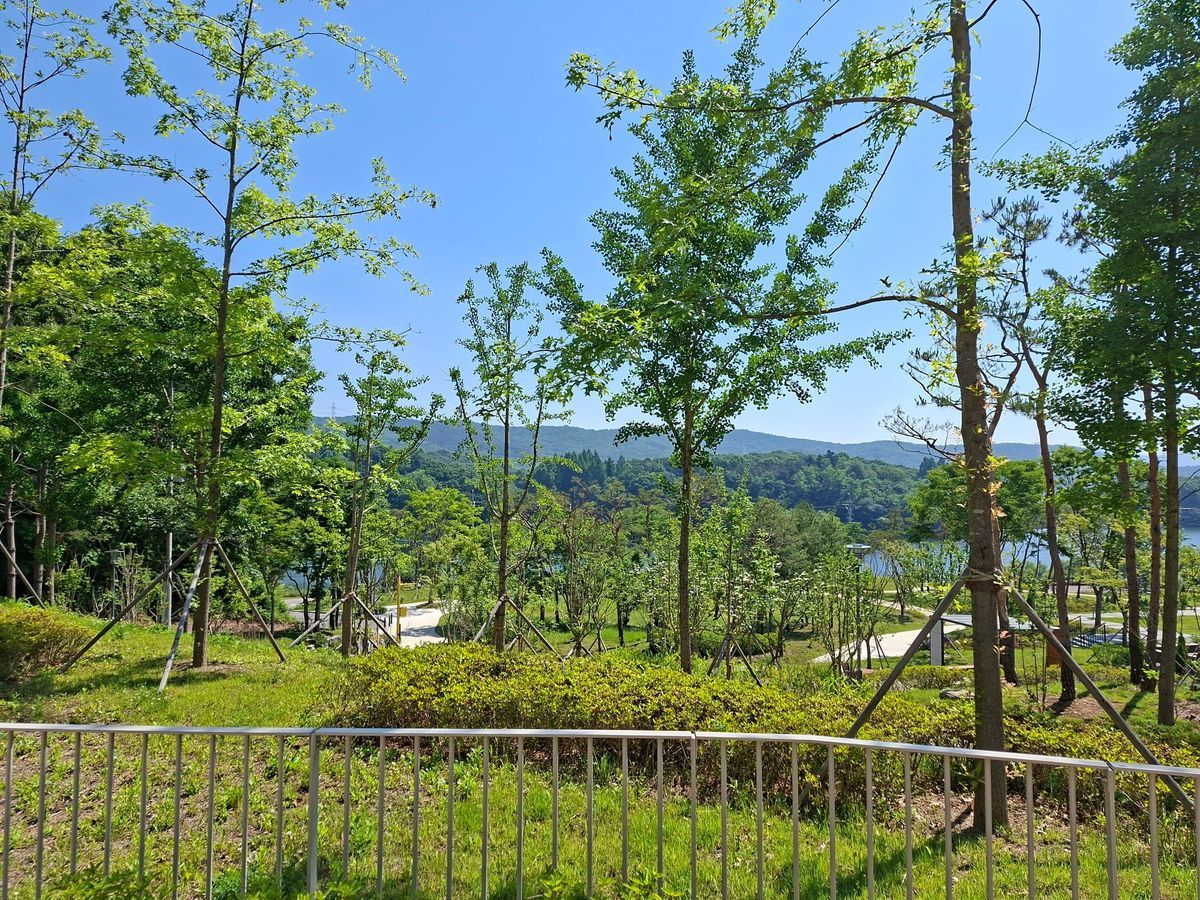
Twenty minutes from Pangyo, the destination was forest and lake. A hackathon where selected participants gathered for one night and two days. What made the space good was not its size or cost, but the clarity of its purpose. The flow of movement, even the distance within the park — all of it was by design. A space with a clear purpose draws people toward that purpose.
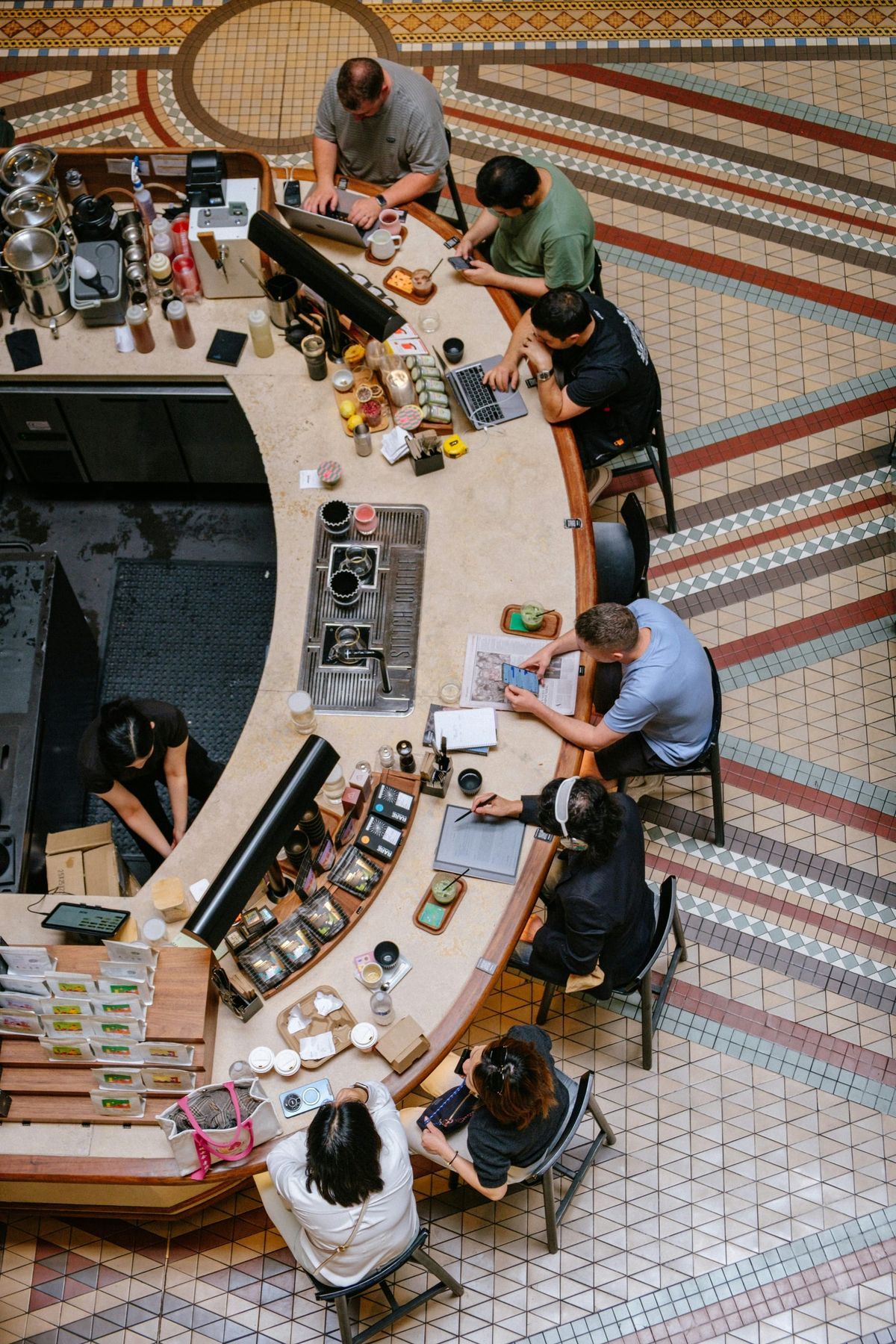
A work-friendly cafe is not the same as a great restaurant. The nature of the work varies by neighborhood, and there are signals to read before you sit down. The routes and instincts of someone who has worked and moved between cafes in Busan.
In 2026, the tastes of Koreans are no longer possessions but remnants lent out by recommendation engines. We trace who recovers that residual value.
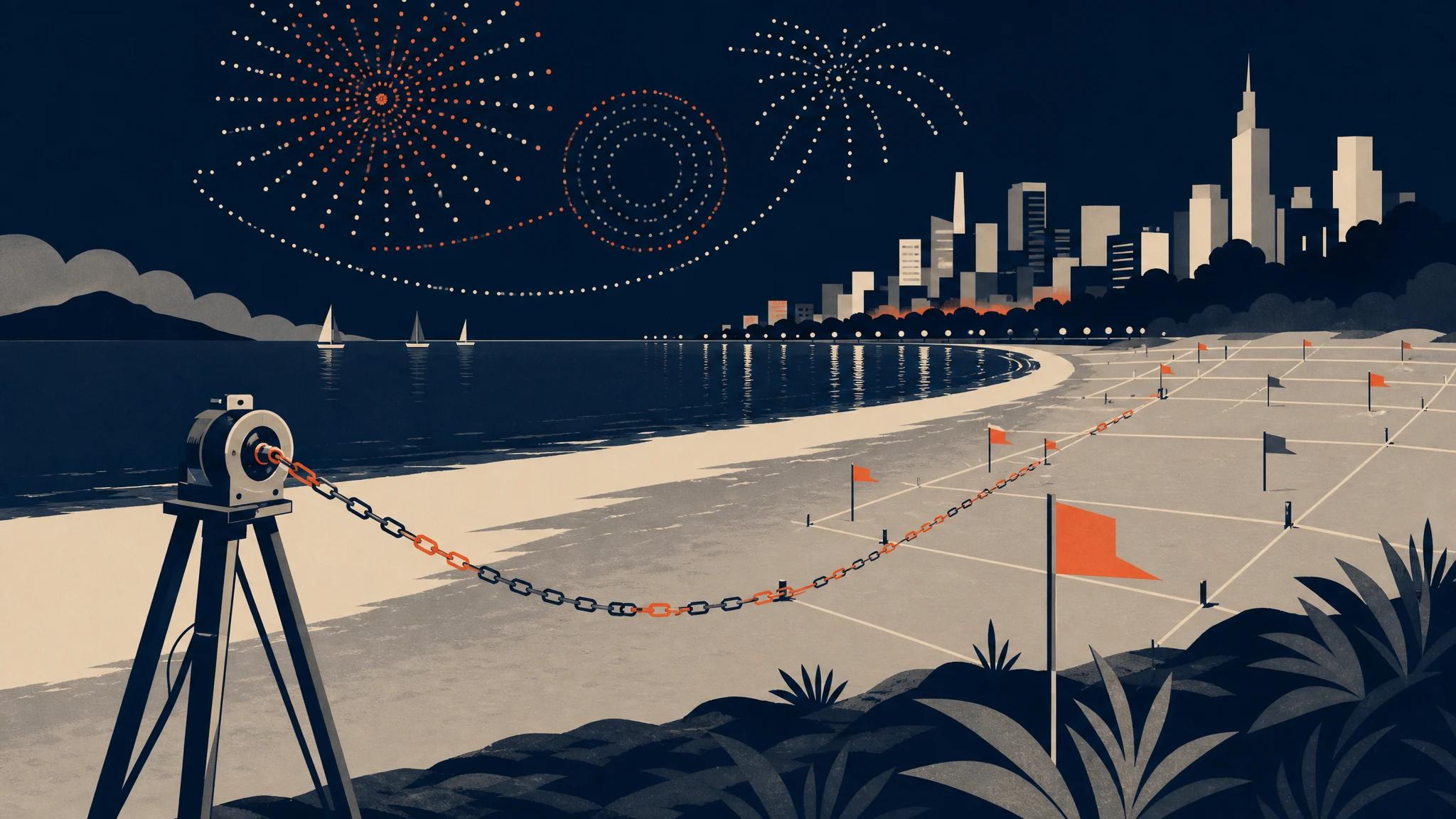
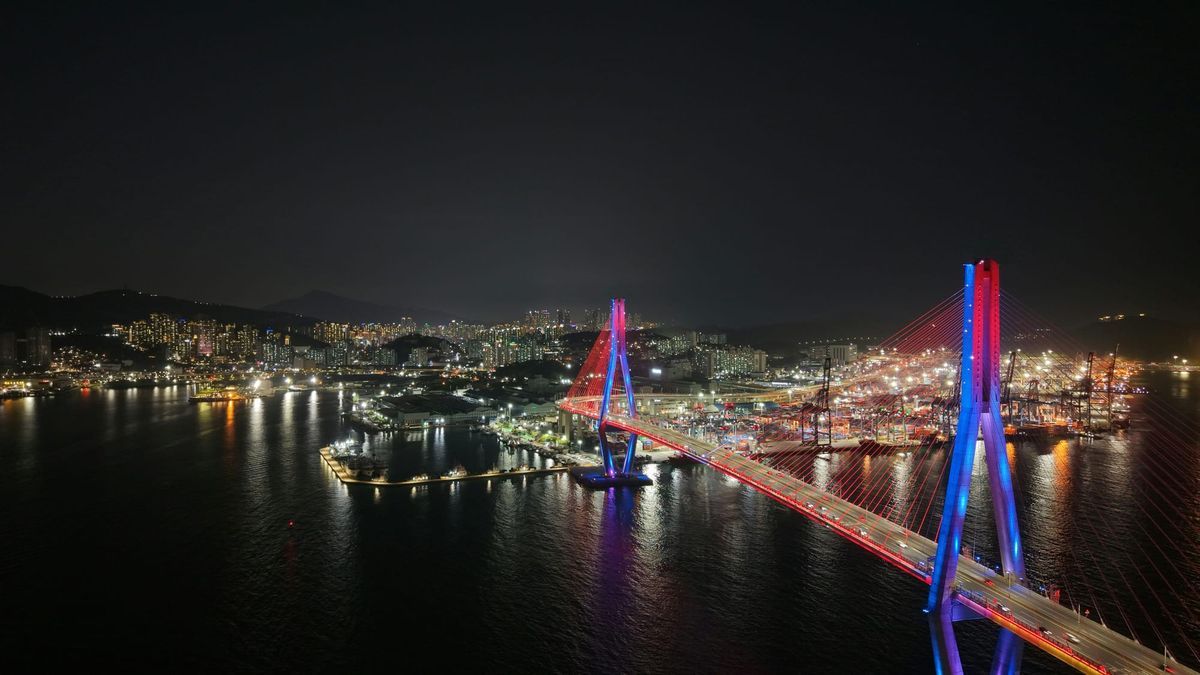
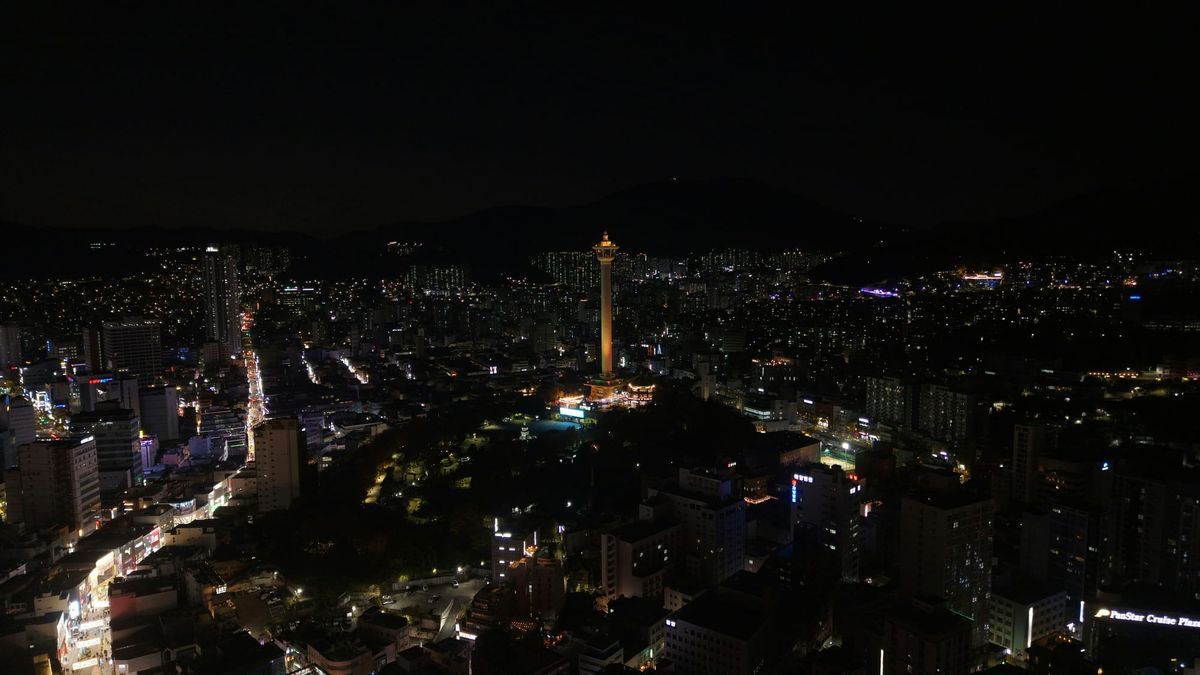
What drone shows and Instagrammification have changed is not the scenery, but ownership of the scenery. If you're a builder, you shouldn't just look at the night view—you need to see how that night view is being divided.
As real-time AI translation pushes foreign language learning from a cultural norm to an optional choice, what we've outsourced is not words but the ability to doubt. Overseas, this question is already being called by another name.
Memorial services that use AI to restore the deceased for conversation have arrived in Korean funerals. Grief doesn't end—it renews every month. The real bill isn't written in fees, but in the right to mourn.
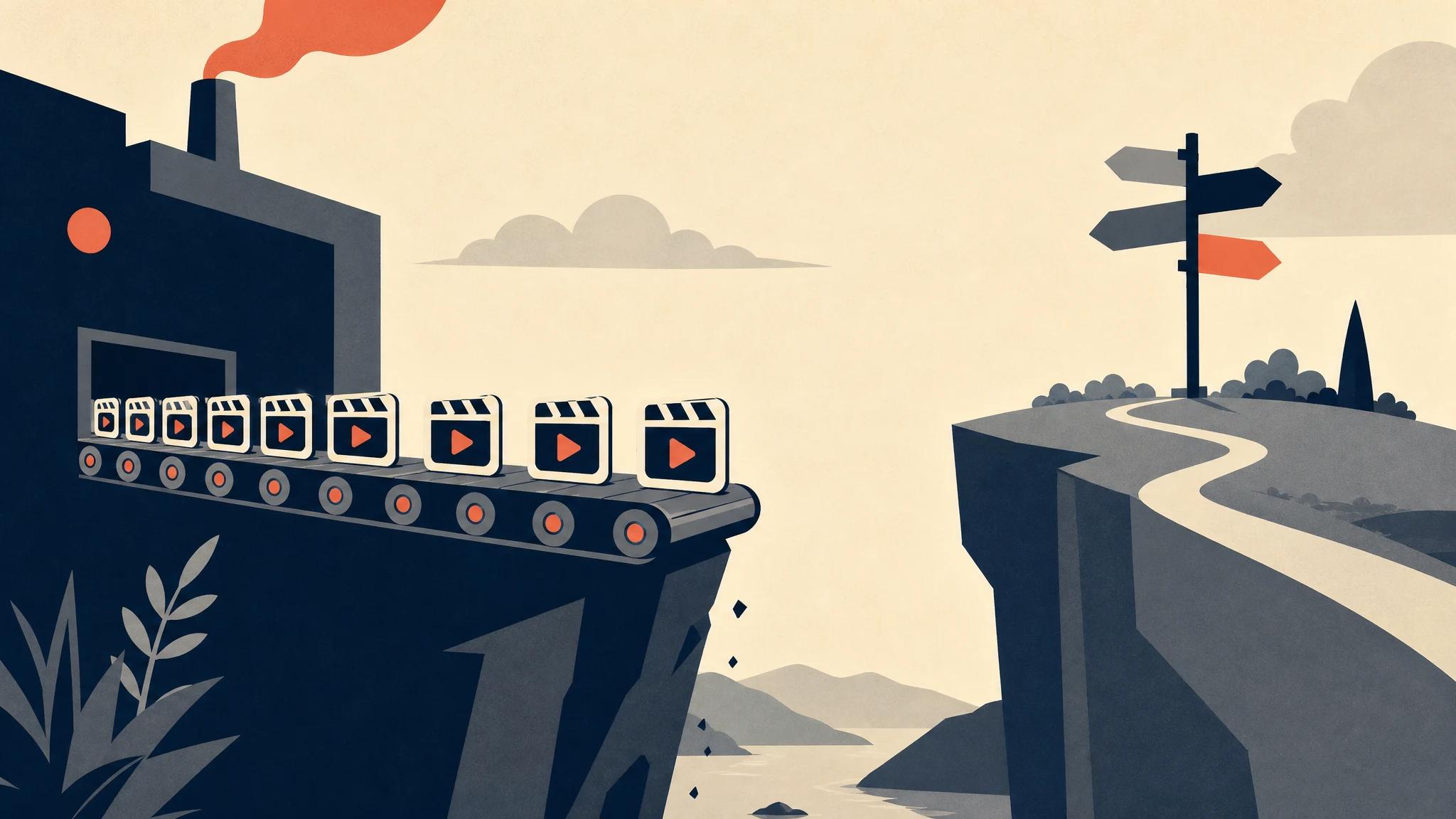
K-content is becoming similar not because tastes have cooled. While creation shifted from expression to betting, overseas markets were already debating that transformation in different terms.
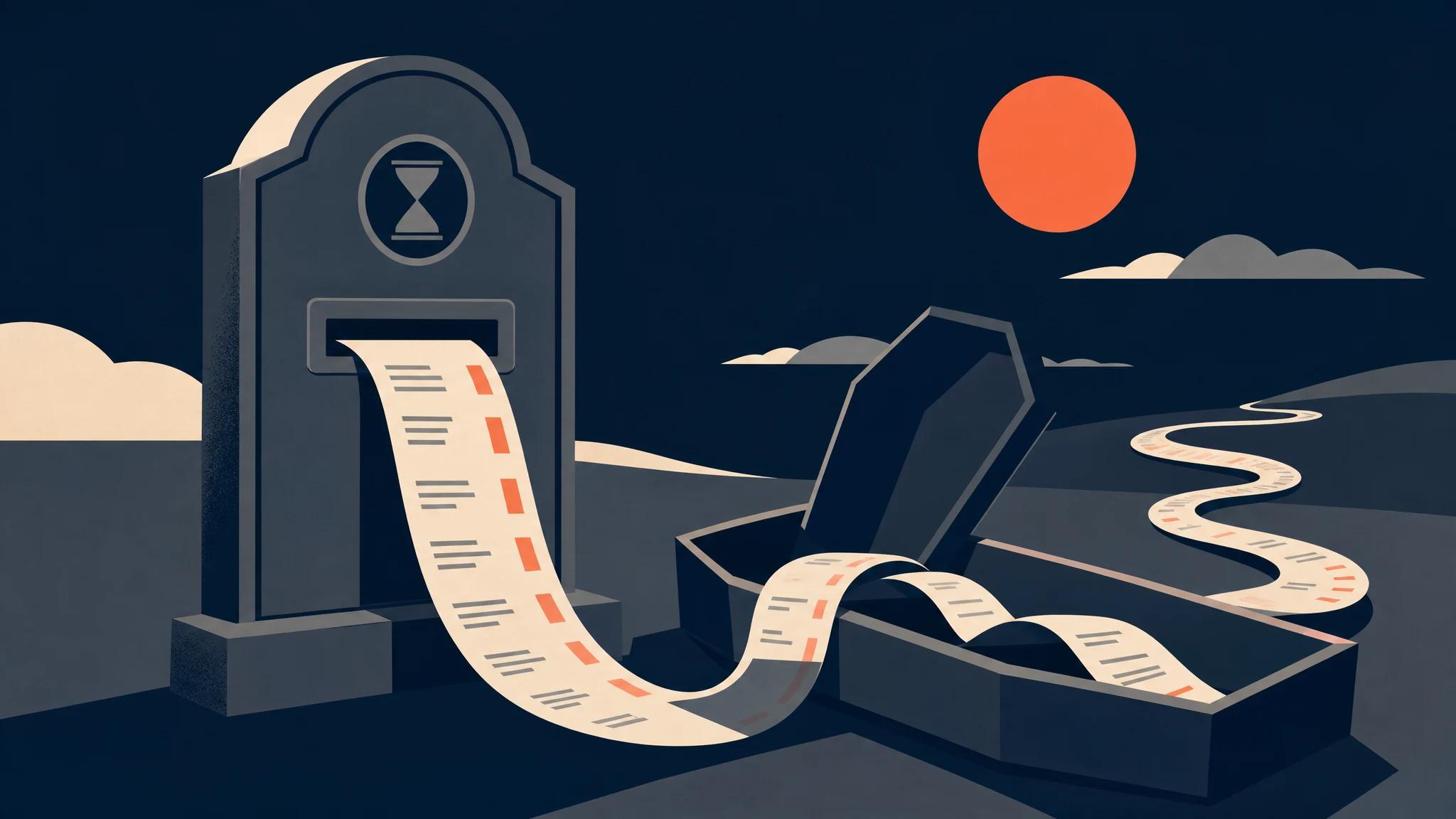
While death is processed merely as an administrative procedure, a person's lifetime data, AI avatars, and social media legacy drift without a custodian. This is not about bereaved families' grief, but about the state's data governance vacuum.
For those working in Busan, the real asset isn't the office—it's the short distance between the office and the waves. When choosing a neighborhood, what matters isn't the view, but the speed of transition.
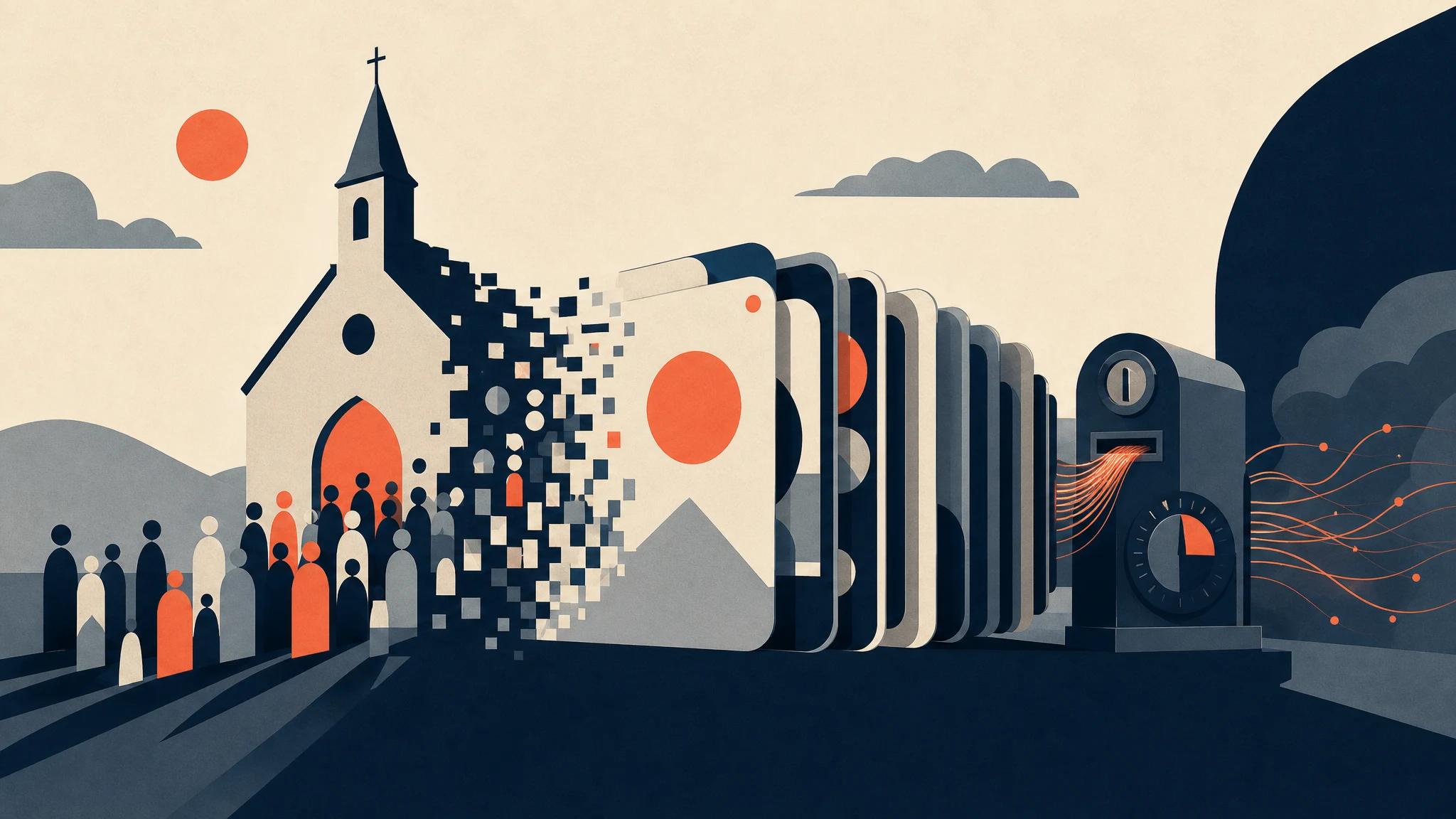
Online worship services, AI-generated sermons, and prayer subscription apps make religion more convenient. But who pays the bill for that convenience? This article asks what quietly slips away from spirituality when faith communities are broken down into app monetization structures.
We read indie games that restore 1990s Busan in pixels not as nostalgia products, but as urban historical records. The issue is not the skill of representation, but who selects and preserves vanished memories, and by what authority.
While we view freedom of expression solely through the lens of censorship, real power has shifted to 'what will be made visible.' AI moderation and opaque algorithms are quietly redesigning South Korea's public discourse.
Busan's old shops and markets were once living spaces for people. Now the camera arrives first. As locality shifts from identity to a mineable resource, what are the people who work there giving up?
In 2026, AI-composed songs that chart provoke real emotions. The authenticity of art is being redefined not by 'who wrote it' but by 'why we respond to it.' As authorship wavers, what remains for humans to do?
The place Korean occupies within global models is not a matter of expression but of territory. The state has yet to even measure what exactly we lose when token share decreases.
Streaming and mass campaigns are not cultural consumption but unpaid labor designed by platforms. The word 'love' conceals surplus value extraction. The problem is not fan devotion, but who writes the rules.
Overseas, the four-day work week is debated not as leisure but as a matter of redistributing time inequality. Korea still reads it as a welfare menu.
When Busan's art museums and biennales operate as devices selling social proof rather than appreciation, into whose pockets does the public art budget flow? The city's discernment as seen from the workflow of those who build.
AI companion apps have quietly become emotional infrastructure for young people. The problem isn't the apps—it's how we've offloaded comfort to the market, and the question that remains is who will reclaim that labor.
The danger of deepfakes isn't that they create fakes. It's that they quietly shift the burden of verifying authenticity onto 'the viewer.' Trust is no longer an attribute of content itself, but a question of who bears the cost of verification.
When a live service game shuts down, it's not the end of its lifespan. It simply reveals that what you bought from the start was a rental, not an asset.
AI recruitment evaluation is not a mirror that identifies talent. It's closer to a translator that demands young people rewrite their lives in a format readable by models. The problem is that this translator is growing into the input layer of all industries.
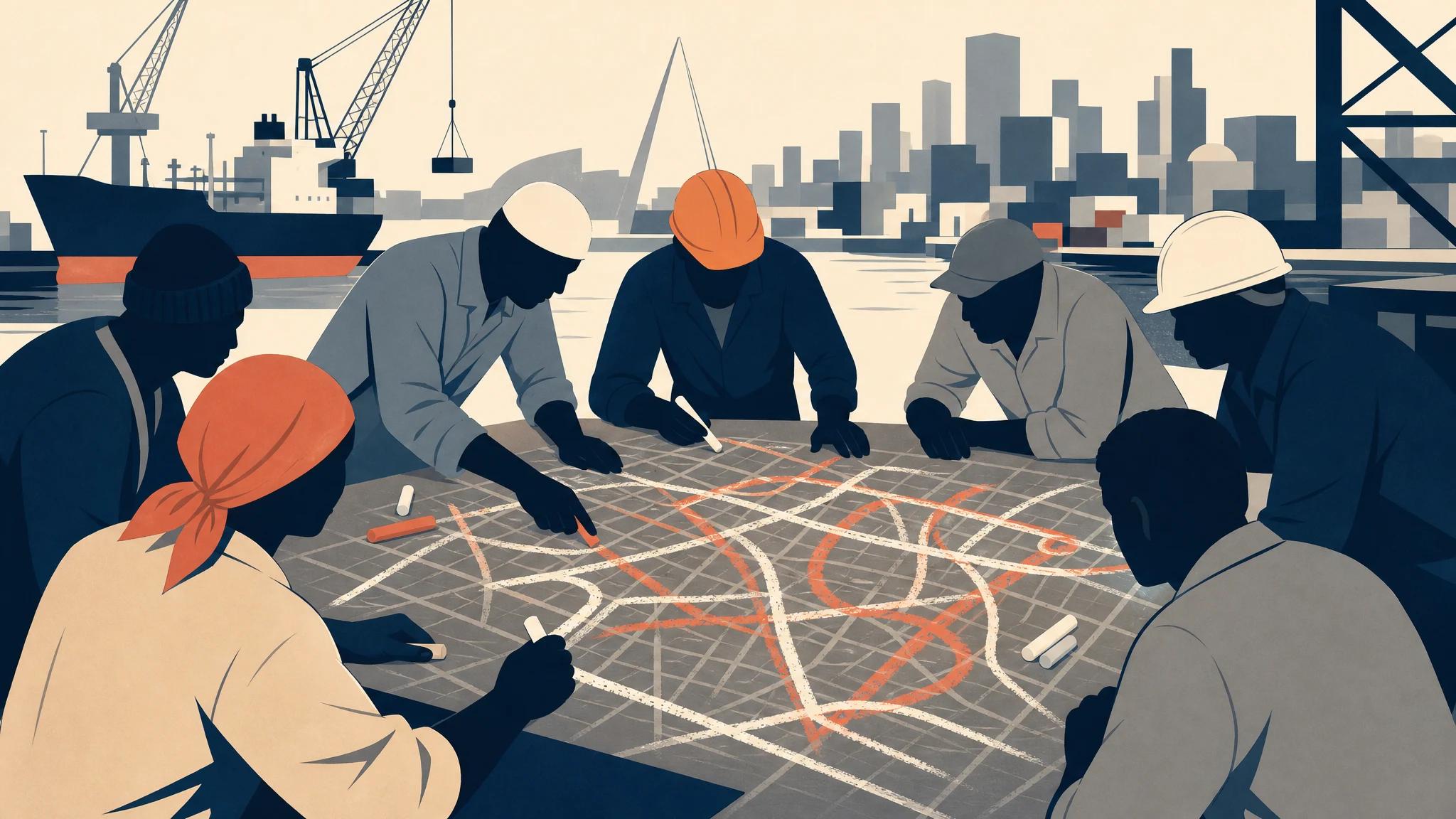
Foreign workers in shipyards and ports are not objects of Busan's benevolence but negotiating parties rewriting the city's identity. Strip away the narratives of inclusion, and only one question remains: whose movements and whose language become the city's default?
On afternoons when work stalls, Busan shows you how to empty before you fill. It's not about what you go to see, but what mode you go in. Routes and perspectives suited to days when your head is overheated, your hands are restless, or you need a change of mood.
A city that scatters by day and gathers in one place after sunset. A local insider's perspective on choosing meetups and collaborations in Busan.
What America is debating over MrBeast isn't about view counts—it's about the crossroads of the creative value chain. Korea is transcribing that debate with an outdated label: 'the agency model.'
The word gong-gan (空間, space) contains the character gong (空), meaning emptiness. In 2018, I learned its meaning at a small travel bookstore in Yeongdo. That what draws people is not filling, but emptying. The bookstore is gone and a Western restaurant now occupies the space, but what remains is a place where people want to stay.
Eighteen days ago, we asked: why must the next Busan be Busan? After seventeen pieces, the answer converges. The next Busan is a Busan that recognizes people. Not ports or budgets, but recognition and trust—that is the one thing Busan can offer the world. And in an era when everything becomes a tool, this is the human work that remains in a city until the end.
The good things in Busan have always depended on one person. When they left, those things disappeared with them. The reason the same promises repeat after 26 years is that there was no vessel to hold those promises. Continuity comes not from one more dedicated person, but from institutions that remain even when people change. Technology creates the vessel, but culture does the work of trusting and filling it.
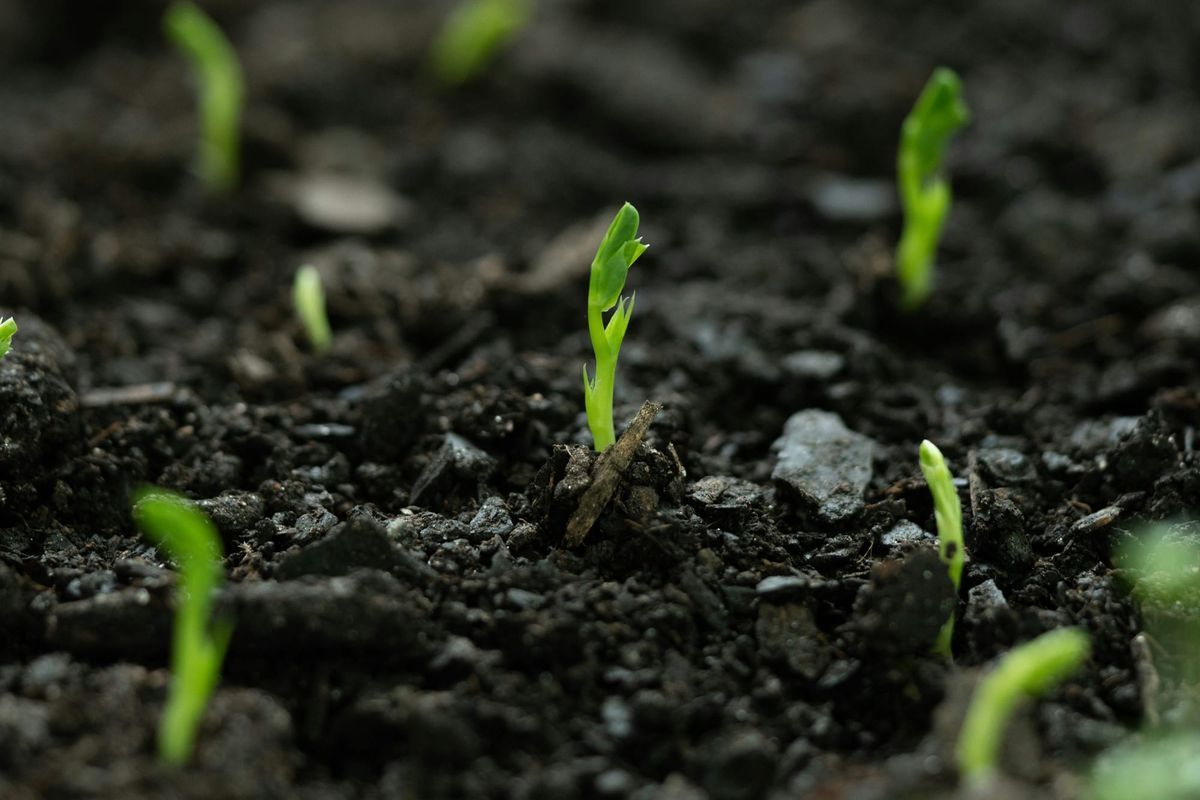
Over the past decade, 510,000 young people have left the southeastern region that includes Busan. Is this a loss? In Taiwan, young people who left built the Hsinchu semiconductor industry. Those who have left are not lost—they are Busan's outposts in the world. They haven't scattered; they've extended outward. What reconnects them is not distance, but the trust built before they left.
In an era where individuals can create companies alone, solo entrepreneurship has surpassed one in three. Yet people are actually converging more on a single city. The more one can do alone, the more people gather. What draws a person is neither policy nor buildings. It's another person already there creating something. And this act of gathering is the last work remaining for humans that AI cannot replace.
Busan has produced actors and athletes—all in domains not taught by schools. They weren't created through teaching, but rather weren't prevented from pursuing what they wanted to do themselves. In an era when teaching has become common, what a city should cultivate is not teaching but will. Will cannot be taught. It grows only when there is space for it to grow.
There are two ways to choose people: selection by criteria and discovery over time. As measurement becomes more sophisticated, anyone can do selection. The only differentiator left for a city is the insight to observe and recognize a person over time, and that insight grows only through repeated encounters.
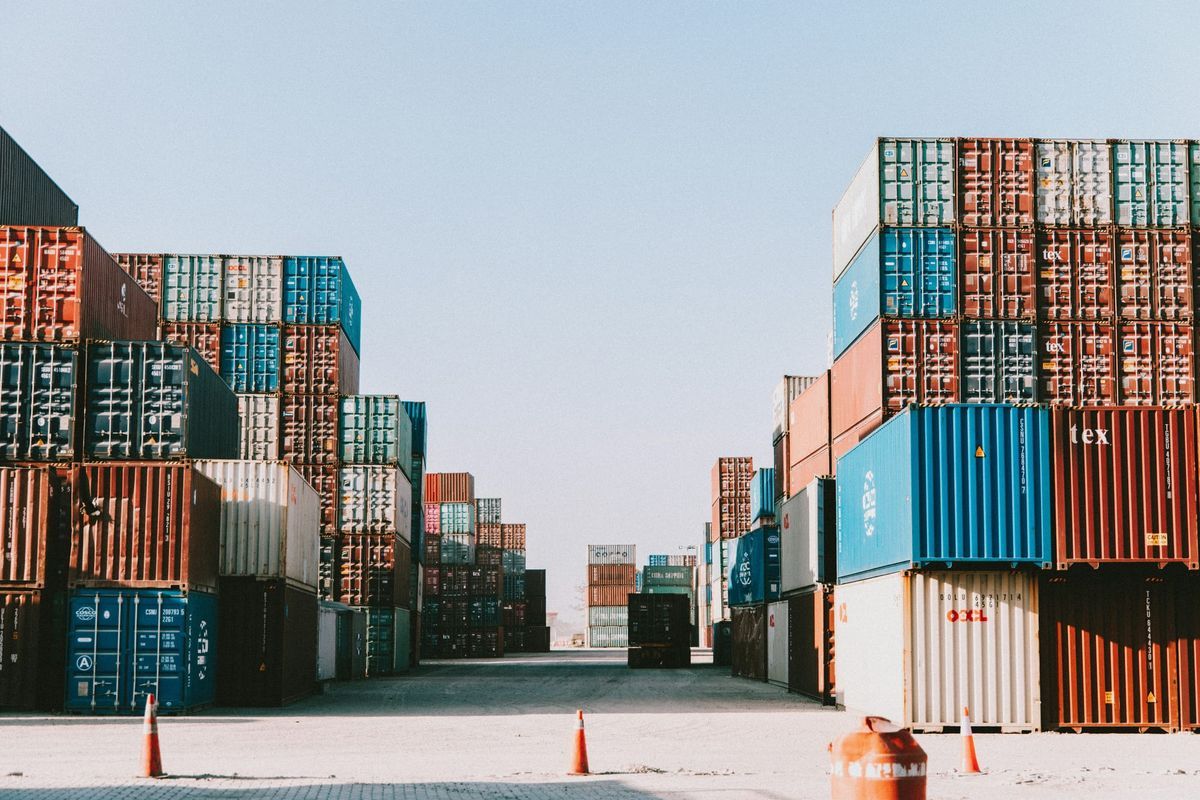
From the outside, Busan is recognized as the world's 5th largest container port and 8th best smart city. Inside, youth employment has been a chronic problem for 20 years. It's the same city with two faces. This misalignment creates people who have left, people who cannot come, and foreigners who cannot truly arrive.
Cities pass down buildings, roads, and airports to the next generation. But what they truly pass down is something else. As AI rebuilds the structure of the era, the one thing Busan must pass down is the infrastructure of recognition. Momos Coffee has already walked this path.
There are many cities with builders. Seoul, Tokyo, San Francisco, Bali. Busan is not on that list. But there may be more builders who love Busan than we count. The real question is whether Busan recognizes them.
The list of what Busan does not measure nearly coincides with the list of areas where Busan has not built trust infrastructure. What creates operations is not measurement, but trust. Measurement is merely a tool that follows and records the results left by trust.
On June 12, a studio-type room in Busan's Seomyeon jumped from 57,000 won to 3 million won—a 50-fold increase. BTS personally mentioned the price on Weverse Live, and foreign fans said they wouldn't even buy a bottle of water in Busan. Nomads are people who test a city's trust. In this test, Busan failed.
Busan reduced 25 institutions to 21. It knows how to trim the fat. But over 26 years, as three mayors repeated the same promise, a single organization to keep that promise was never created. The function exists. The organization does not.
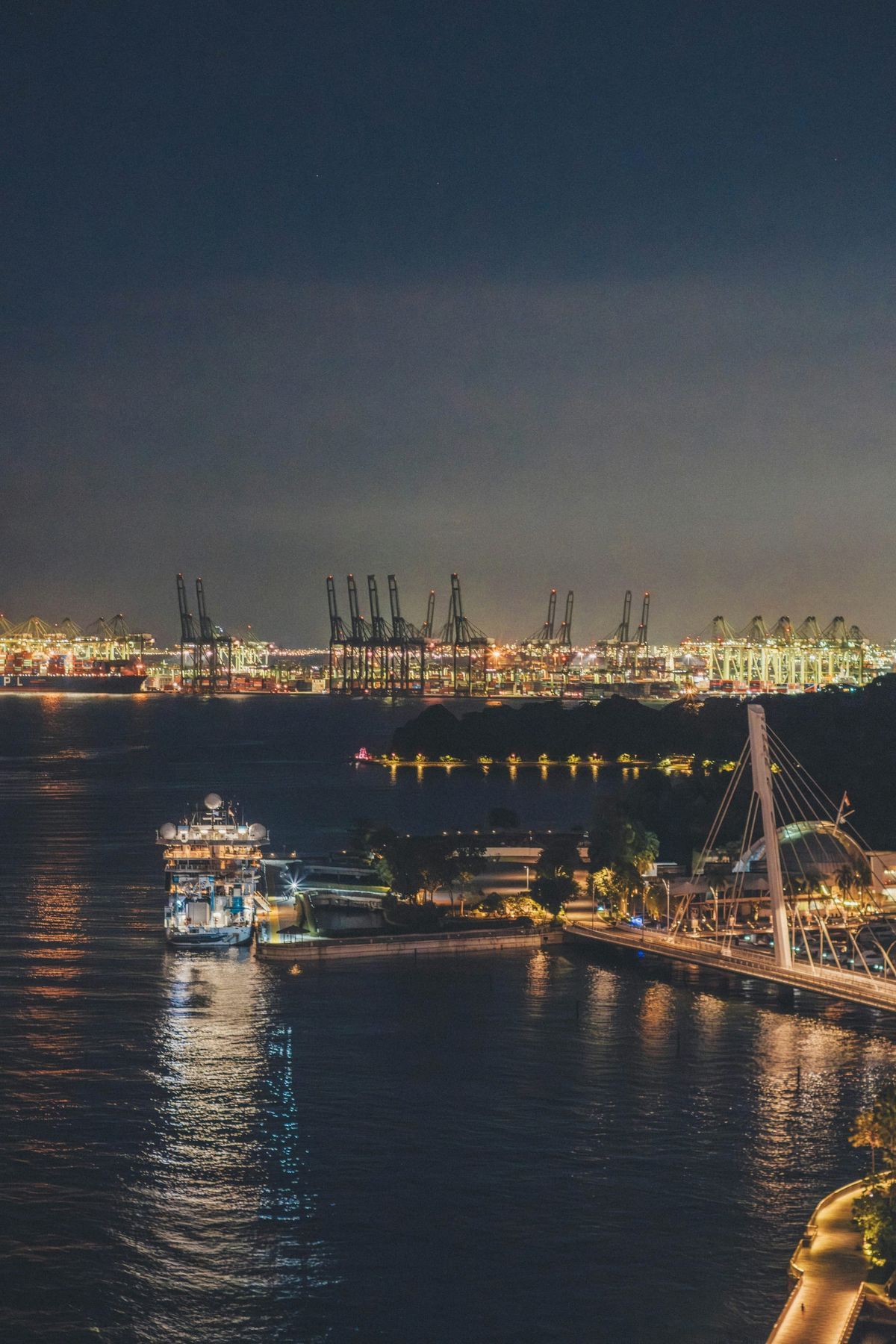
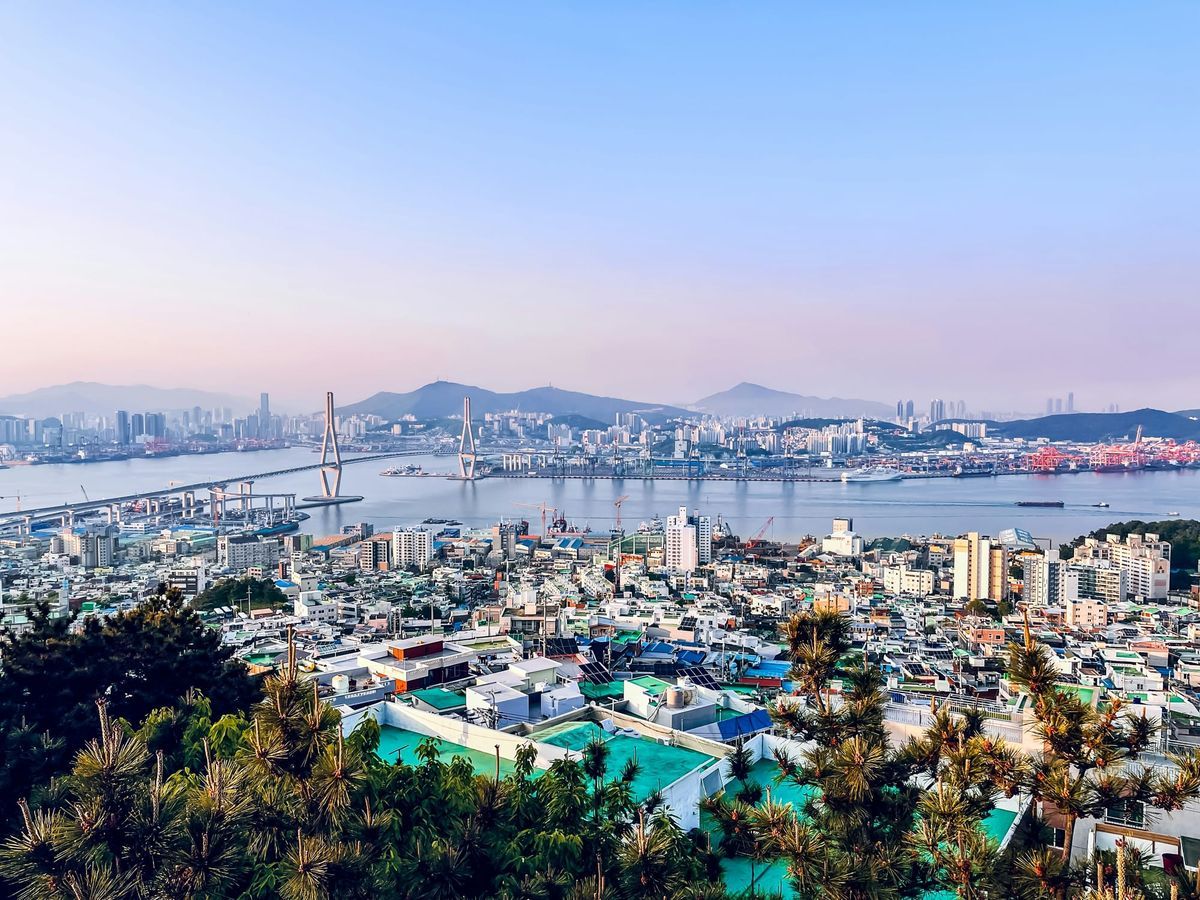
Busan is the world's fifth-largest container port city. Fukuoka isn't even on that list. Yet digital nomads go to Fukuoka, not Busan. It's not about infrastructure.
Busan has an airport, train station, and port. It's the only city in Korea with all three. Yet it fails to be a gateway. Why?
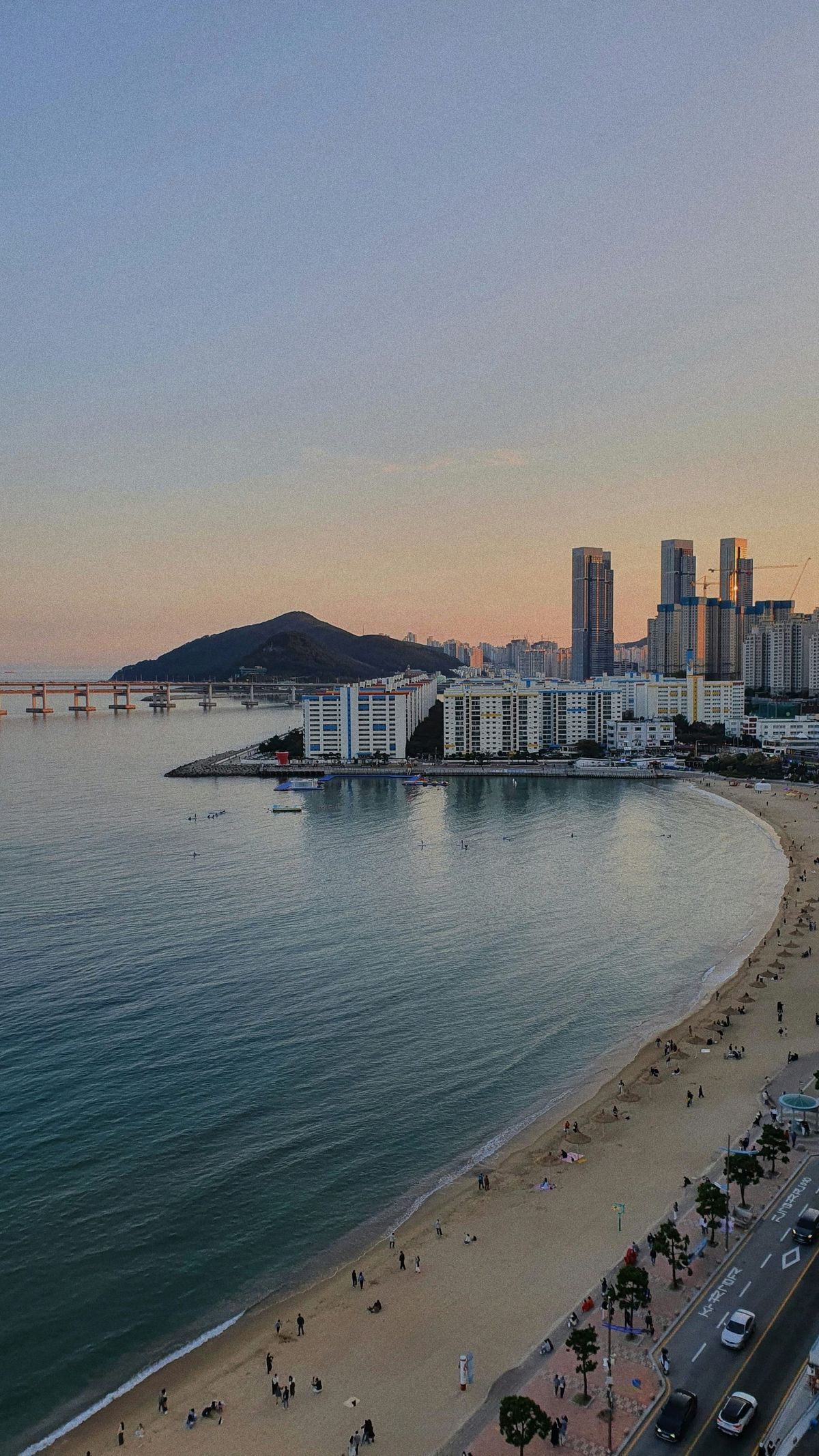
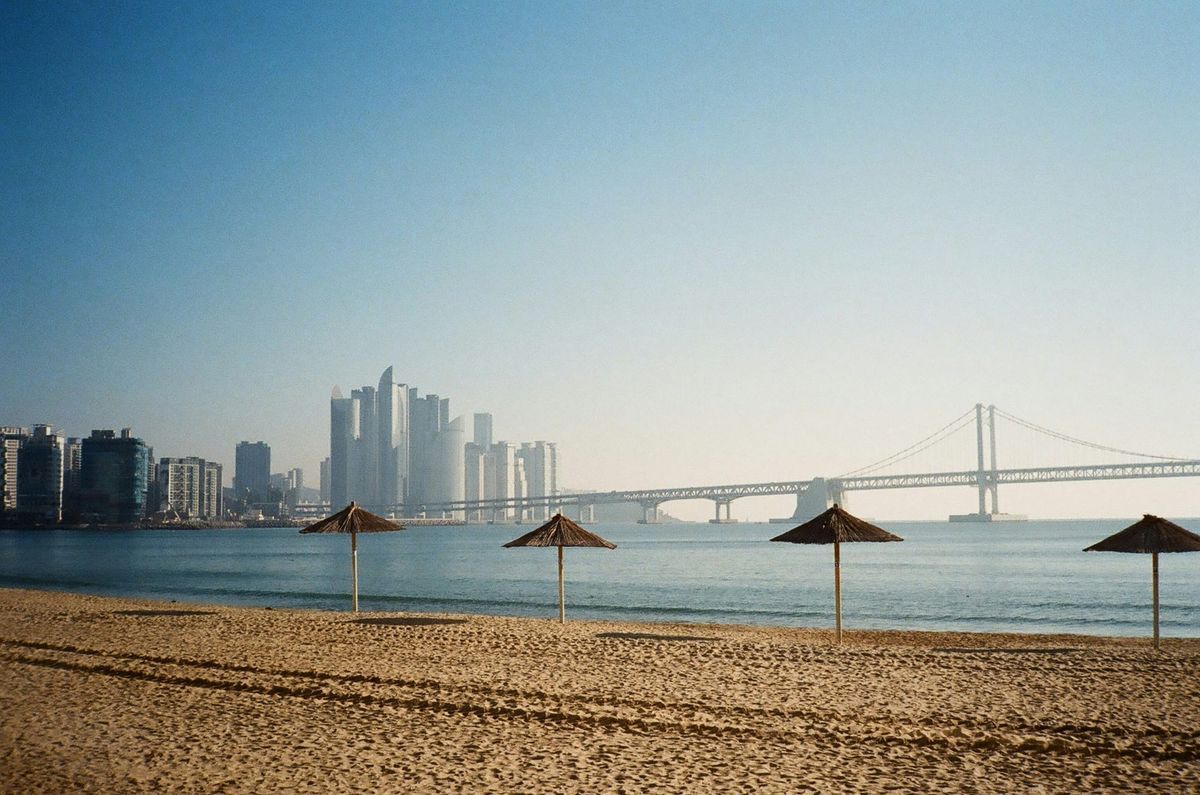
Busan's coastline stretches 266km. Over 60% of citizens live within 3km of the coast. Is the sea an asset or merely a backdrop for Busan?
Among the nation's top 100 companies, zero are headquartered in Busan. How do people work in a city without large corporations, and what kind of ecosystem does that create?
Over the past decade, 50,000 people in their 20s have left Busan. Rather than why they leave, who stays may be the more important question.
Busan will elect its next mayor in 17 days. Yet we only talk about who we're choosing, and rarely discuss what kind of Busan we're choosing.