SOUTH+BRIDGE

Startups

Startups

Nexon Commits 250 Billion Won to Early-Stage Game Companies
Startups

Nexon Commits 250 Billion Won to Early-Stage Game Companies

Nexon is establishing investment corporation Nexon Partners and will invest 250 billion won over five years in early-stage game developers alongside the Ministry of Culture, Sports and Tourism and Kona Venture Partners. This is the first large-scale public-private fund targeting the seed to Series A stage, where game startups are most vulnerable.

The Exit Fairy · Jul 17, 2026
Seed Money in a Conglomerate's Embrace
Startups

Seed Money in a Conglomerate's Embrace

Samsung C-Lab Outside's 9th cohort is once again drawing AI and robotics startups into its fold. The moment a founder accepts seed funding and infrastructure from a conglomerate, what exactly do they gain — and what do they silently give away? The two faces of the corporate accelerator ultimately circle back to the question of Korea's startup ecosystem's capacity for self-sustaining growth.

The Exit Fairy · Jun 17, 2026
Domestic AI: Who's Keeping Score?
Startups

Domestic AI: Who's Keeping Score?

Sovereign AI and 'AI top three' have risen to the level of national strategy, yet what they mean and how to measure them varies from person to person. What happens when the terminology outpaces the policy?

Transcript · Jun 17, 2026
Where Wrappers Go to Die
Startups

Where Wrappers Go to Die

The agent gold rush is cooling. The layers that evaporate above the model and the ones that survive are diverging. What must Korean startups build on top of American models to protect their margins? The problem is not the courage of founders — it is the coordinates of the ecosystem.

The Exit Fairy · Jun 15, 2026
The Ghost of the Five-Year Economic Development Plan
Startups

The Ghost of the Five-Year Economic Development Plan

An industry built on connecting each other's strengths — seed money of 200 million won each for more than ten domestic fabless startups… AI [data centers] that prioritize the use of domestically made chips…

Dark Salad · Jun 12, 2026
The Field Asks First: How Far Can AI Go?
Startups

The Field Asks First: How Far Can AI Go?

When you follow the trail from a fragrance warehouse and a Seongdong-gu café to a survey of small factories, it becomes clear that generative AI is not an 'adoption' question for Korea's small-business owners and SME manufacturers — it is a question of 'what works and where does it breaks.' Bank of Korea data puts those boundaries into numbers.

After Hours · Jun 7, 2026
Only the Survivors Get to IPO
Startups

Only the Survivors Get to IPO

Reading the 2026 IPO rebound as recovery would be a mistake. Statistics only capture companies that survived, while those that quietly died have been erased from the denominator. Down rounds haven't ended—only companies that could withstand down rounds remain on stage.

Fed Watch · Jun 6, 2026
Wrappers Ate the Entry Point
Startups

Wrappers Ate the Entry Point

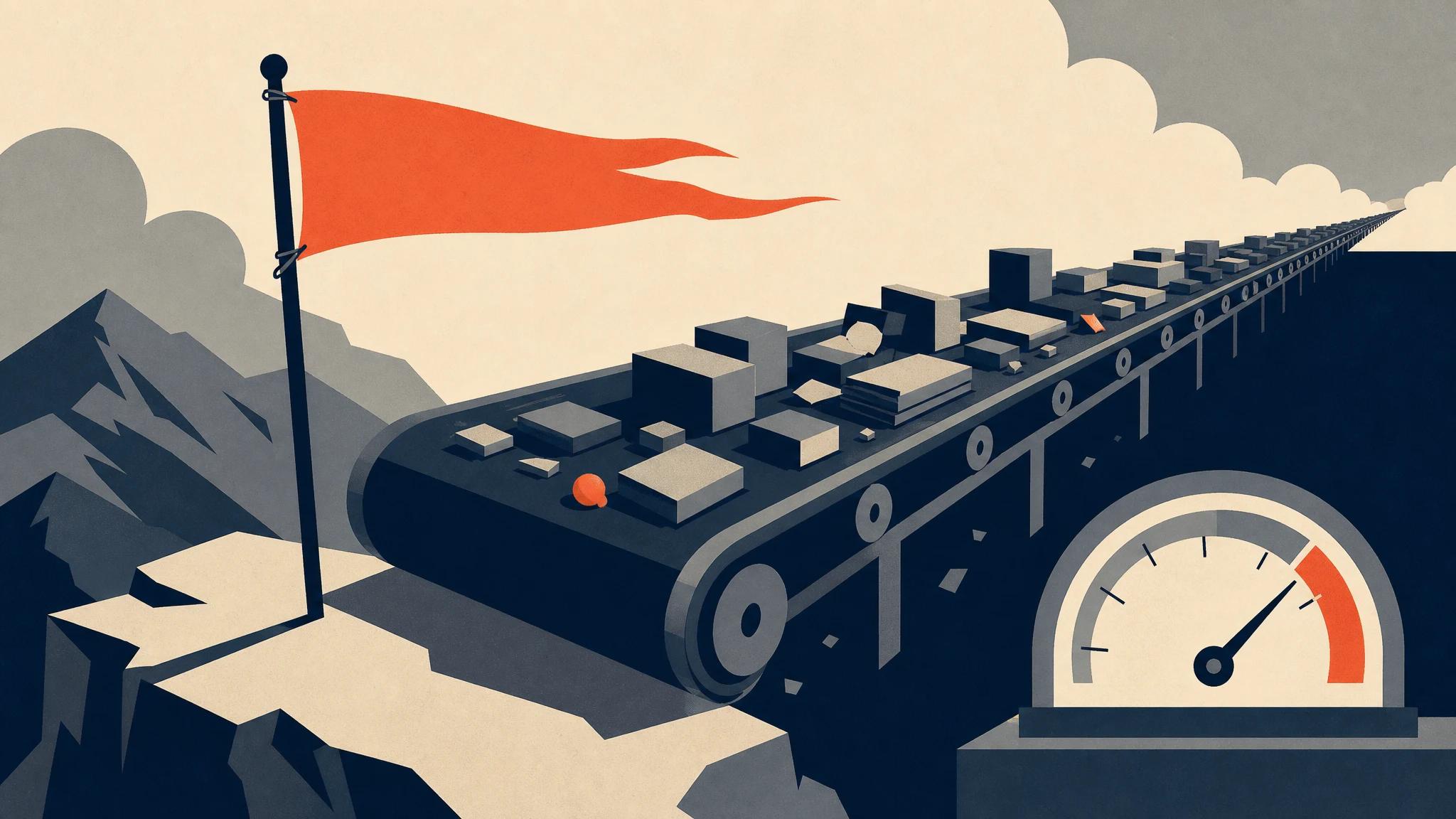
The 2024 consensus that 'thin wrappers die' was reading the value chain backwards. Margins flow not to models but to those who control entry points and workflows. Which layer Korean companies stand on will determine the next cost structure.

Valley · Jun 6, 2026
The Illusion That Global Means America
Startups

The Illusion That Global Means America

Korean startups have begun choosing Japan and Southeast Asia as their first overseas markets. This is not a retreat, but a structural shift in the order of expansion. The problem lies not with founders, but with an ecosystem still holding onto outdated maps.

The Exit Fairy · Jun 6, 2026
Seed Rounds Are Dead, Only the Ladder Remains
Startups

Seed Rounds Are Dead, Only the Ladder Remains

As AI drives up capital efficiency for solo founders, the seed round is evaporating entirely. It's not the price that's collapsing—it's the structure of the fundraising market itself. The lessons taught by digital assets are repeating themselves.

The Won Line · Jun 6, 2026
When the State Becomes an LP
Startups

When the State Becomes an LP

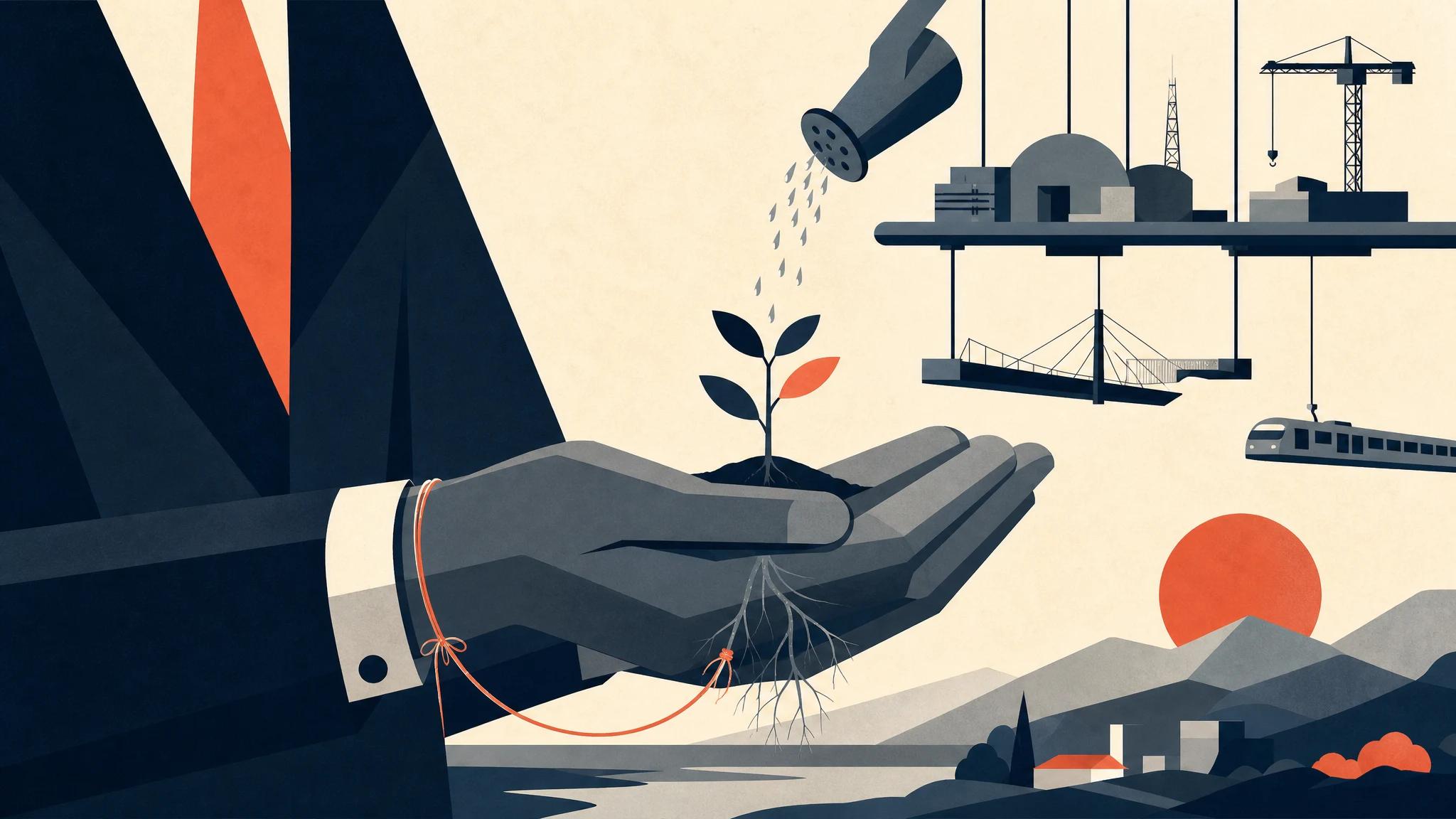
The Fund of Funds is the invisible backbone of Korea's startup ecosystem. But the moment the state becomes an investor providing capital, that money both reads and rewrites market signals. Have we ever defined this duality in institutional language?

Transcript · Jun 6, 2026
Code Is Free, the Moat Is Private
Startups

Code Is Free, the Moat Is Private

Open source began as a shared industrial commons, but through license wars, it has solidified into a new moat of trust and operations. Is Korea a country that borrows this infrastructure, or one that builds it?

The Veteran · Jun 6, 2026
Agents Are Swallowing SaaS
Startups

Agents Are Swallowing SaaS

Software once sold per seat is now shifting to per-outcome pricing. When the era of humans viewing screens ends, the very unit of billing changes.

Ampersand · Jun 6, 2026
The Hidden Census Behind a Solo Hundred-Billion-Won Business
Startups

The Hidden Census Behind a Solo Hundred-Billion-Won Business

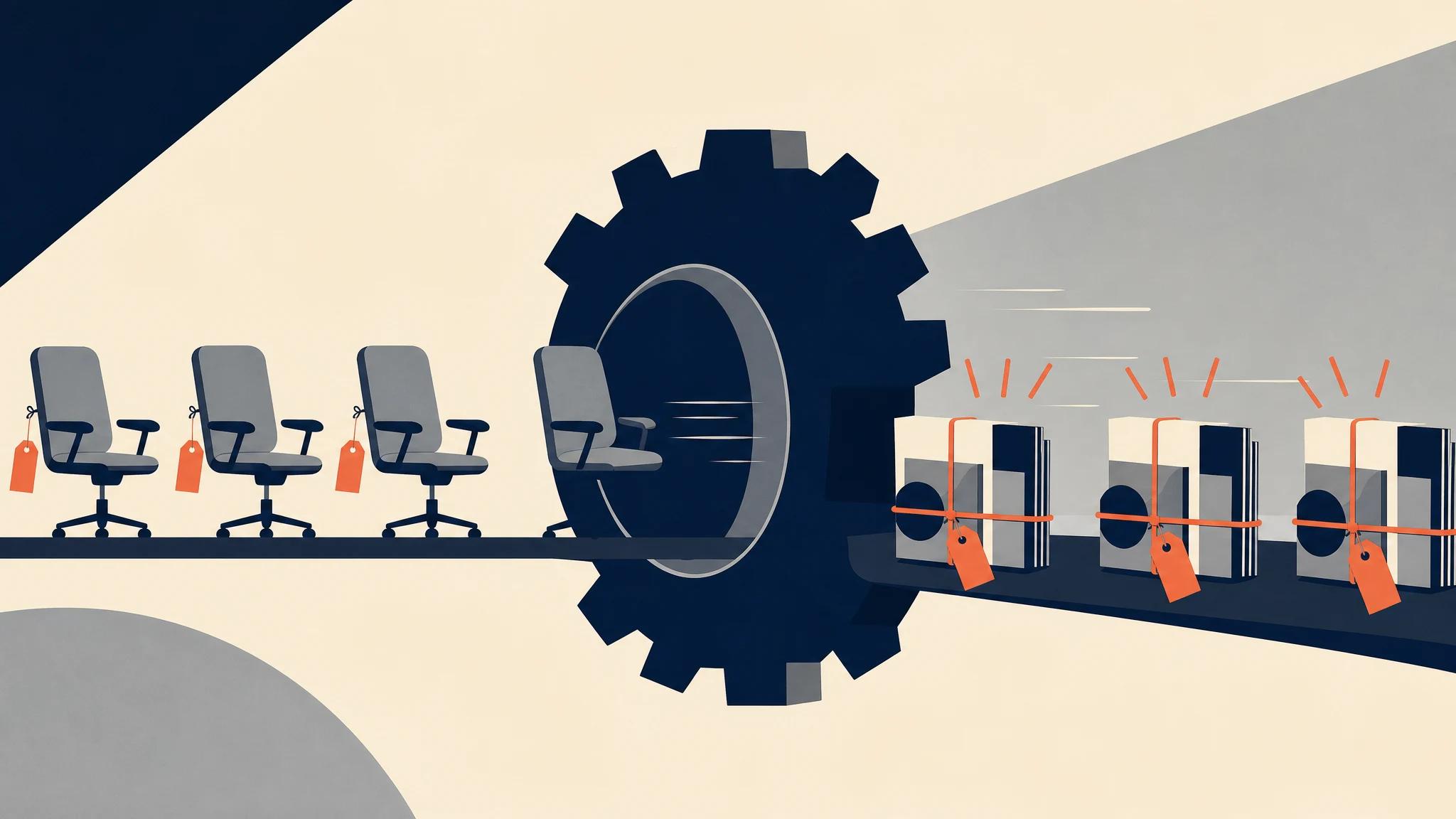
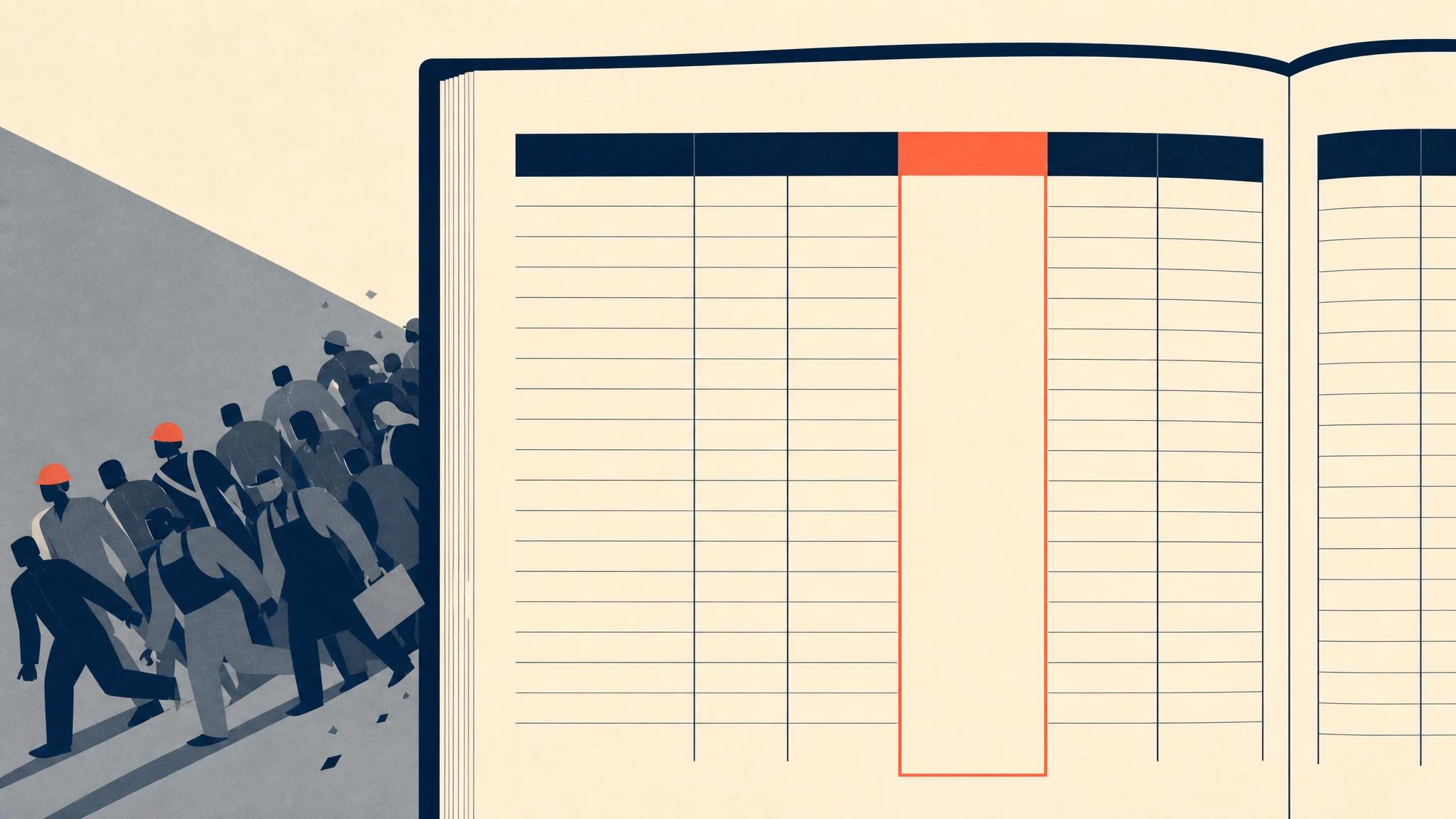
The narrative of 'a hundred billion won in solo revenue with AI' claims to have eliminated employees. But in reality, it has merely moved employees outside the accounting books. What has disappeared is not labor, but the name of labor.

Chiaroscuro · Jun 6, 2026
Companies Where Users Become Shareholders
Startups

Companies Where Users Become Shareholders

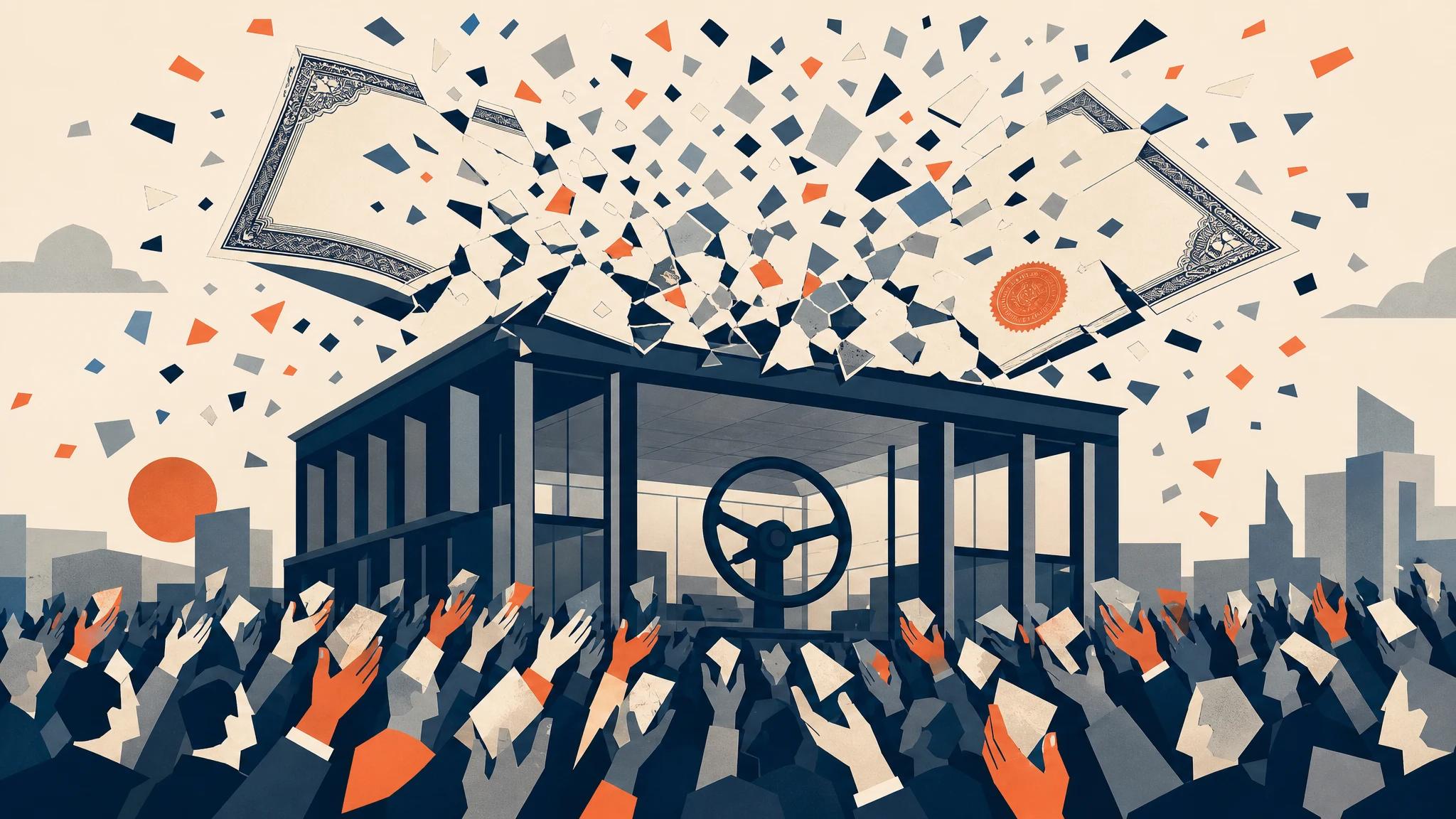
Startups raising capital and users simultaneously with tokens and points instead of equity are on the rise. The real question isn't the coin price, but who governs a company whose equity is distributed to users and how.

Between 0 and 1 · Jun 6, 2026
There Is No Second Employee
Startups

There Is No Second Employee

The real enemy of youth startups in Busan is not lack of capital. Founders somehow manage to hire their first employee. Companies collapse at the second hire. And the people who could fill that position have already boarded the KTX to Seoul.

After Hours · Jun 6, 2026
When a Wishlist Becomes a Graveyard
Startups

When a Wishlist Becomes a Graveyard

Korean indie developers launching without publishers in 2026 battle not against graphics, but against invisible accounting: refund timers and discount cycles. Break-even points are determined not by download counts, but by friction in design.

1UP · Jun 6, 2026
Why Deep Tech Is Delayed in Korea
Startups

Why Deep Tech Is Delayed in Korea

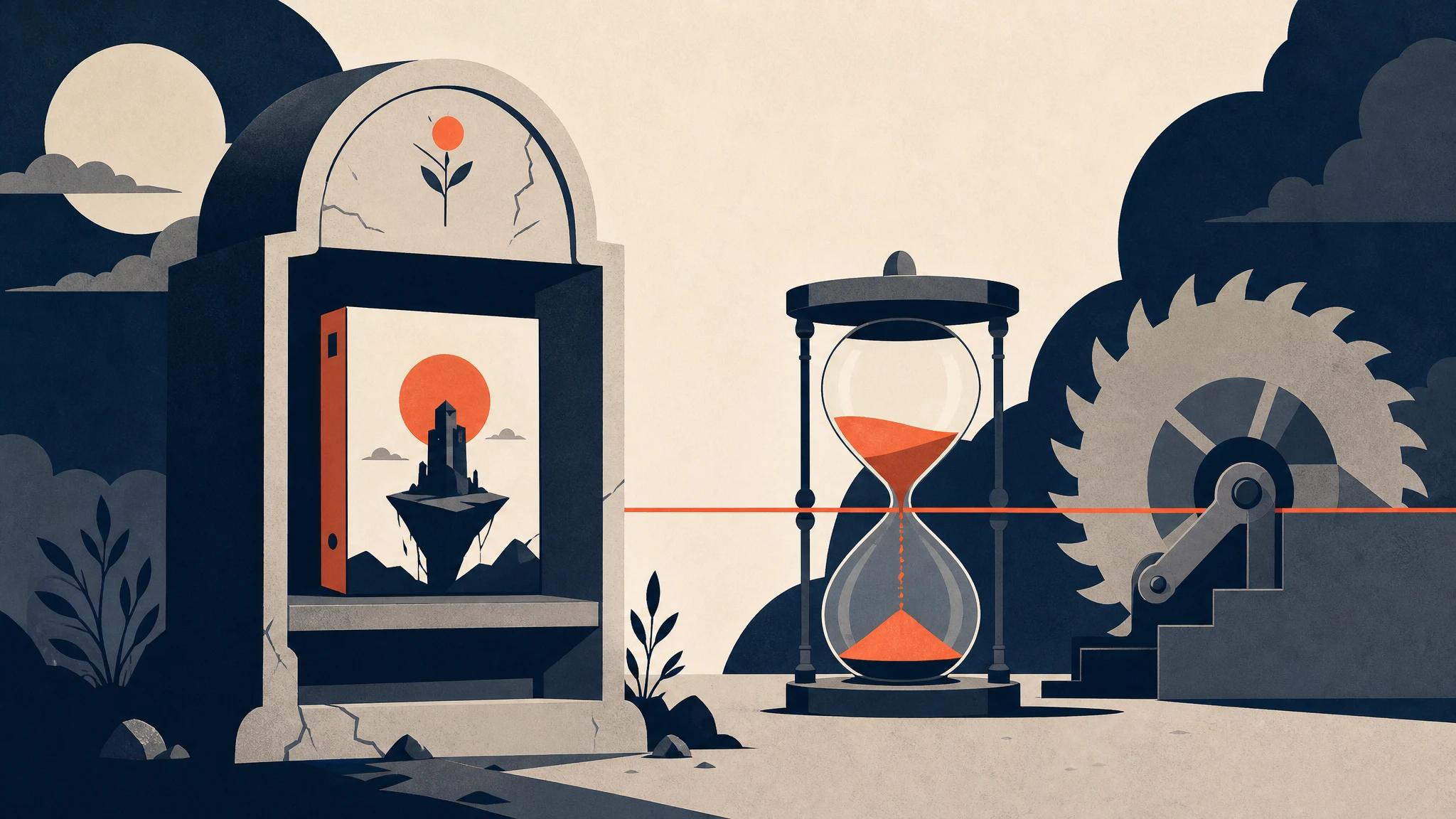
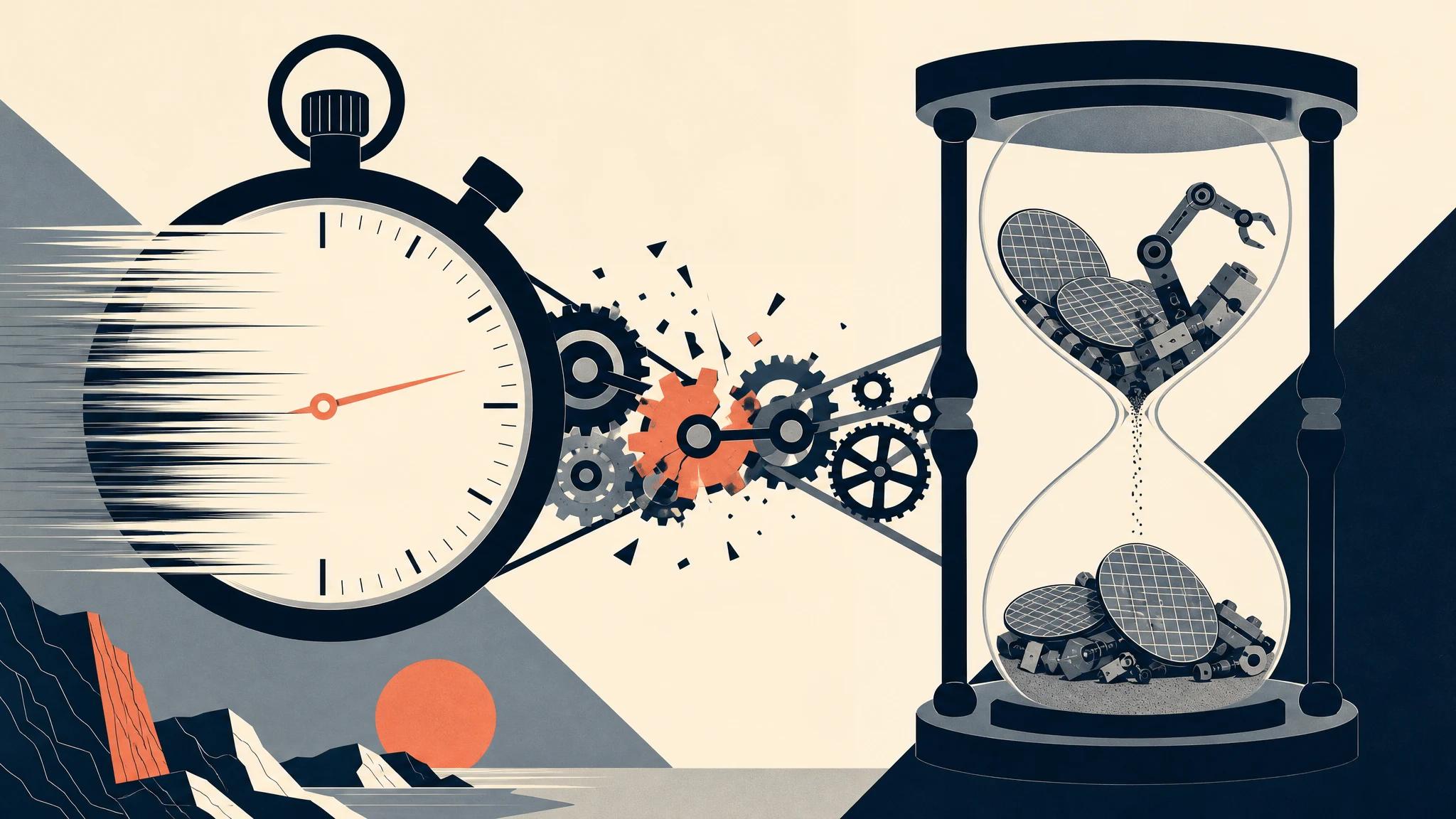
A capital structure that measures semiconductor materials and robotics by software timelines. Reading the mismatch between capital recovery periods and technology maturity through the time units of industrial accumulation.

The Veteran · Jun 6, 2026
Go Public or Die
Startups

Go Public or Die

In a country where large corporations don't acquire startups, IPO is the only exit. We examine how that single narrow gate quietly makes founders more conservative in their risk-taking, from an ecosystem structure perspective.

The Exit Fairy · Jun 6, 2026
The Funeral of Growth Hacking
Startups

The Funeral of Growth Hacking

In 2026, the era of buying channels to achieve growth has ended. As Big Tech drives up acquisition costs and AI churns out infinite content, the center of gravity in growth is shifting from acquisition to retention, from channels to product. This shift is restructuring the cost base of Korean startups.

Valley · Jun 6, 2026
Dollars Flow as Code
Startups

Dollars Flow as Code

Stablecoins are not new technology but a new plumbing for dollar liquidity. What do Korean remittance and commerce startups gain and lose on this rail opened by regulation?

Fed Watch · Jun 6, 2026
Mental Health Should Be the Boss's Burden Too
Startups

Mental Health Should Be the Boss's Burden Too

The moment burnout is translated into an individual's resilience problem, structural failure is written off as one entrepreneur's weakness. Who designed this ledger?

Chiaroscuro · Jun 6, 2026
Verification Is the Next Infrastructure
Startups

Verification Is the Next Infrastructure

Companies that grade models are occupying a deeper position than companies that build models. The moment trust becomes a bottleneck, evaluation becomes not a tool but an industry.

Ampersand · Jun 6, 2026
Who Holds the Points?
Startups

Who Holds the Points?

Reading the offerwall and reward app-tech market solely through user numbers or ad rates misses the core issue. The real point of contention in this market lies in whether issued points are debt, who holds those balances, and who guarantees their value. The structural questions that once confronted the virtual asset market are now directly facing Korea's reward economy.

The Won Line · Jun 6, 2026
Why Copying Y Combinator Leads to Failure
Startups

Why Copying Y Combinator Leads to Failure

Korean founders who directly import Silicon Valley playbooks fail differently with the same strategies. The problem isn't the strategy—it's that we copy the answers without translating the questions.

Over the Wall · Jun 6, 2026
Launch Day Is Day Zero
Startups

Launch Day Is Day Zero

Live ops studios operate a single game forever. That model converts the risk of game entrepreneurship into endless operating costs. Eternal operation means eternal design debt.

1UP · Jun 6, 2026
Cheap Cities Are Replicated
Startups

Cheap Cities Are Replicated

The vocabulary Busan uses to attract global talent consists of rent, settlement conditions, and quality of life. These are all the grammar of the catch-up era, calling people with costs. But costs can be replicated anywhere, while the depth of trial and error accumulated in one region cannot be replicated.

The Veteran · Jun 6, 2026