AI Luminaries Gather at Hashed in Gangnam
ICML 2026 Seoul opening reception: 100 researchers from Anthropic, DeepMind, and OpenAI gathered at Hashed Lounge in Gangnam. An evening that revealed Hashed's expanded stride from crypto to AI.
AI
ICML 2026 Seoul opening reception: 100 researchers from Anthropic, DeepMind, and OpenAI gathered at Hashed Lounge in Gangnam. An evening that revealed Hashed's expanded stride from crypto to AI.

Discard the advice to 'use AI well.' The advantage tools provide lasts only six months. When production costs converge to zero, only judgment and distribution remain as bottlenecks. What's most cutting-edge becomes obsolete the fastest.
In an era where AI writes all the code, will 'the ability to understand and verify principles' remain a developer's moat? I don't think so. It's a moat that will disappear when the meta changes. So what should we cultivate? In Busan, they call it 'aesal.'
It wasn't a theory lecture or a tool promotion. From drug development to an elementary student's AI video, a night when Busan people showcased how they actually use AI in their own ways. The scene from SOUTH BRIDGE and Genspark's 'HOW I USE AI.'
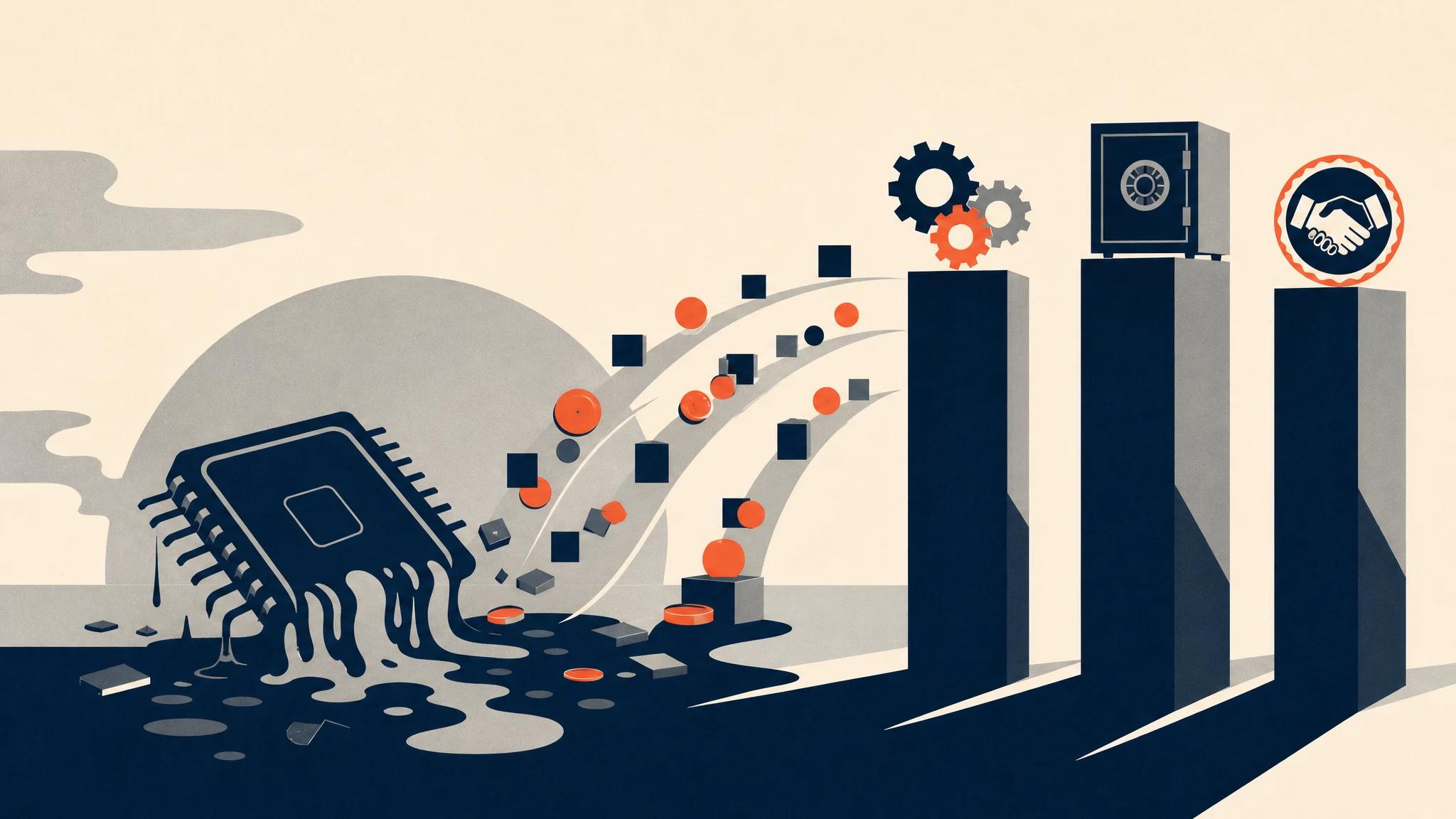
In June 2026, the semiconductor bottleneck shifted from HBM to advanced packaging and substrates. Money flows not to where chips are made best, but to where chips are bonded best. In an era of capital costs, scarcity is being redefined.
Autonomous software pays and executes. When it makes a wrong decision, accountability reaches neither the user, nor the provider, nor the model cleanly. Convenience creates a vacuum of responsibility.
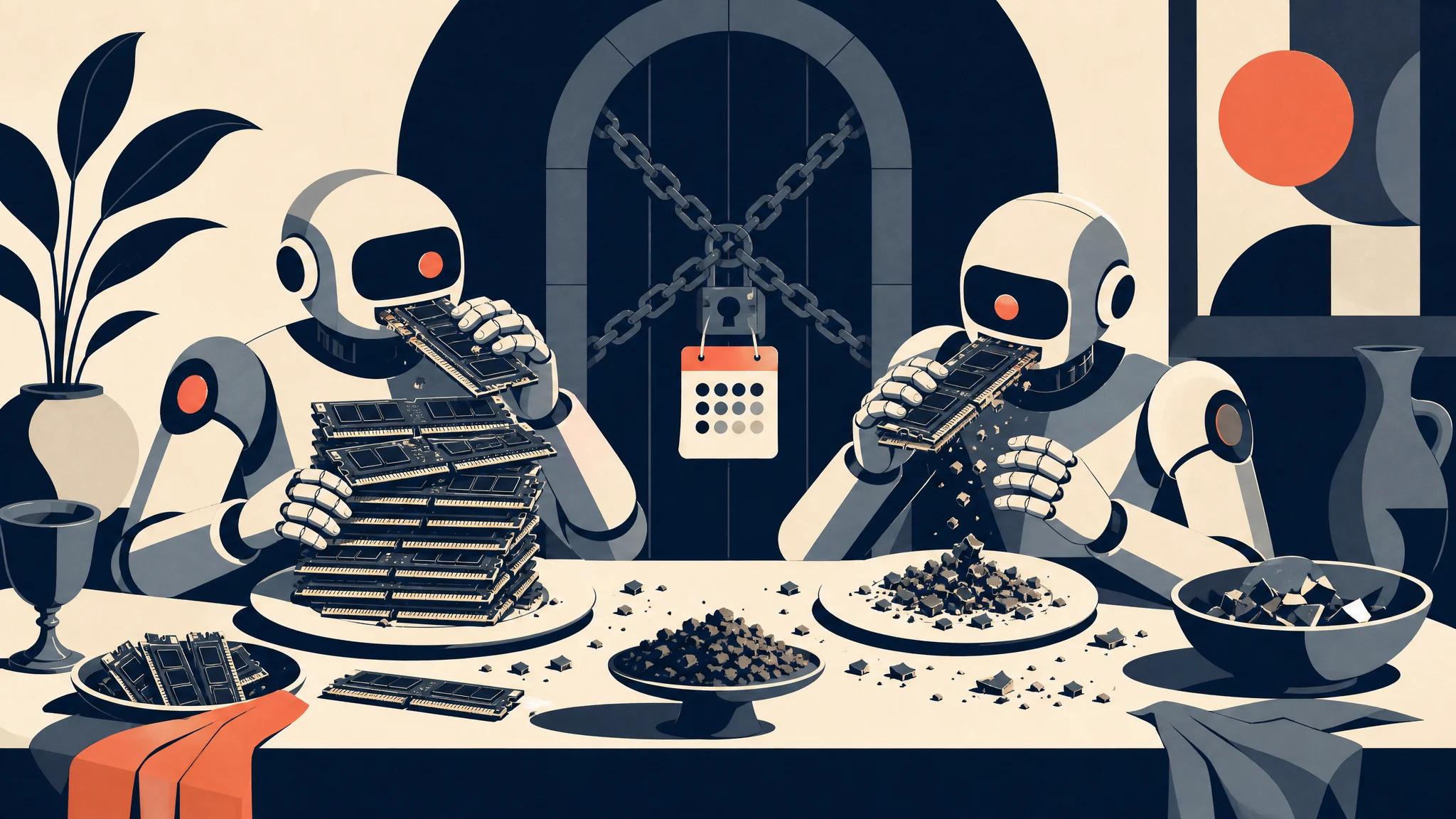
In the 2026 AI race, the decisive factor isn't model benchmarks — it's a single DRAM module. Agents have started consuming memory whole, and capacity expansion is blocked until Q1 2027. Why holding the world's best memory doesn't automatically give Korea an AI edge.

In 2026, models train on human output to teach humans. Anger is easy. The harder question is what still remains outside the model.
"I couldn't care less what Jensen Huang does. I'm too busy just trying to get by... ...Exporting technology to Germany since 2019... But in the domestic market...
Export controls on Fable 5 and Mythos 5 enforced — including foreign-national Anthropic employees. 'We believe this is a misunderstanding and are working to restore access as quickly as possible.'
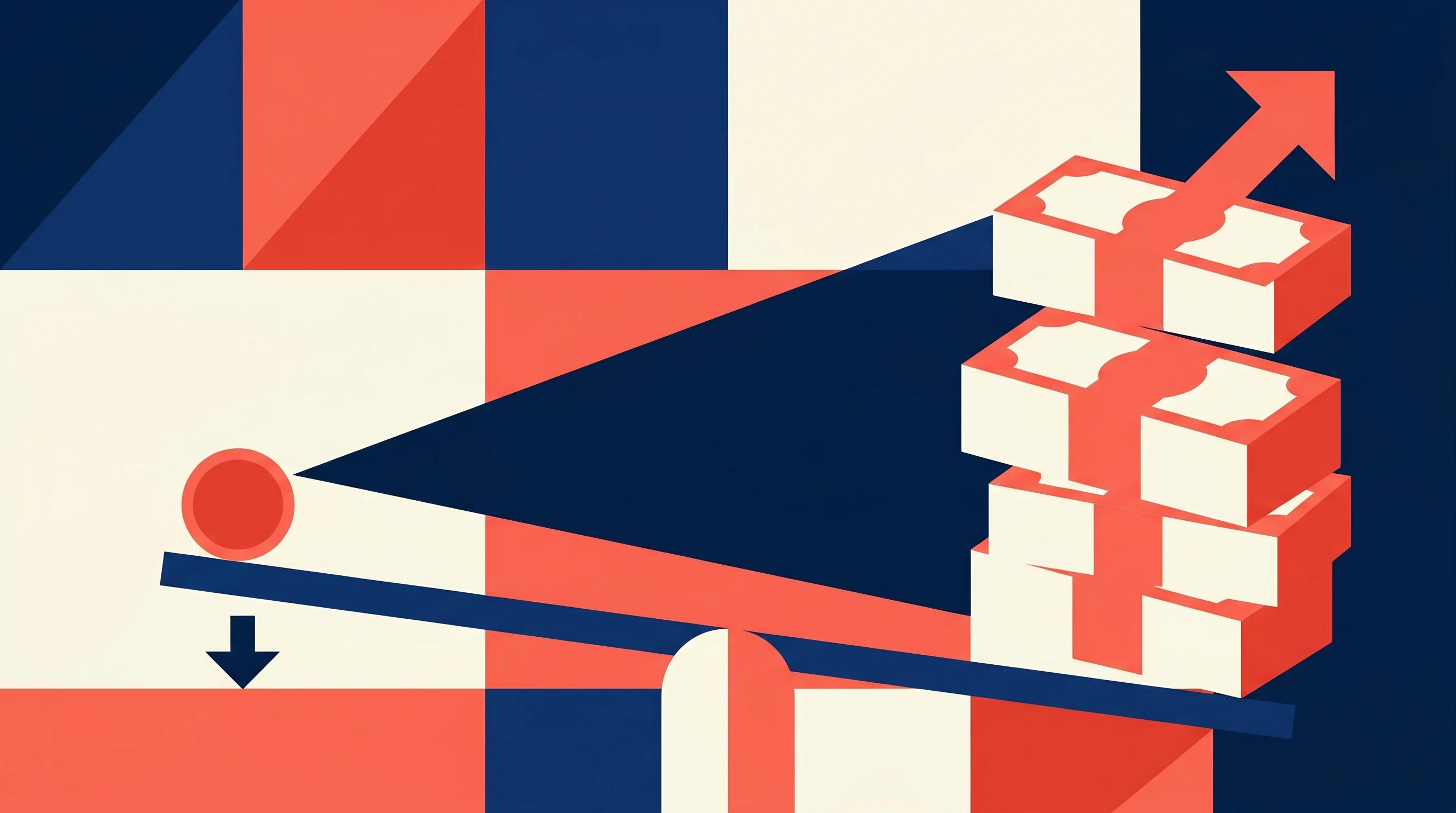
Tests of Anthropic and OpenAI subscription plans reveal that the $200/month tier can deliver up to $14,000 worth of token usage at API prices — a 70x multiplier.
In Silicon Valley, the per-call cost of a model is being cut in half every quarter. This is not news about things getting cheaper. It is a signal that as prices approach zero, money is leaving the model and migrating to workflows, data, and trust. The question is: what will Korean SaaS build on top of the model?
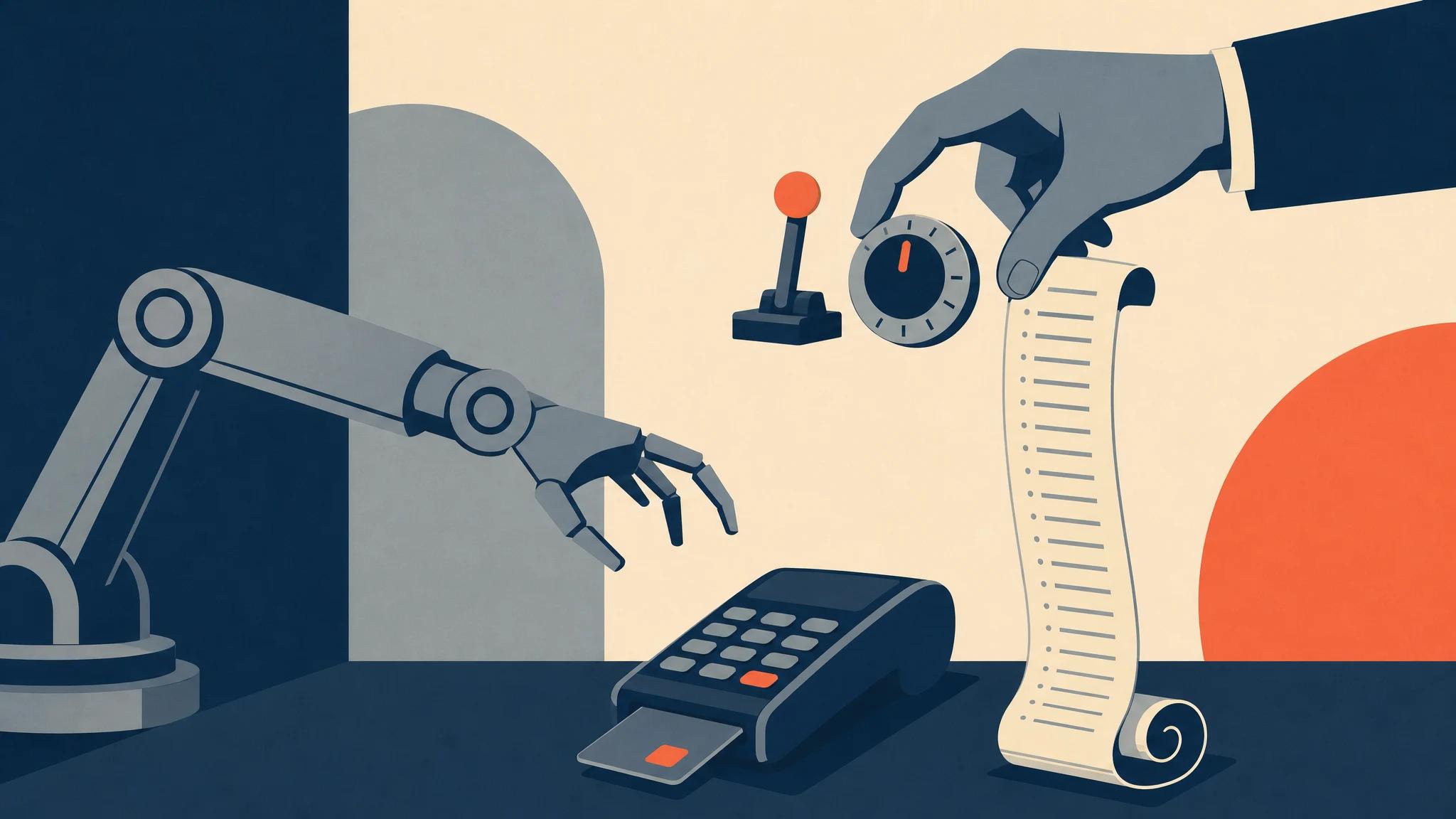
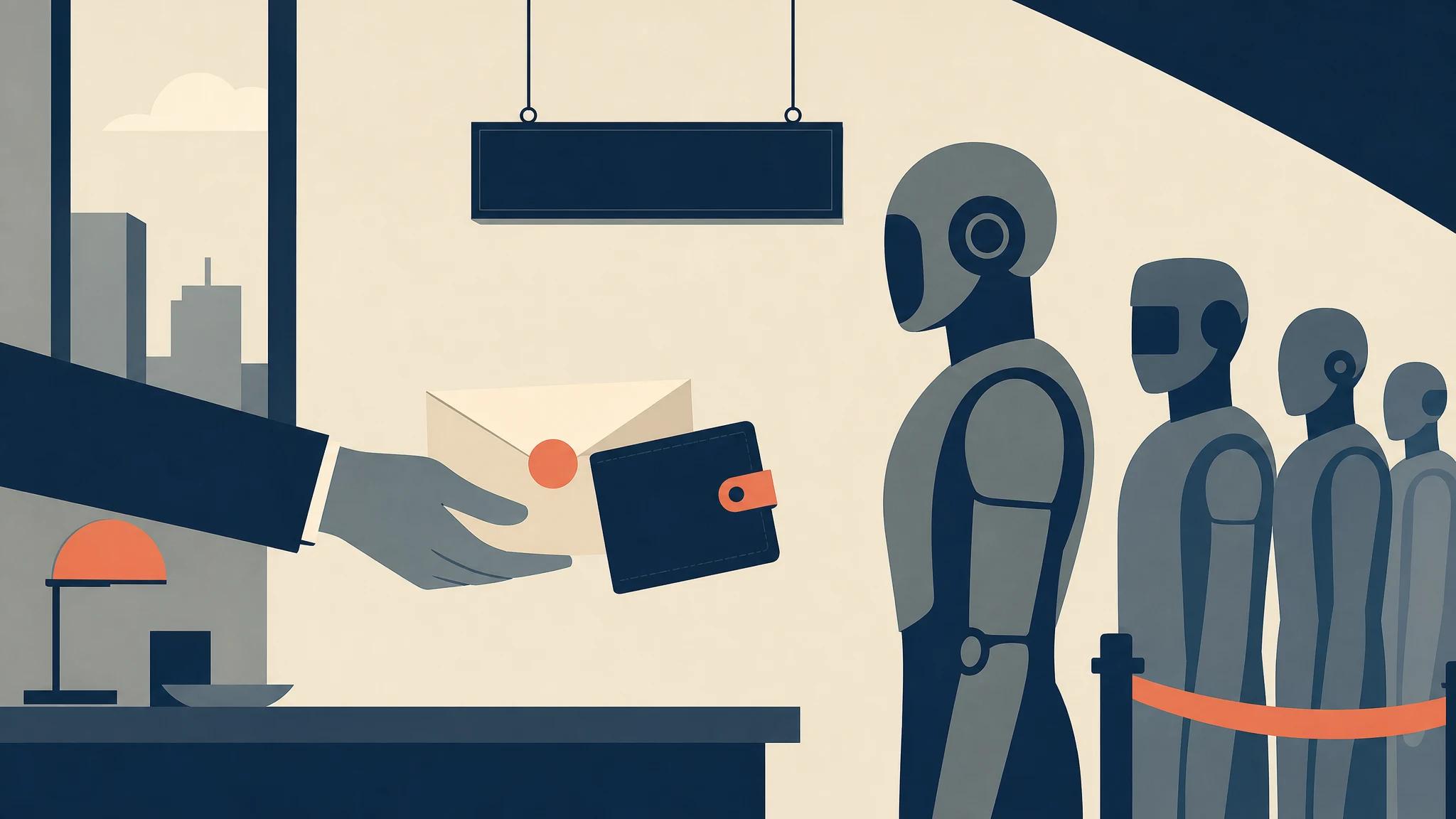
When AI agents start swiping cards, the real question isn't model performance. It's who delegates the authority and who bears the responsibility. Veto rights, spending limits, and audit logs become the primary components of the next payment rail.
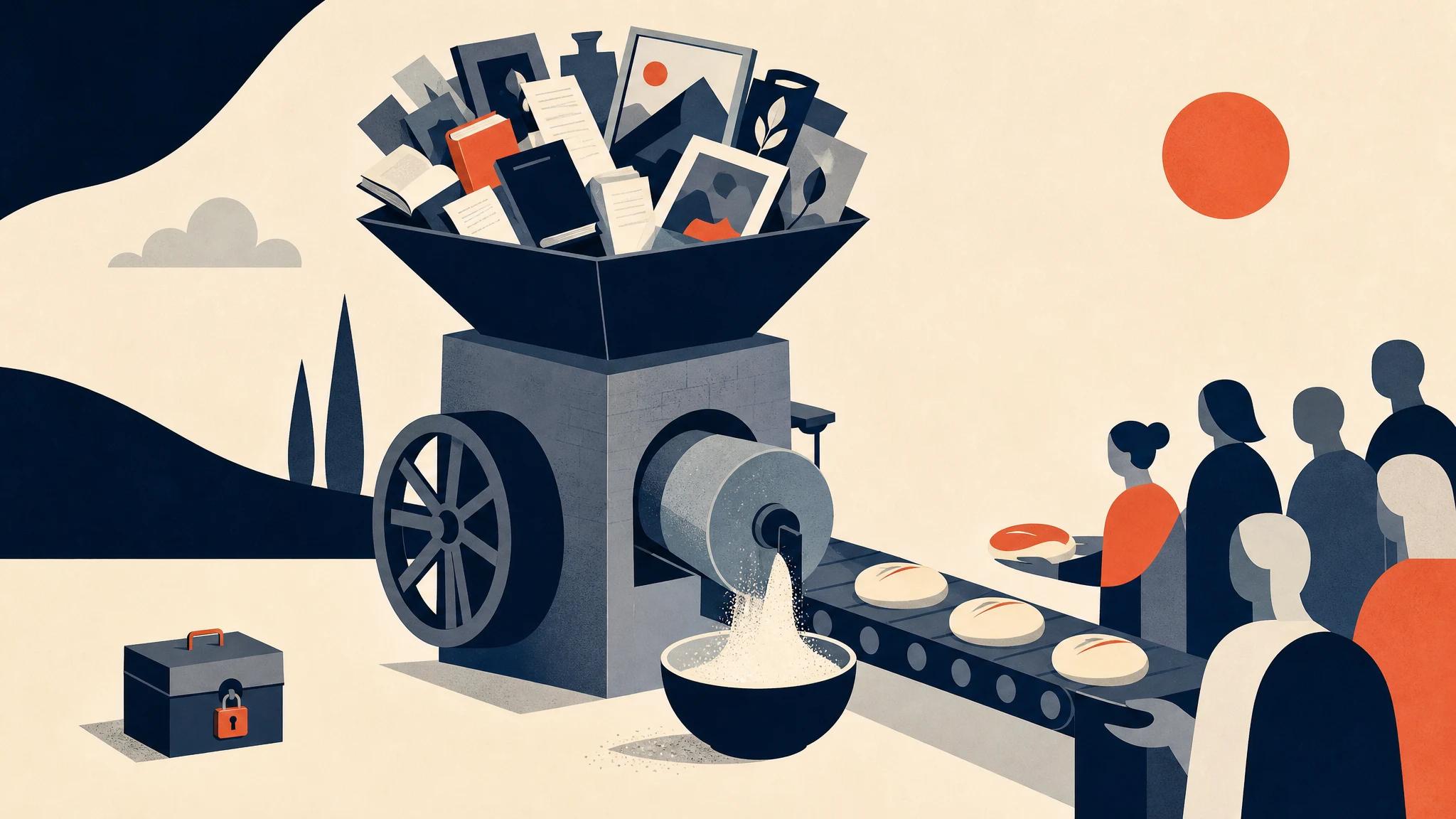
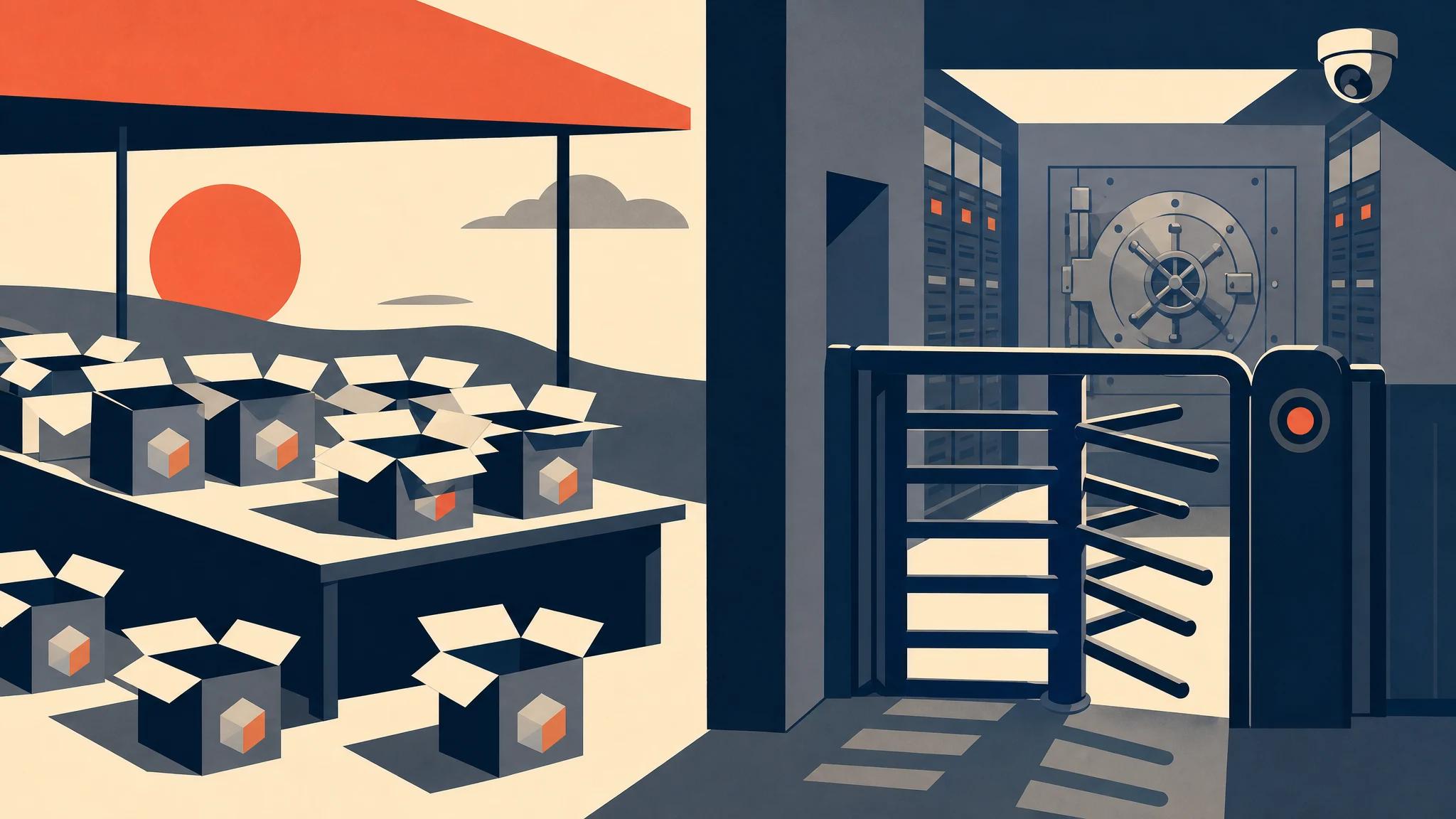
As open-weight models flood the market, weights have become a common commodity. Competitive advantage has shifted to proprietary data and feedback loops, now transformed into rental assets. We examine why Korean companies' closed-domain data is the real moat.
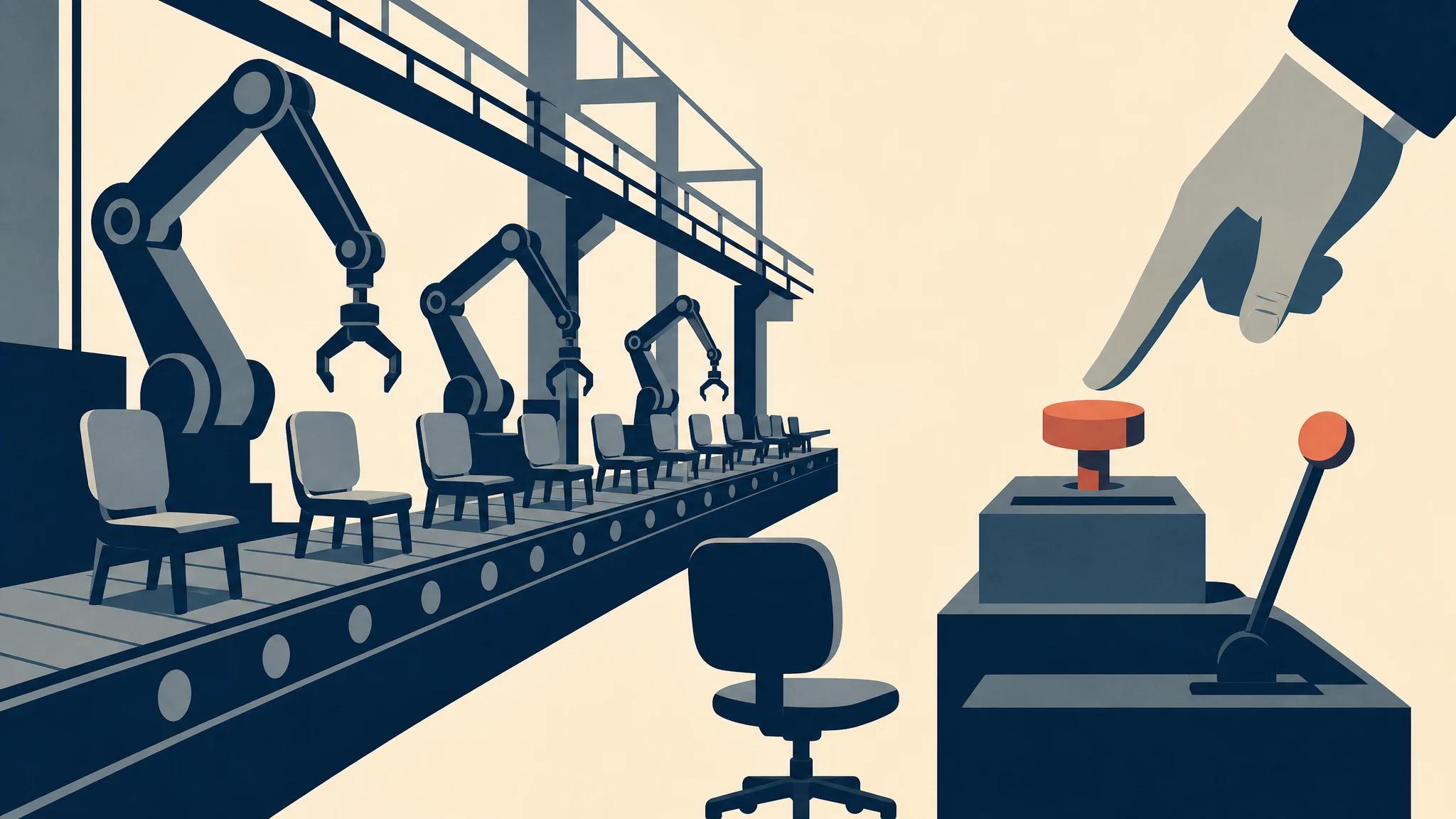
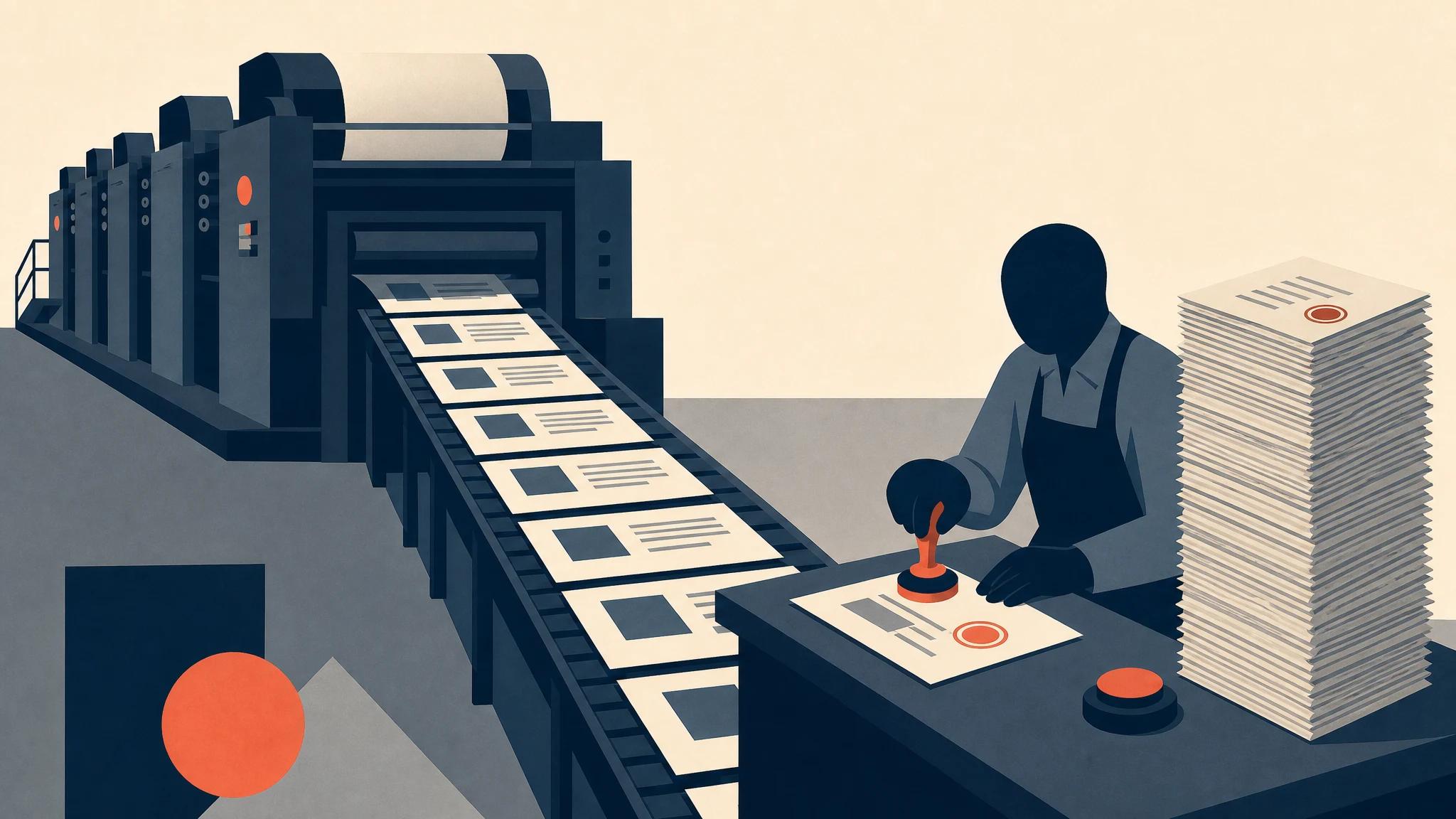
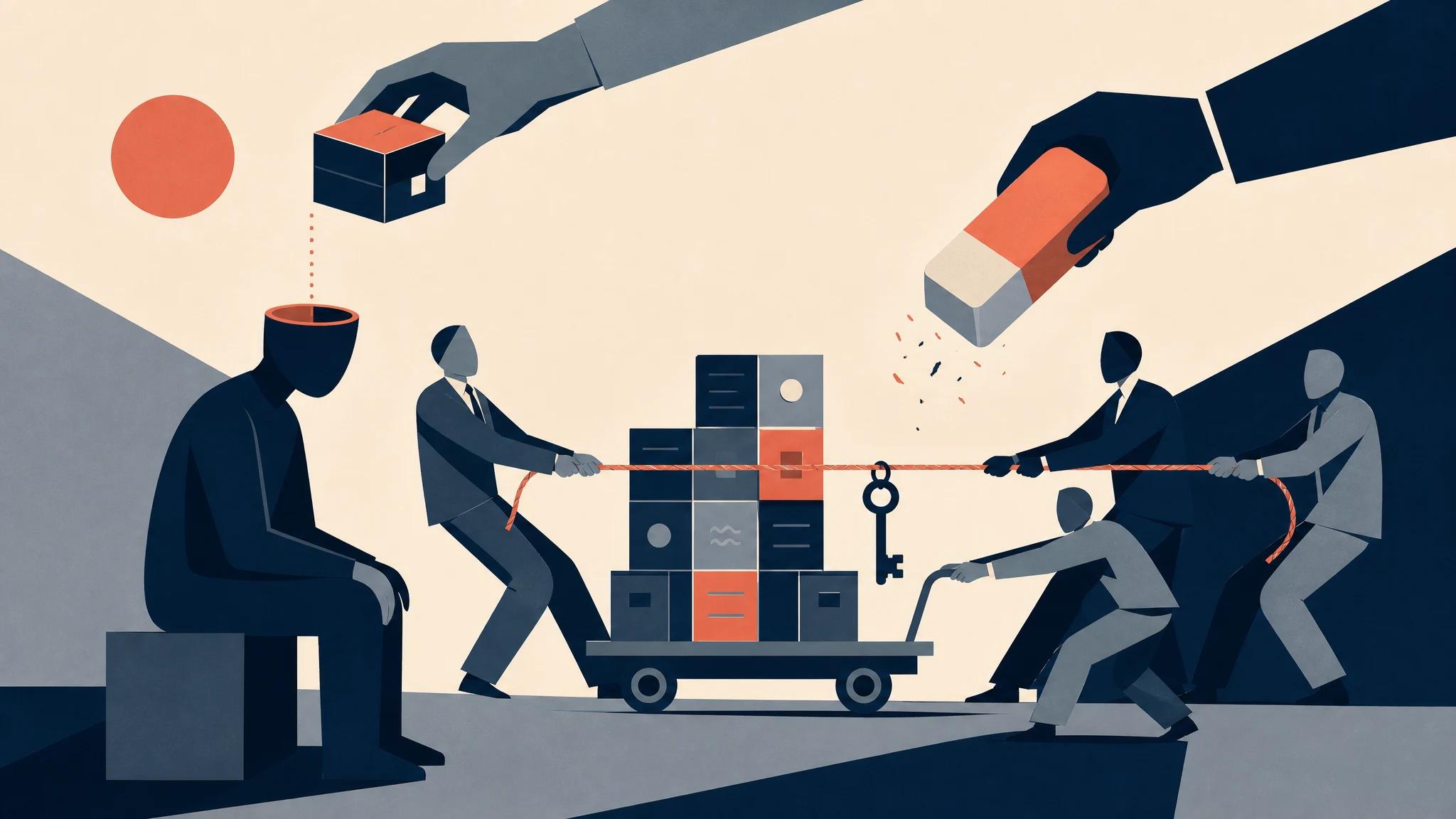
The real power of automation lies not in 'do' but in 'don't.' The moment a human presses the final button as a rubber stamp, accountability belongs to no one.
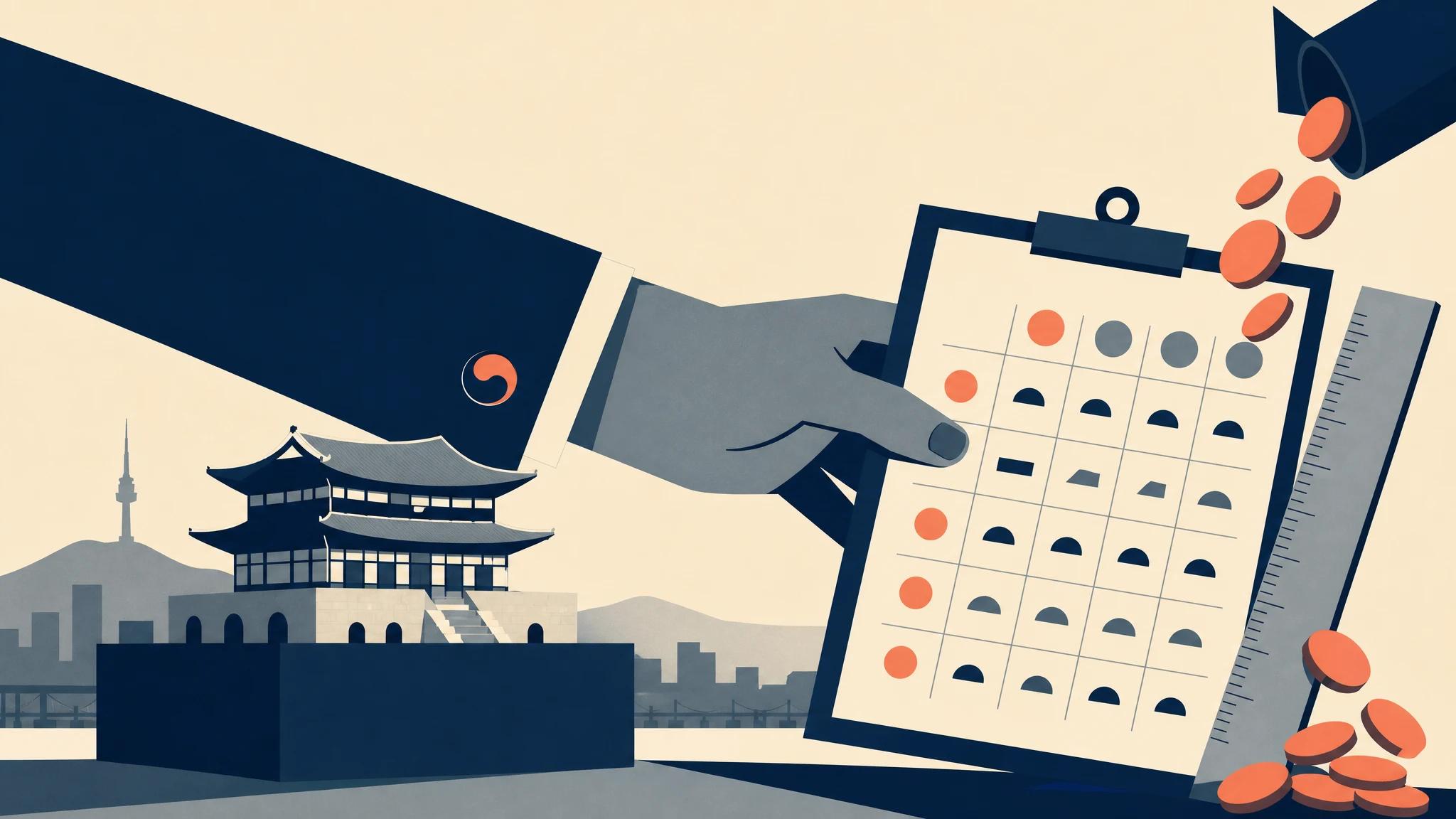
The sovereign AI debate is consumed as though building a single homegrown model settles the matter. What actually demands scrutiny is which of the three—data, compute, or evaluation—the state truly controls. Subsidies should flow to scorecards, not models.
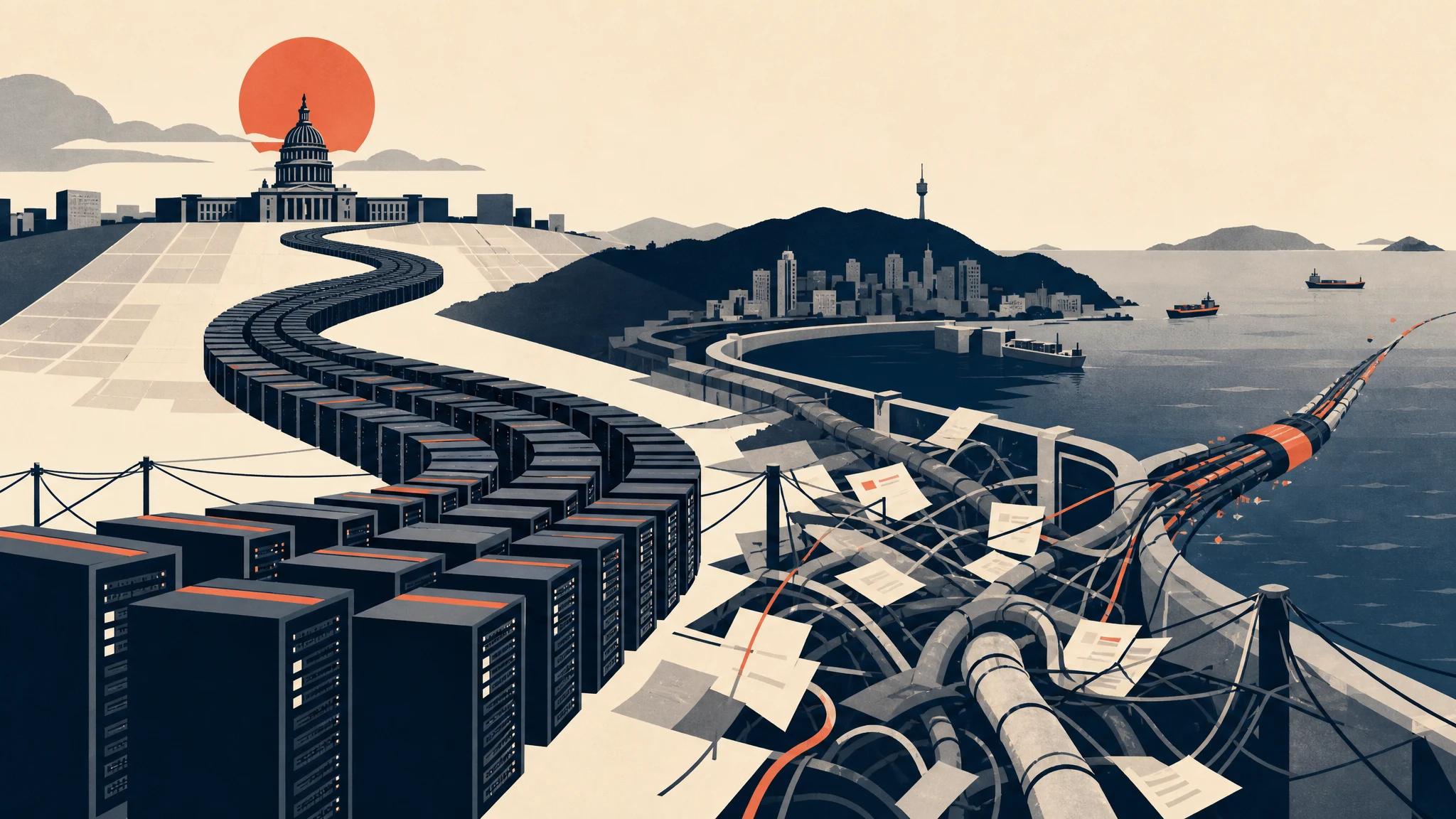
AI computation infrastructure flowing to the Seoul metropolitan area and abroad is not a technical problem. It is a question of who can translate the physical bottlenecks of power, cooling, and submarine cables into the language of policy. What blocks Busan's dormant assets is not technology — it is the absence of a language to name them.
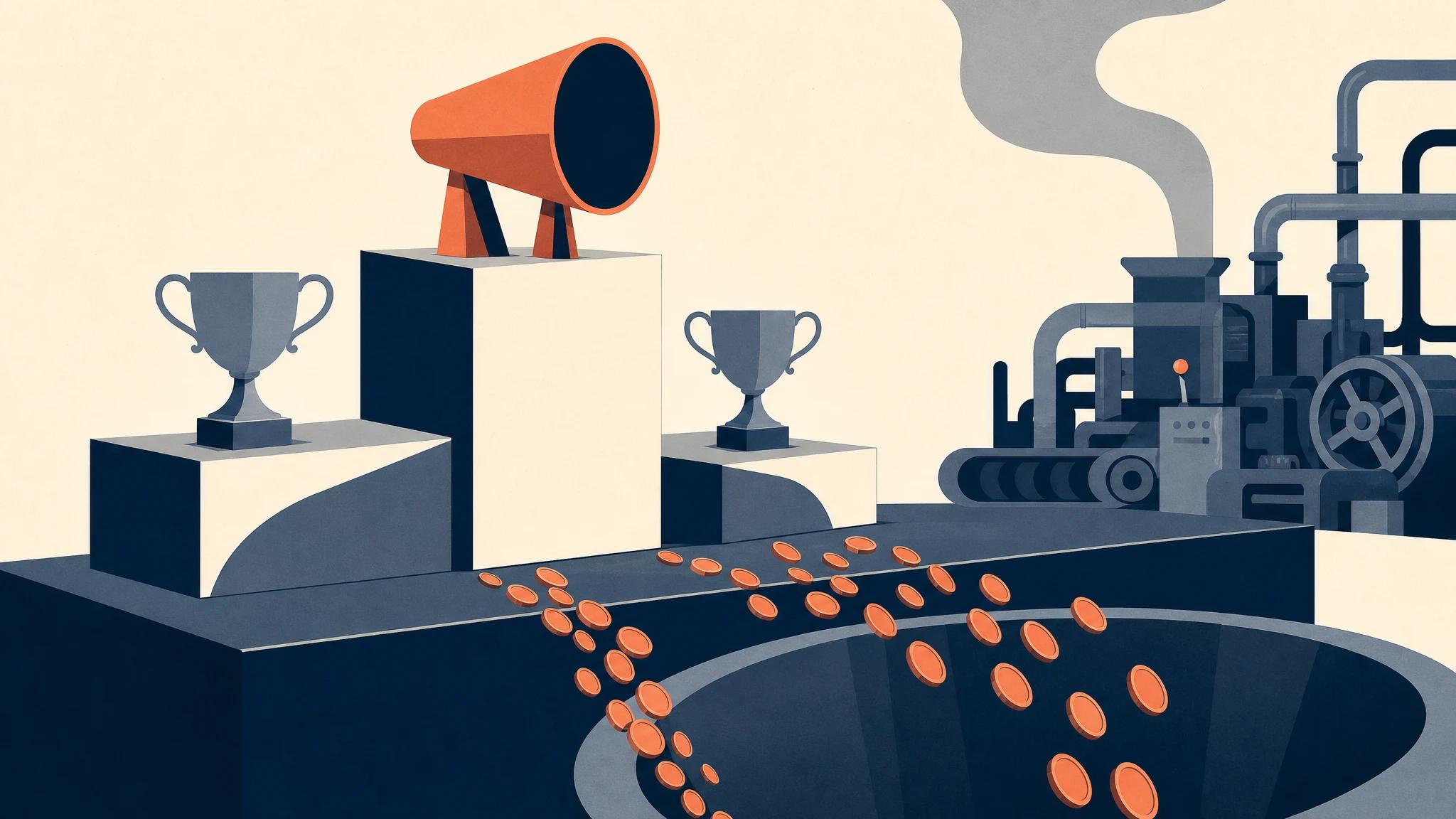
Topping the leaderboard is no longer proof of capability — it is a product of marketing. When measurement is corrupted, capital flows in the wrong direction. Why Korean adopters need to redesign their PoC frameworks.
In an age when AI churns out text without limit, the real bill is not what it costs to stop fakes. It is the labor of proving that something genuine is genuine. Who absorbs this verification tax will draw the new power map of the information environment.
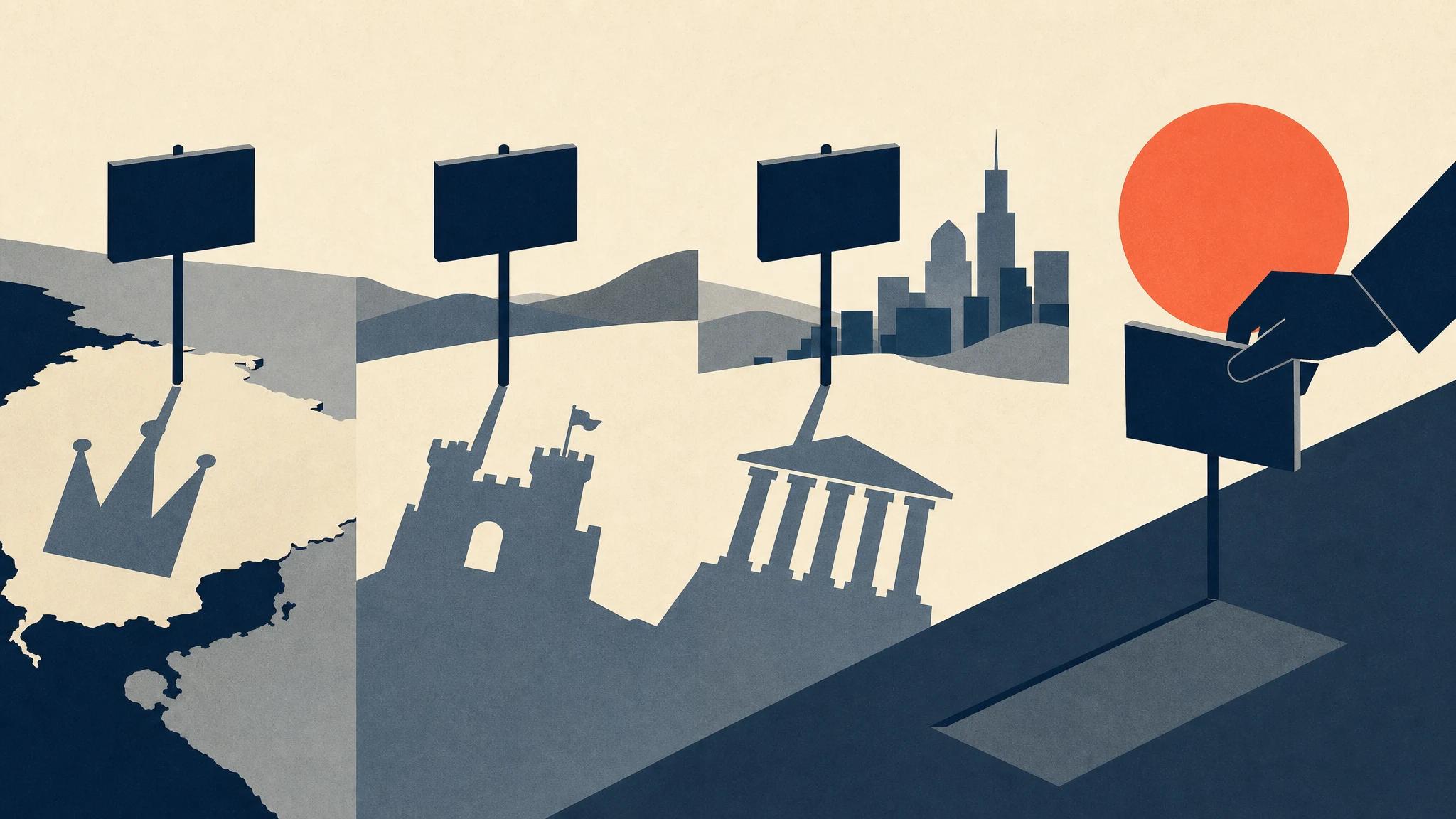
The EU, the United States, and China all speak of 'safety' and 'transparency.' But in each system, those words point to entirely different forms of power. Korea imports regulations while copying only the words, without translating the power structures that lie behind them.
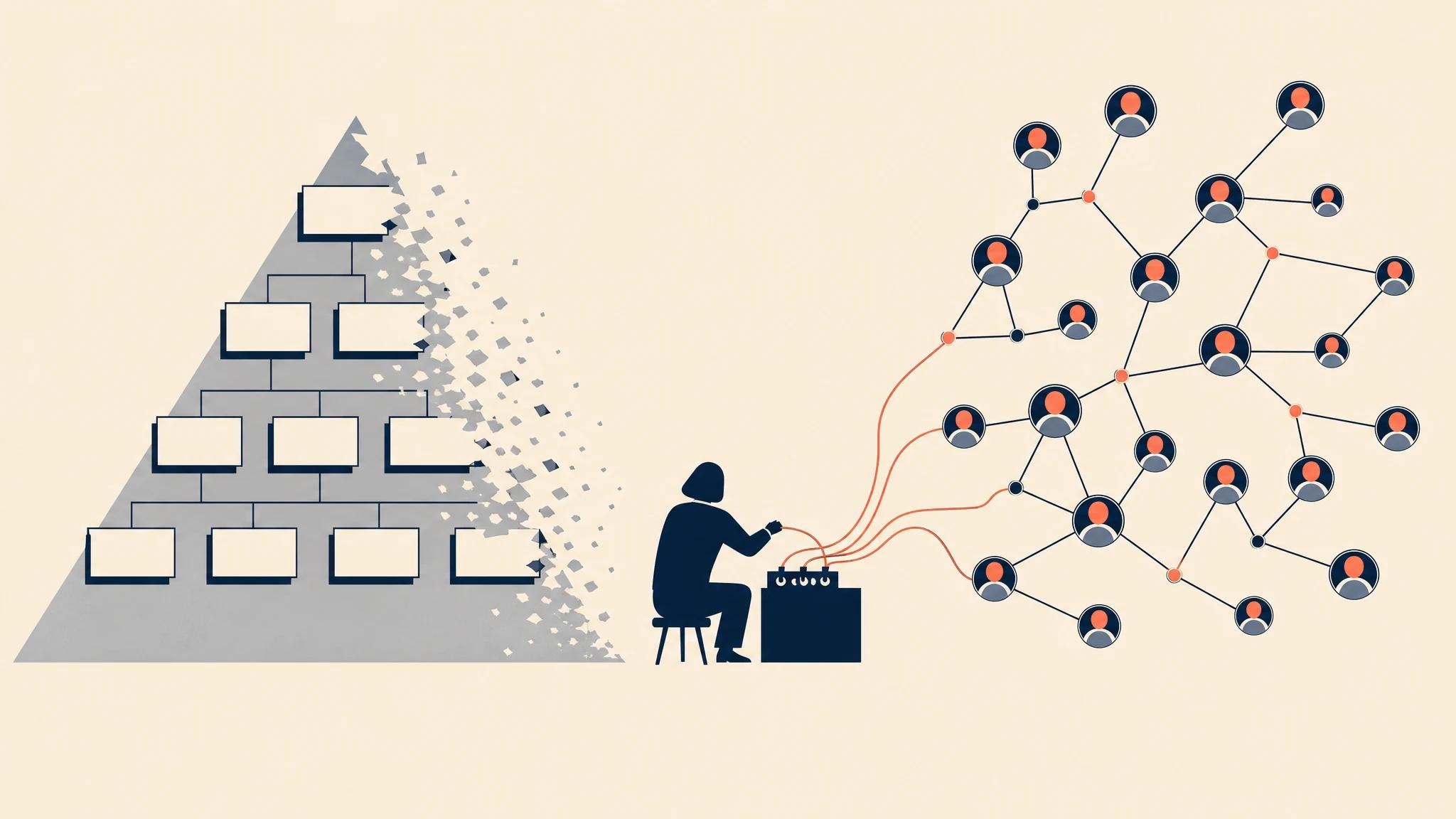
A solo founder in Silicon Valley producing the output of thirty people is not a product story. It is a signal that the company as a unit is shifting from headcount to an agent-orchestration graph. Korean startups' hiring roadmaps have a question to answer first.
When ultra-long context windows and persistent memory become the standard, memory no longer accumulates in our minds — it accumulates outside the system. The moment that outsourced memory becomes an asset, who owns it, how it is transferred, and when it is deleted emerge as new digital rights.
AI agents are beginning to receive budgets, wallets, and KPIs. What we call a non-human that delivers results will define the labor ethics of the next decade.
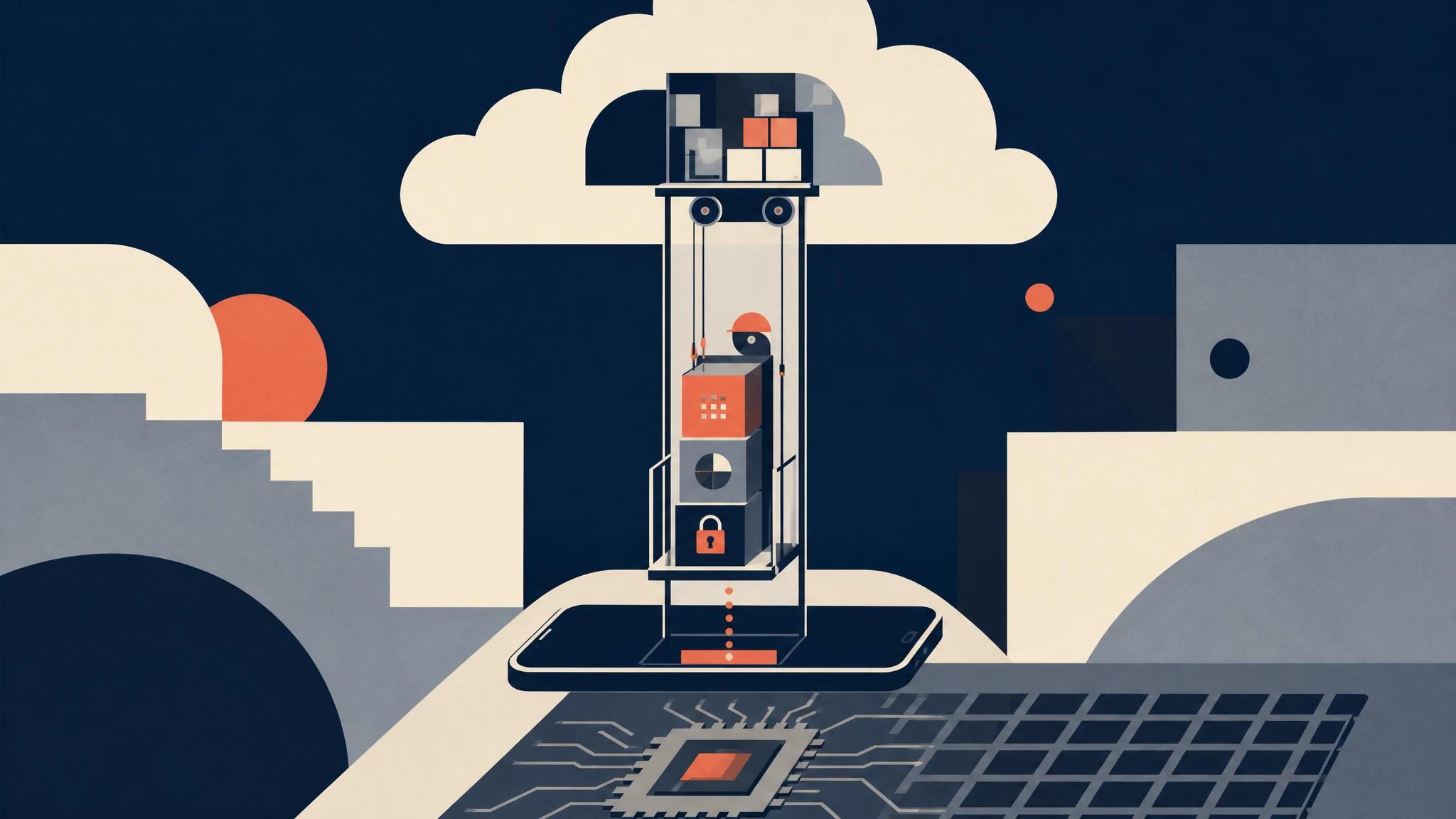
Small models embedded in smartphones and laptops have begun eating into cloud calls. This is not a battery-saving feature. It is a signal that power over data, billing, and privacy is migrating from platforms to OS and chip. Here is the leverage Samsung holds — and isn't using.
The AI copilot that has entered the workplace is no longer just a tool — it has become a colleague with whom trust must be negotiated. That trust is not built on accuracy rates but on the rules for sharing accountability when something goes wrong. In Korea's hierarchical organizations, those rules remain unwritten, and the empty space invariably flows downward.
While we frame AI talent drain as a salary problem, what's really walking out the door is something else entirely: access to compute and the scale of problems worth solving. This isn't a matter of individual choice — it's a question of national capacity.
In 2026, open-weight models are closing in on top closed models within months. The real front line has shifted from capability to deployment and integration. Korea should not chase the frontier — it should stake a claim on the integration layer above open models.
Whether AI infrastructure investment is a bubble is the wrong question. The real question is when the fixed costs — depreciation schedules, power contracts, and GPU lifespans — land on whose income statement. In which quarter do Korea's cloud and telecom companies receive that bill?
Declarations that 'prompt engineering is dead' are trending overseas. But what's dying is only the rote memorization of spells. Those who can decompose intent into structure and delegate it are becoming rarer and more valuable. Korea is still calling this debate by the name 'life hacks.'
The moment generative AI borrows a game character's mouth, the power that once belonged to the writer moves to the system. Those who can design controllable improvisation as a creative asset will own the next era of the game industry.
Playing the new titles that use AI to churn out endless content reveals a paradox: the more that's generated, the less fun it becomes. Fun doesn't come from the volume of what's created — it comes from the walls that block your way.
Spring 2026: GitHub's View on the Future of Agent Development
The future of AI frontier models is not a question of 'smarter chatbots,' but rather who owns the cognitive infrastructure.
AGI is not the arrival of a super chatbot. It is an event where the authority over judgment, execution, and coordination that humans have monopolized shifts onto new infrastructure.
Beneath the headline of full adoption, the line actually being redrawn is not the tech stack, but ownership of authority, responsibility, and veto power.
AI doesn't remove entire jobs. While it reduces a 5-minute repetition to 30 seconds, judgment disappears from creation and only review remains. So where does responsibility go?
Behind Busan's AI hub declaration, the reality that small teams and solo builders face
Complete victory over lawyer in 'pro se litigation' using AI. A client terminated their contract with a lawyer after a dispute over drafting a legal brief. The lawyer then