Why Can't a City with an Airport, Train Station, and Port Become a Gateway?
Busan has an airport, train station, and port. It's the only city in Korea with all three. Yet it fails to be a gateway. Why?
AI Summary
Busan is the only city in South Korea with an airport, major train station, and international port, yet it fails to function as a true gateway due to three critical disconnections: between the airport and downtown, between the station and port, and between Busan and onward destinations. The article argues that becoming a gateway requires not just infrastructure but seamless connections—30 minutes from airport to city center, 15 minutes from station to port, and easy transit to cities like Fukuoka—rather than large-scale projects alone.
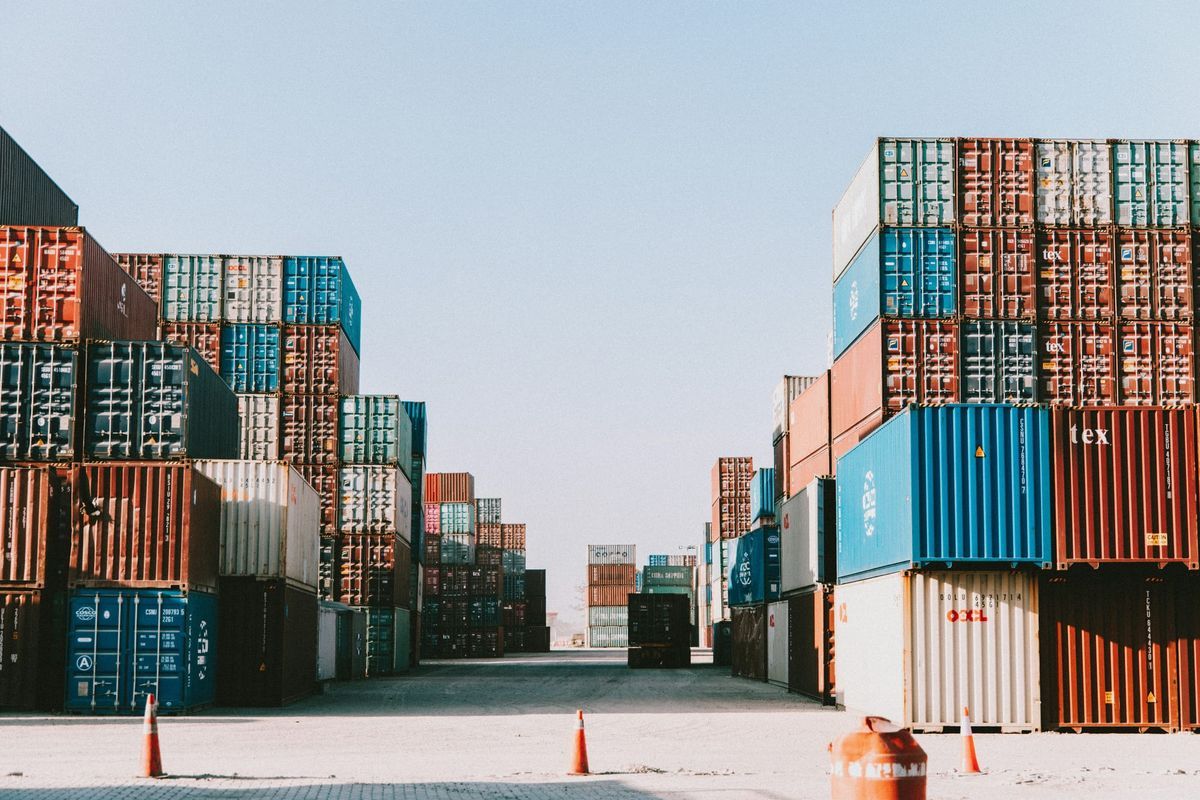
All Three Present
In 11 days, the next mayor will be decided.
Yesterday, we asked: What is the sea to Busan?
Today, we move into a bigger question connected to that sea.
Busan has all three: an airport, a train station, and a port.
Gimhae International Airport. Busan Station. Busan Port International Passenger Terminal.
Busan is the only Korean city with all three.
Even Seoul doesn't have all three. It sent its airport to Incheon and its port to Pyeongtaek.
Yet Busan cannot become a gateway.
Why?
What the Numbers Say
It has all three, but all three are second-tier.
The airport is a backup to Incheon. The station is a terminus. The port focuses mainly on short-haul routes to Japan.
There are three gateways, yet none of them make people enter through Busan.
What I Saw at Busan Station
Two p.m., Busan Station.
People getting off the KTX pour into the plaza.
Tourists pulling suitcases, office workers with briefcases, families visiting.
Most of them head for the taxi line after stepping into the plaza.
Getting off at Busan Station and heading to Haeundae, Gwangalli, or Songjeong.
The transfer to the next destination is far from seamless.
There's a subway, but transferring with a suitcase is frequent and cumbersome; bus routes are hard to figure out; so it ends up being a taxi.
Busan Station is a place you arrive at. Not a place you pass through.
A gateway is a city of transit.
A flow of entering, staying, and leaving again. Tokyo Station, Singapore Changi Airport, Hong Kong Kowloon Station.
Those cities are both destinations and departure points.
Busan stops at being a destination.
Three Disconnections
Busan can't become a gateway because three points are disconnected.
First, the Disconnection Between Airport and Downtown
From Gimhae Airport to Busan Station by metro takes about 50 minutes.
From Incheon Airport to Seoul Station by airport railroad express takes about 43 minutes.
The distance is much shorter in Busan, yet the time is similar.
The first 30 minutes after arrival determine the impression of a city. Busan makes you spend those 30 minutes finding your way.
Second, the Disconnection Between Station and Port
From Busan Station to Busan Port International Passenger Terminal is just over 1 km in a straight line. Yet there's no transfer route. The flow of getting off the KTX at Busan Station and boarding a ferry to Japan should take under 30 minutes in a proper city. But it doesn't.
Third, the Disconnection Between Busan and the Next City
Busan brings people to Busan. But it doesn't take them from Busan to the next city.
People going to Tokyo go via Incheon. People going to Fukuoka also go through Incheon.
Even though there's a Busan-Fukuoka ferry, it's not the default option.
For Busan to become a true gateway,
a flow of passing through Busan to the next destination must emerge.
The Question Remains
A gateway is not infrastructure—it's flow.
Even with an airport, station, and port, if they're not connected to each other, it can't be a gateway.
And if those three don't connect to the next city, it becomes a terminus.
Is Busan a terminus or a transfer station?
The answer to this question will define Busan's identity for the next 10 years.
Will the completion of Gadeokdo New Airport allow Busan to catch up with Incheon?
If Busan Port New Port grows larger, can it become the world's number one transshipment hub?
They're all large infrastructure projects.
But a gateway is not created by large infrastructure alone. Small connections are more important.
30 minutes from airport to downtown. 15 minutes from station to port. 3 hours from Busan to Fukuoka.
A city where these connections are the default—that's a gateway.
One Request
Tomorrow is the sixth question.
Whose financial center is BIFC?
Please read and share with at least one person. Someone who hopes Busan becomes a transit point.
— Grey Busan, May 2026
PolyBusan does not support any specific party or candidate. We only ask questions. Error reports · feedback: busanloop@gmail.com
This article was automatically translated from the Korean original by AI. For the authoritative version, read it in Korean.
한국어 원문 읽기 →