The Character for Emptiness
The word gong-gan (空間, space) contains the character gong (空), meaning emptiness. In 2018, I learned its meaning at a small travel bookstore in Yeongdo. That what draws people is not filling, but emptying. The bookstore is gone and a Western restaurant now occupies the space, but what remains is a place where people want to stay.
AI Summary
A reflection on creating a travel bookstore in Yeongdo's Cheonghak-dong in fall 2018, where the author invested nearly 50 million won in a 20-pyeong space to create margins and emptiness rather than cramming it with books. Though the bookstore no longer exists and has been replaced by a popular Western restaurant, the essence of the space as a place where people want to linger has endured, teaching the author that emptiness, not fullness, draws people in.
The Character for Emptiness
The word gong-gan (空間, space) contains the character gong (空), meaning emptiness.
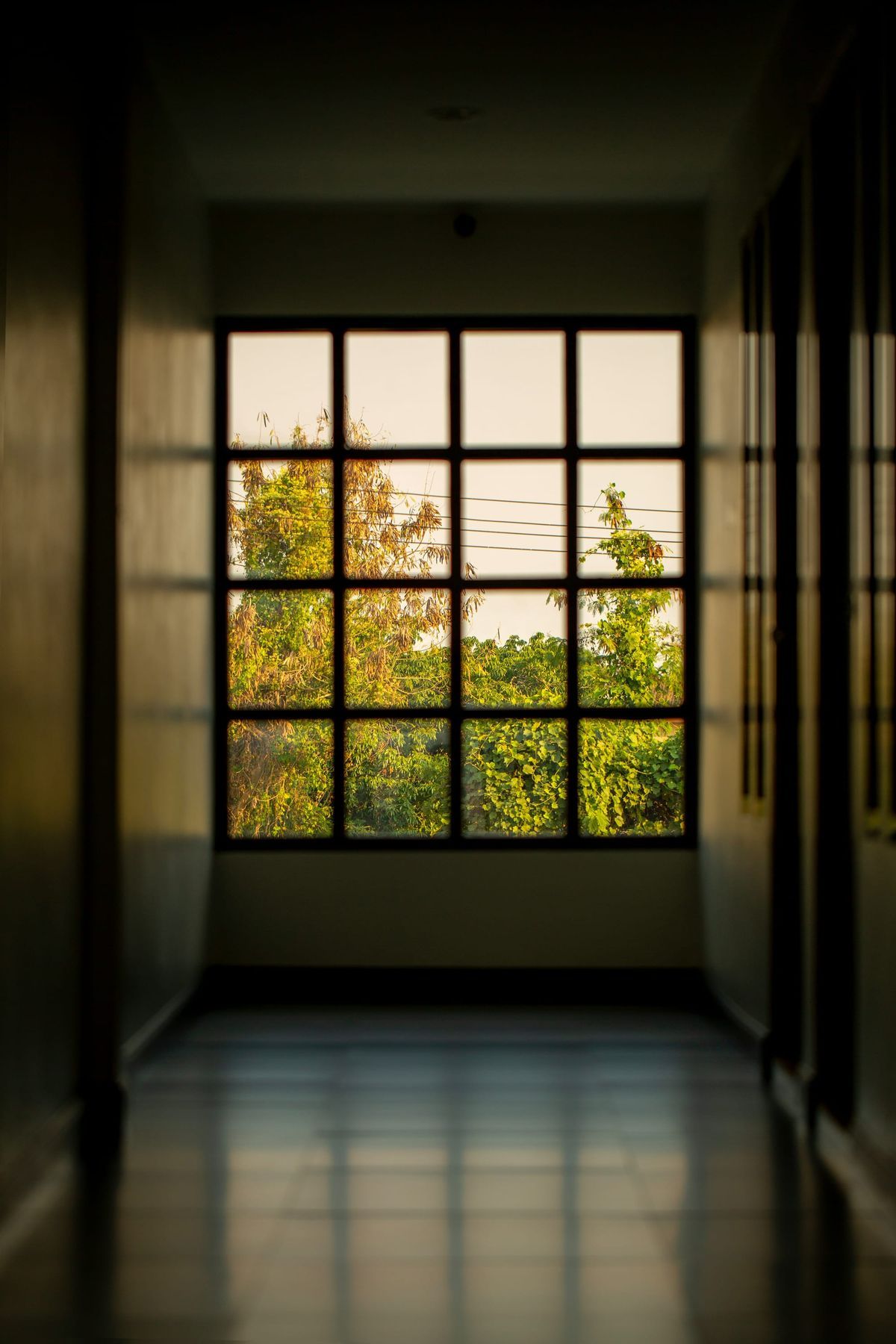
The same goes for gan (間), meaning 'between.' The shape of sunlight streaming through a gap in a door (門). The word gong-gan was never meant to be filled with something from the start. Emptiness, and the place where something comes and goes through it—that was space.
I only learned the meaning of this word after creating a bookstore.
November 2018, Yeongdo
That fall, I opened a small travel bookstore in Cheonghak-dong, Yeongdo.
It was around the time I was coming and going to Yeongdo for a certain miscellaneous goods project. The work kept expanding, and one day I suddenly wanted to have my own space in that neighborhood. I loved books, and above all, the time I spent browsing books at other bookstores was a rest for me. The time spent scanning the spines lined up in rows, pulling out a book, and opening it to read anywhere. I hoped our bookstore would become such a place for someone.
So I didn't want to create a cramped bookstore. Not a bookstore that crams in even one more book, but a bookstore with margins. Like a gallery, a place where there's room to breathe between books. A time to rest while slowly strolling among carefully selected books that people who love travel would welcome.
Looking back now, I wasn't creating a bookstore—I was creating margins.
The Cost of Margins
Margins are expensive. In money and in legwork.
I traveled to various cities to see what good margins look like. Bookstores in Seoul, small spaces in Jeju, old places in Gyeongju. I observed not how books were placed, but how the spaces between books were left empty, where people stopped walking and where they caught their breath. From that research, I learned that good spaces are remembered not for what they filled, but for what they emptied.
I spent close to 50 million won on a space of just over 20 pyeong. The used bookstore I first opened in Yangsan cost less than 5 million won for interior design, so this was exactly ten times more. If I had shelved more books, that money wouldn't have been necessary. But instead of filling, I spent money on emptying.
I went around looking for vintage furniture. The grain of old wood, chairs worn with use. I also made an effort to find a window. Because I believed that how light enters determines what kind of place that space will become. Filling costs little money, emptying costs a lot. The work of properly creating emptiness was, in fact, the work of filling most carefully.
Ten People at a Long Table
There's a scene from that bookstore that remains most vividly.
I once held a gathering where we all ate dinner together. About ten people sat around a long wooden table. There were people who came to buy books, people who just came to browse, and people who tagged along with someone. The sight of those ten people around that table that day, all spending time with joyful faces, still makes me feel good when I recall it.
That's when I knew. What created that moment wasn't the books. It was the margins. If the books had been packed tightly, there would have been no room for that long table, and the ten people couldn't have gathered. The empty space called people in. Filling calls things, but emptying calls people.
The Bookstore Is Gone
That bookstore no longer exists.
In the same spot now stands a beloved Western restaurant. People come to eat gnocchi, risotto, and pasta. The travel books I selected are gone, and the vintage furniture probably doesn't remain as it was either. The business changed, the owner changed, what filled it changed.
But one thing remained. That it's a place where people want to stay. Whether coming to look at books or to eat pasta, it's still a space where someone wants to enter and spend time. What I created then ultimately wasn't a bookstore. It wasn't bookshelves either. It was an emptiness where people could stay, and that didn't disappear even when the business changed.
Gong-gan (空間). Emptiness (空), between (間). A place that grows more distant the more you try to fill it, and draws people in the more you empty it. I first learned that meaning at a small bookstore in Yeongdo.
And that lesson has followed every space I've built since.
Space 100 · First Record · Gray (Kim Hyunseung)
This article was automatically translated from the Korean original by AI. For the authoritative version, read it in Korean.
한국어 원문 읽기 →