How Does Busan Gather People?
In an era where individuals can create companies alone, solo entrepreneurship has surpassed one in three. Yet people are actually converging more on a single city. The more one can do alone, the more people gather. What draws a person is neither policy nor buildings. It's another person already there creating something. And this act of gathering is the last work remaining for humans that AI cannot replace.
AI Summary
Despite the rise of solo entrepreneurship and remote work tools enabling individuals to build companies alone, people are increasingly converging in specific cities like San Francisco. What attracts talent is not infrastructure or subsidies, but the presence of other genuine builders already creating something there—a human-centric dynamic that AI cannot replicate and that Busan must cultivate to retain its talent.
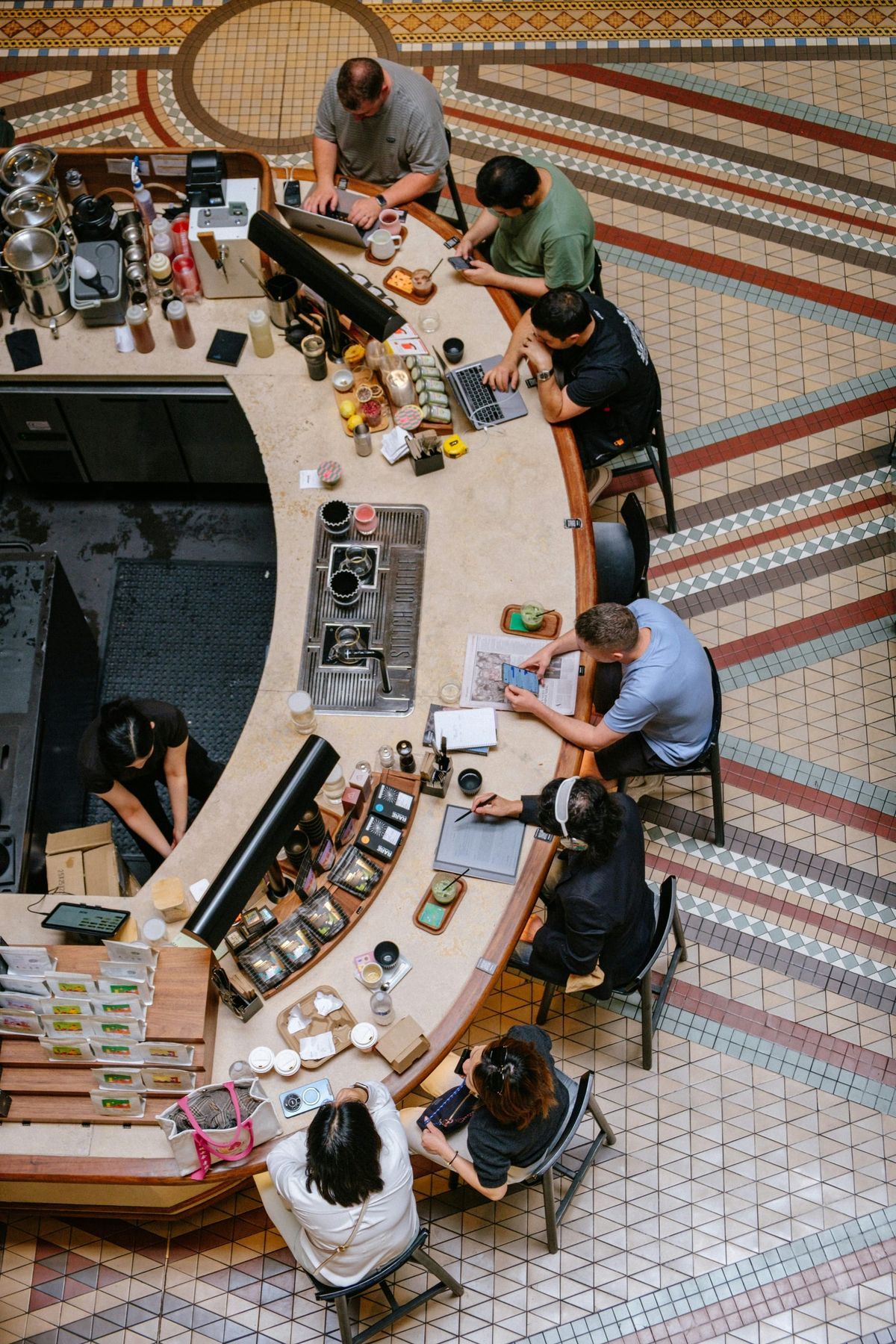
This is an era where individuals create companies alone. In 2019, a quarter of new startups in the U.S. were solo ventures. By 2026, it surpassed one in three. The average number of employees at one-year-old companies has been declining for 20 years—what was once seven or eight people is now two or three. Code, design, marketing, customer service—one person accomplishes it all with a few tools. Tasks that would have required ten people in the past.
So it's easy to think this way: that people are less necessary now. That gathering isn't needed. That everyone can do everything alone in their own room, in front of their own screen.
The premise of this article is the opposite. The more one can do alone, the more people gather. What draws a person somewhere is neither policy nor buildings. It's another person already there creating something.
But They Gather More
In this very era when one can do everything alone, people are actually converging in one place.
There was much talk that San Francisco was past its prime. But the actual data showed the opposite. More than half of new companies settled in San Francisco again, and that proportion is rising faster with the AI boom. In an era when everything can be done remotely, people deliberately converge on one city, bearing the burden of visas and costs.
Why? One founder said this: that remote work slows down the speed of creating and executing new ideas. That founder obtained firsthand information at a coffee shop CEO gathering that would never have been gained from news or reports. Who's running which model cheaply, who solved what blocked problem where. Such things aren't searchable.
They pass only between people. Research analyzing location data in Silicon Valley confirmed with numbers that the effect of chance face-to-face encounters on innovation is substantial. Being able to do everything alone and being okay alone were different things.
What Gathers?
So what gathers people in one place?
Not a nice office. Not cheap rent, nor respectable support programs. If such things could attract people, the city with the best buildings and the largest budget would have already gathered them all.
What attracts people is another person already there creating something. Builders come to see builders. If one person is genuinely doing something there, another person who sees it comes. And a third person who sees those two comes.
What enlivens a gathering isn't headcount. One genuine person enlivens a venue more than ten spectators. When that one person recognizes another, and something passes between them, only then does the venue become alive.
Events can attract people but don't make them stay. What makes them stay is another person they want to meet again. This is the hardest thing. Buildings are built with money and programs are opened with budgets, but a genuine person can't be brought with money. You must make them want to be there.
This isn't to say that gathering people doesn't generate money. Some places don't let just anyone in even if they pay. They screen members and manage who's inside.
Why? Because who is there is everything about that space. A venue where genuine people gather—that density itself becomes value. Money doesn't gather people. Density protected through recognition attracts money. That's the order.
So the question turns to Busan. Busan has built buildings, opened startup spaces, and created support programs. But buildings and events only attract people, they don't make them stay. As seen in previous articles, Busan is accustomed to cultivating talent and sending them away.
One reason that talent leaves is here. Where they go, there's already another person creating something there, and in Busan, there weren't enough venues to meet that one person. What Busan needs to build is not more space, but the density where one genuine person meets another.
The Work of Gathering People
In an era when one can do everything alone, tools increasingly replace more things. They write code, draw pictures, compose text, find answers. But one thing they cannot replace: the work of gathering people.
AI cannot be there in your place. Looking into someone's eyes and recognizing them, making them want to come again, connecting them with someone else. That is not measured, not automated, cannot be replaced by tools. It's the most human work, and therefore becoming the most precious work. The more one can do everything alone, the more the place of the person who gathers people doesn't disappear but grows larger.
And among the people Busan must gather are those who have already left Busan. Where are they, and how are they reconnected? That's the next question.
This article was automatically translated from the Korean original by AI. For the authoritative version, read it in Korean.
한국어 원문 읽기 →