Taste Is Now a Rental
In 2026, the tastes of Koreans are no longer possessions but remnants lent out by recommendation engines. We trace who recovers that residual value.
AI Summary
As recommendation algorithms from platforms like Netflix, Melon, and Coupang optimize content discovery, personal taste is shifting from individually owned assets to states continuously renewed by AI engines. While users gain convenience through reduced search costs, platforms capture the residual value—refined predictive power and advertising rates—built from user preference data, creating an asymmetric relationship where rental fees and rental profits accrue to different parties. The solution lies not in rejecting recommendation systems but in redesigning their rules through data portability rights, algorithmic transparency, and mandated serendipity.
On a Friday night, someone lies on the sofa and turns on Netflix. After scrolling through the screen for about 30 seconds, they click on the second title in the row labeled "Recommended for You Today." They feel like they chose it according to their own taste. That's exactly the carefully designed scenario. The person made the choice, but the recommendation engine decided what candidates to display. The efficiency is clear. Search time decreases, failed choices diminish, and satisfaction rises. The problem is where the cost of that efficiency went.
When Did Taste Shift from Asset to Remnant?
Taste was once closer to an asset individuals built up. What music you listened to and what films you savored was private property created through time and trial and error. The core of that asset lay in inefficiency. The wrongly purchased album, the movie you couldn't finish, the wasted trip to a neighborhood bookstore stumbled upon by chance. Those wasted steps came together to form a person's outline.
What's happening in Korea right now is precisely the elimination of that inefficiency. Melon and YouTube Music automatically queue the next song, Coupang and Musinsa pre-arrange the next purchase, and Instagram Reels endlessly fill the next 15 seconds. Recommendations have moved into the space where wasted steps disappeared. It's true that things became more convenient. But in the process, the ownership structure of taste quietly changed. The entity that knows most accurately and earliest what I like is no longer me, but the platform.
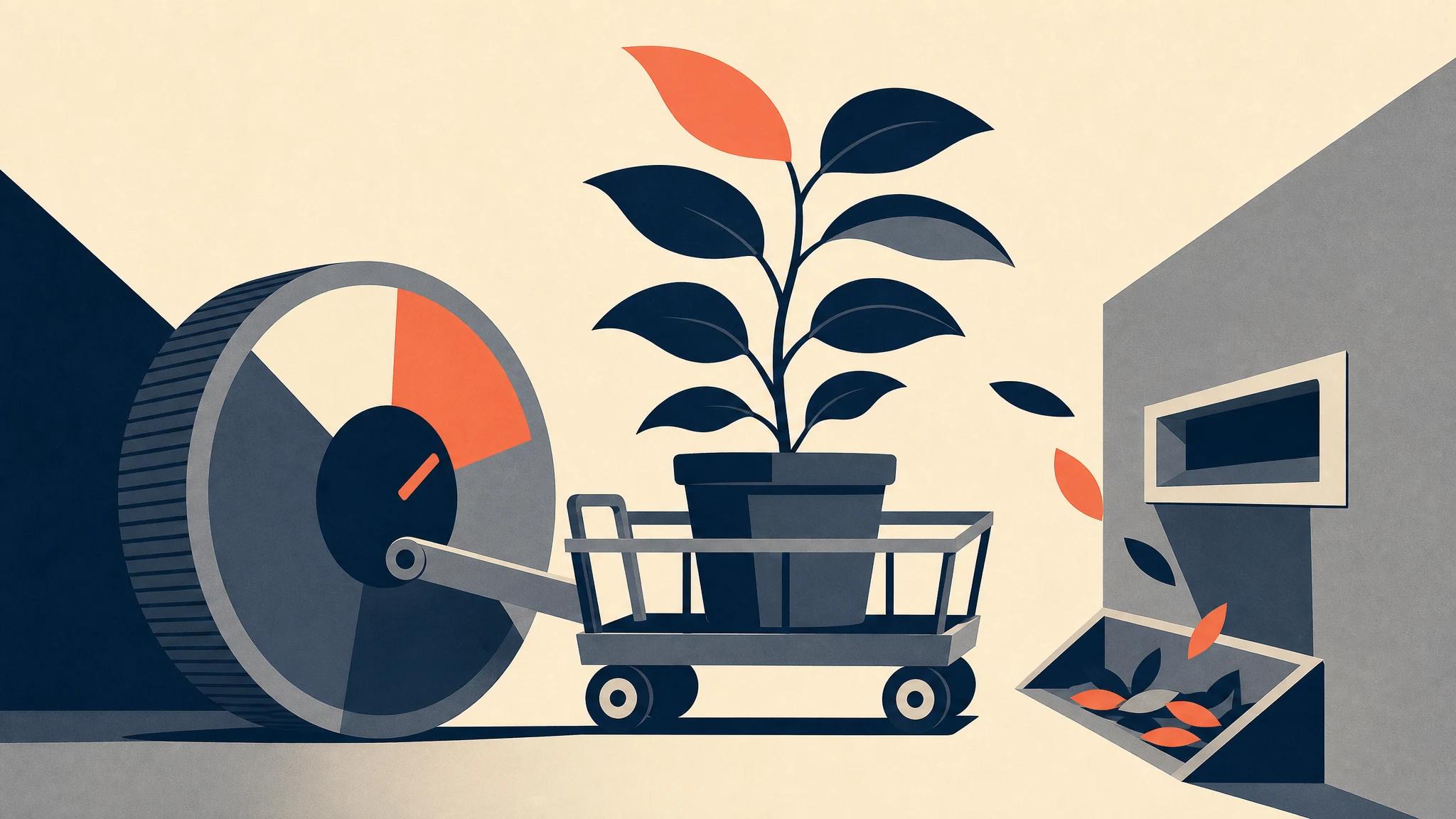
If we reframe this not as ownership but as subscription, the picture becomes clear. Taste is now closer to a state value that recommendation engines update and lend out moment by moment, rather than something stored within me. If you log out and delete the app, that taste doesn't follow. Nine years of listening history and the preference vectors learned from it remain on the platform's servers. The tenant is the user, and the landlord is the algorithm.
Reduced Costs and Increased Costs Don't Belong to the Same Person
The logic defending efficiency is simple: isn't it beneficial to everyone if it quickly finds what you'll like? It's only half correct. This is because the invoices for reduced costs and increased costs are issued under different names.
What decreased is users' search costs, and simultaneously, the increased costs are threefold. First, as the cost of discovery disappears, so does serendipity. Recommendation engines use your past as material to construct your future. They endlessly recommend only what resembles yesterday's you. Taste doesn't broaden; it converges on yesterday's coordinates. Next is the cost that shifts to creators. To get into the candidates the algorithm displays, music crams the chorus into the first 15-second intro, and videos stake everything on the first three seconds. Recommendable formats push out good formats. Last is the quietest cost. One person's preference data is reprocessed into raw material for ad targeting and price discrimination. The same airline ticket appears more expensive to some people.
Let's return to the core question here. Whose power does this efficiency grow? Users gain convenience but don't have control over their data. The model created from my taste ends up confining me again, and the residual value of that model—the more refined predictive power and advertising rates—is recovered by the platform. The side paying rent and the side collecting rental income are divided. This is the essence of the subscription model.
Not About Rejection, But About Rewriting the Design
Let's prevent misunderstanding. This isn't romanticism about turning off recommendations and returning to neighborhood record stores. Recommendation systems create real value in an age of information overload. It's not about stopping, but about deciding again whose rules will govern.
There are three directions. One is data portability rights. The European Union opened the path through the Digital Markets Act to force core platforms to make user data transferable. Korea should also expand MyData beyond finance to content and preference data, guaranteeing the right to take nine years of taste records to other services. Tenants should be able to recover their rented tastes. Two is transparency of recommendation logic. The right to demand explanations for why something appeared, and the right to turn off recommendations or return to depersonalized views like chronological order. Like Instagram reviving chronological feeds as an option, choice itself must become a regulatory target. Three is margin for serendipity. Not 100 percent recommendations, but a design that forcibly mixes a certain proportion from outside my coordinates. Since the market won't do this on its own, it must be nailed down as a rule.
Think of how an independent bookstore in Busan builds regulars through curation. There's the owner's bias and chance, and customers visit knowing that bias. What's missing from algorithmic recommendations is precisely that point. You can't see who selected these candidates with what intention. It's dangerous not because there's no bias, but because the bias is hidden.
This isn't a story about stopping technology. Recommendation engines will remain. However, whether that engine will act as the landlord of my taste or remain a tool under my control is determined not by technology but by rules. If algorithms moved into the space where taste disappeared, the next question is singular: who sets the rent for that space, and to whom does that residual value return? This isn't a problem to turn on and off in settings menus, but a problem to settle with rules we establish together.
This article was automatically translated from the Korean original by AI. For the authoritative version, read it in Korean.
한국어 원문 읽기 →