When You're Stuck, Busan Is a City That Empties You
On afternoons when work stalls, Busan shows you how to empty before you fill. It's not about what you go to see, but what mode you go in. Routes and perspectives suited to days when your head is overheated, your hands are restless, or you need a change of mood.
AI Summary
This article explores how Busan serves as a unique space for creative recharge, emphasizing the city's ability to help visitors empty their minds before refilling them with inspiration. Rather than focusing on what to see, it recommends choosing destinations based on your current mental state—whether you need to cool down an overheated mind, seek hands-on inspiration, or simply change your mood. The piece highlights specific venues like Busan Museum of Modern Art, F1963, and Busan Cinema Center as places suited to different creative needs.
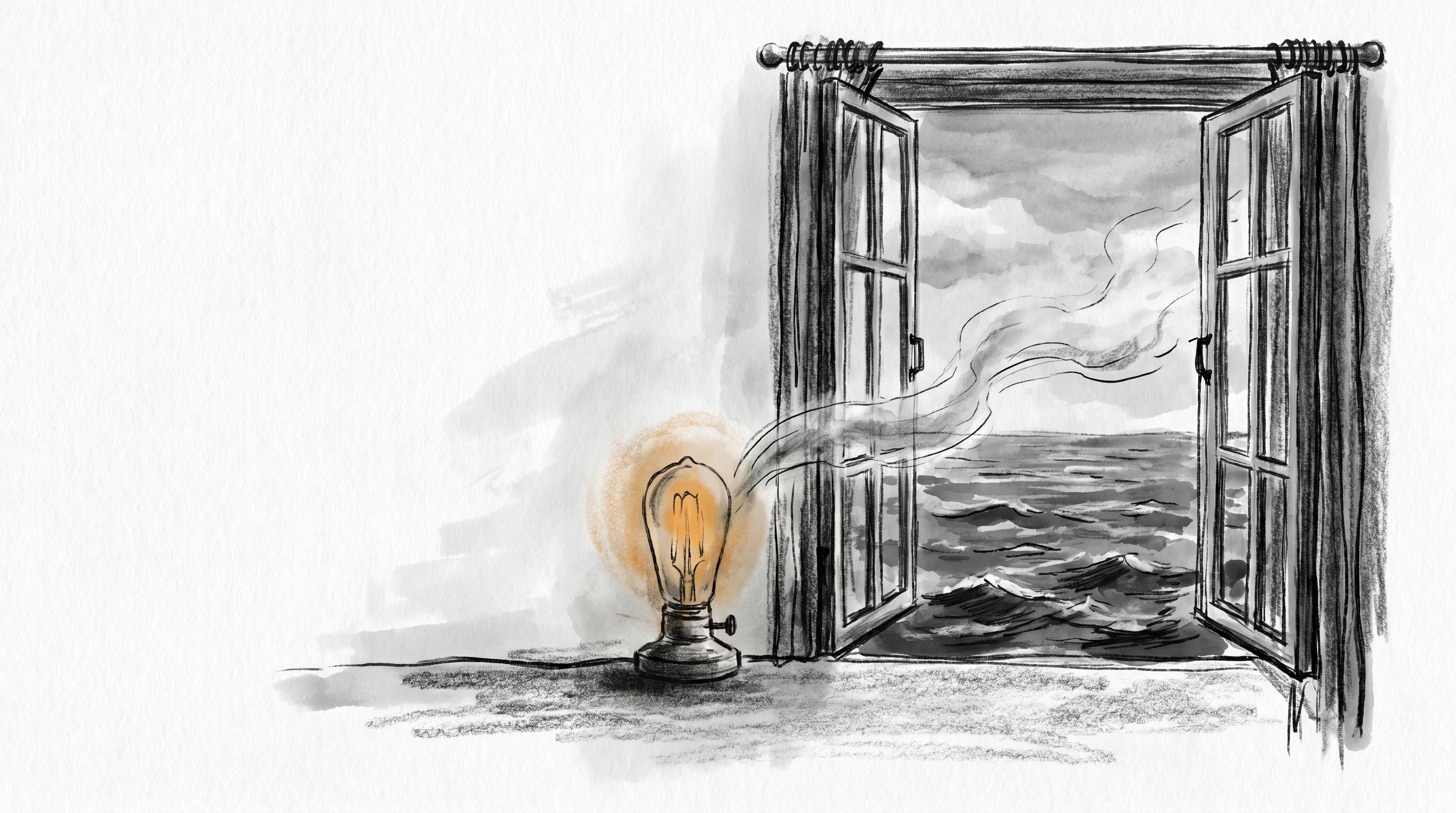
There are afternoons when you close your laptop and step outside, unsure where to go. More than being stuck on work, your body realizes first that there's been no input for a while. On such days, Busan is unexpectedly kind. Move just one stop toward the sea and the landscape changes, and that change itself becomes ventilation. Busan is a city that knows how to empty before it fills. A city that knows how to empty ultimately knows how to fill as well.
Not What You Go to See, but What Mode You Go In
Even the same exhibition yields different takeaways depending on the mindset you bring. When your head is overheated, places with less information work better. Busan Museum of Modern Art, which houses the Lee Ufan Space, sits by the waterside of Eulsukdo Island at the Nakdong River estuary, where the reed beds and water birds you encounter on the way slow you down before you even see the artwork. It's a boundary landscape where river meets sea, so your mind clears by a notch before you even arrive. Just standing for a long time in front of large installation works that don't require reading much text becomes recharging in itself.
| Busan Museum of Modern Art | F1963 | Busan Cinema Center | |
|---|---|---|---|
| When Needed | Brain overheated, lacking information | Itching to create, need tactile sensation | Mood change |
| Features | Eulsukdo waterfront, large installations | Repurposed old factory structure | Light under massive roof |
Conversely, on days when your hands are restless, when you long for the sense of making, F1963 is the right fit. A cultural complex converted from an old wire factory, the building itself demonstrates an attitude of reusing the old without discarding it. Looking up at the ceiling with exposed framework and rusted steel beams preserved as-is, you find yourself tracing with your eyes how far the hands that repaired rather than demolished have reached. For makers, that structure itself becomes a reference. It's a place where you go to see an exhibition but end up examining the space's details for longer.
If you need a change of mood rather than inspiration, head to Busan Cinema Center. At night, light flows beneath the massive roof, and sitting quietly under the illumination that spreads along that ceiling cools your head even without matching screening times. You feel in your body that the city is a stage deliberately created for the extraordinary.
Short Routes, Long Afterglow
The trick to recharging in Busan is not being greedy. One place a day, two at most. If you miss the original downtown, just walking slowly around the Ttottatто area is enough. It's a neighborhood where artists have moved into emptying downtown buildings to work, so the air of process-in-the-making lingers more strongly than finished exhibitions. Gamcheon Culture Village has a similar texture—if viewed only as a tourist spot it's noisy, but if you go early on a weekday, the rhythm of colors and alleys reads differently. How people revive a neighborhood—that itself is a good case study for planners.
The criterion for choosing is simple. First decide whether what you lack today is color, sound, or spatial sense. If you think of going to fill just that one missing thing, your route organizes itself naturally. Close the reviews and ratings for now. Recharging isn't about going to confirm what others said was good, but about going to find the blank spaces in your own senses.
It's okay if work doesn't unlock on the way back. Busan only subtly shows the next scene to those who've emptied themselves well. A city where you go to empty and return filled—that's the small secret known by those who work here.
This article was automatically translated from the Korean original by AI. For the authoritative version, read it in Korean.
한국어 원문 읽기 →