A moat is not about principles, it's about 'aesal'
In an era where AI writes all the code, will 'the ability to understand and verify principles' remain a developer's moat? I don't think so. It's a moat that will disappear when the meta changes. So what should we cultivate? In Busan, they call it 'aesal.'
AI Summary
The author argues that understanding code principles and verification won't remain a sustainable moat for developers as the meta shifts with AI advancement. Instead, the real competitive advantage lies in 'aesal'—a Busan term describing the ability to relentlessly question, outline, and deeply absorb every piece of information encountered. Rather than self-engineering to fit current AI gaps, the focus should be on discovering personal interests and continuously deep-diving into those domains.
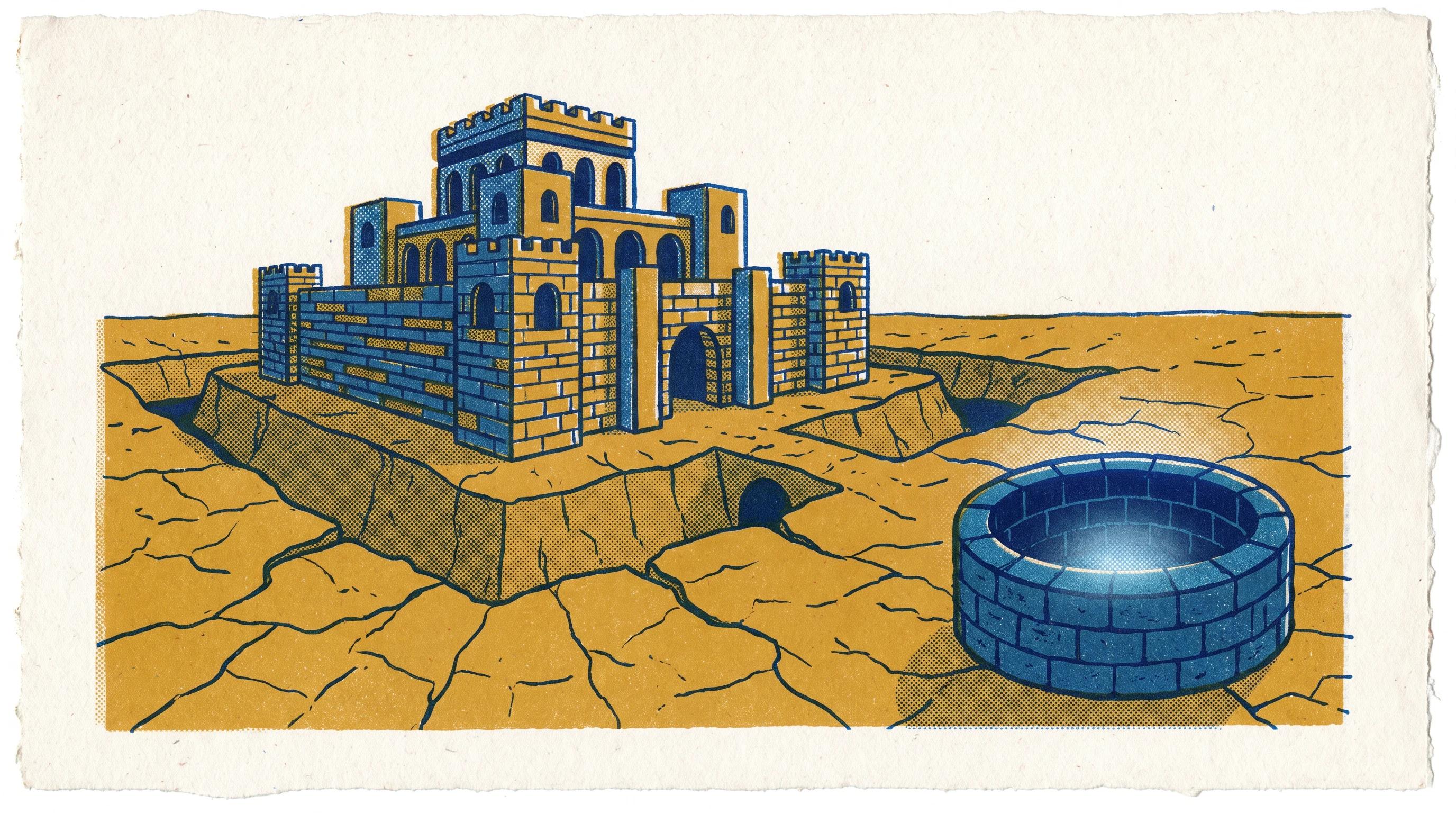
In an era where AI writes all the code, will the ability to understand and verify code and principles remain a developer's moat?
I don't think so. Code principles(?), understanding, verification... Programming 'languages' are means to an end. The means to achieve objectives have always changed and will continue to change. When the meta drops for means that seem effective at a particular time, it's goodbye-my-friend.
Restaurants that serve the rice we eat every day are called '맛집' (tasty restaurants). In 'as long as it tastes good,' things like origin and such are secondary depending on the value attached.
It's hard to see that the retail business we've lived with for so long has bought and sold by 'calculating BOM derived from principles.' Once there's a certain level of recognition, the rest has been traded on bundled value and premiums for convenience. That's how we've built the credit society of the current generation, and we'll continue to live in such a society.
So holding onto 'the ability to understand and verify principles' as a moat for a specific profession seems like an unsustainable approach. It's a moat that will just disappear when the meta changes.
So what should we cultivate? The ability to question every single word passing by around you without missing any, sketch outlines, dive in well to make it your own. If that's a moat, I'd say that's the moat. It wouldn't matter what the tool is. This kind of thing... is called 'aesal.' In Busan.
So I think what's needed in this so-called AI era is not simply self-engineering yourself. That feels like voluntarily getting swept into a time-attack competition eaten by bigger waves. Even if you've fit yourself to engineering that machines can't cover yet, most of the current AI momentum has only been in full swing for 6 months, so the probability of that fit changing is higher.
Rather, I think it's much better to grab hold of what captivates you and what you're good at first, and then attach a pacemaker and a companion contribution to keep deep-diving into those keywords. (Actually, I wish I had something like that too.)
That's why every time I meet someone, I always ask what they value in their domain and how they follow that value. As we talk, it's nice to be able to glimpse, even roughly, at what level of context their concerns lie. (When you come to Busan, I always brew coffee and ask these questions.)
For me, someone always full of imagination and concerns, most concerns have been well-answered when viewed purpose-oriented rather than means-oriented.
This article was automatically translated from the Korean original by AI. For the authoritative version, read it in Korean.
한국어 원문 읽기 →