How Busan Uses AI
It wasn't a theory lecture or a tool promotion. From drug development to an elementary student's AI video, a night when Busan people showcased how they actually use AI in their own ways. The scene from SOUTH BRIDGE and Genspark's 'HOW I USE AI.'
AI Summary
SOUTH BRIDGE and Genspark hosted 'HOW I USE AI,' a community event in Busan where local users demonstrated practical AI applications across fields ranging from pharmaceutical development to children's education. Over fifteen real-world cases were presented in a Show & Tell format, emphasizing hands-on experience sharing rather than theoretical instruction. SOUTH BRIDGE plans to develop follow-up programs including deep-dive workshops, builder roundtables, and leader networks based on insights from the event.
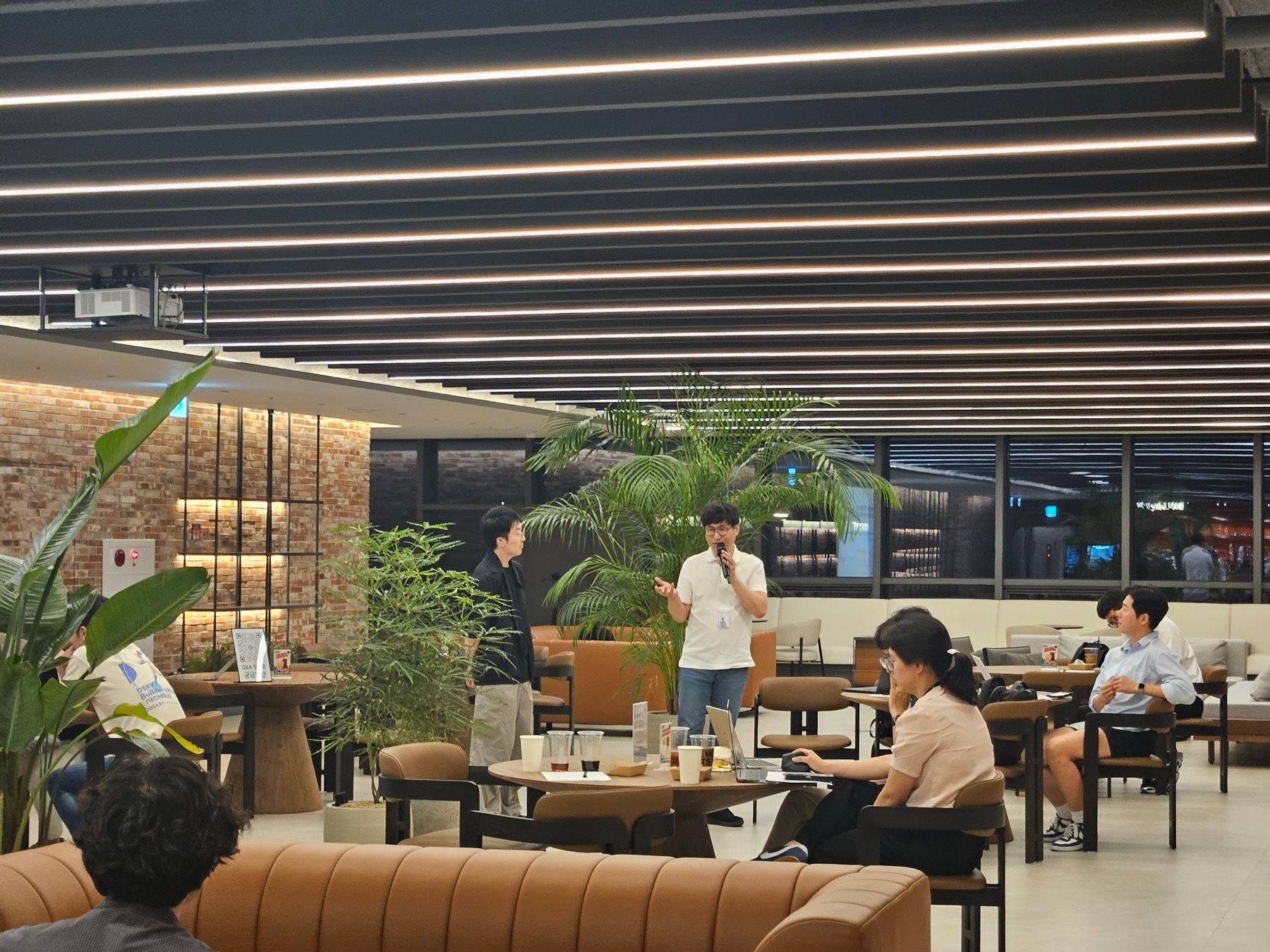
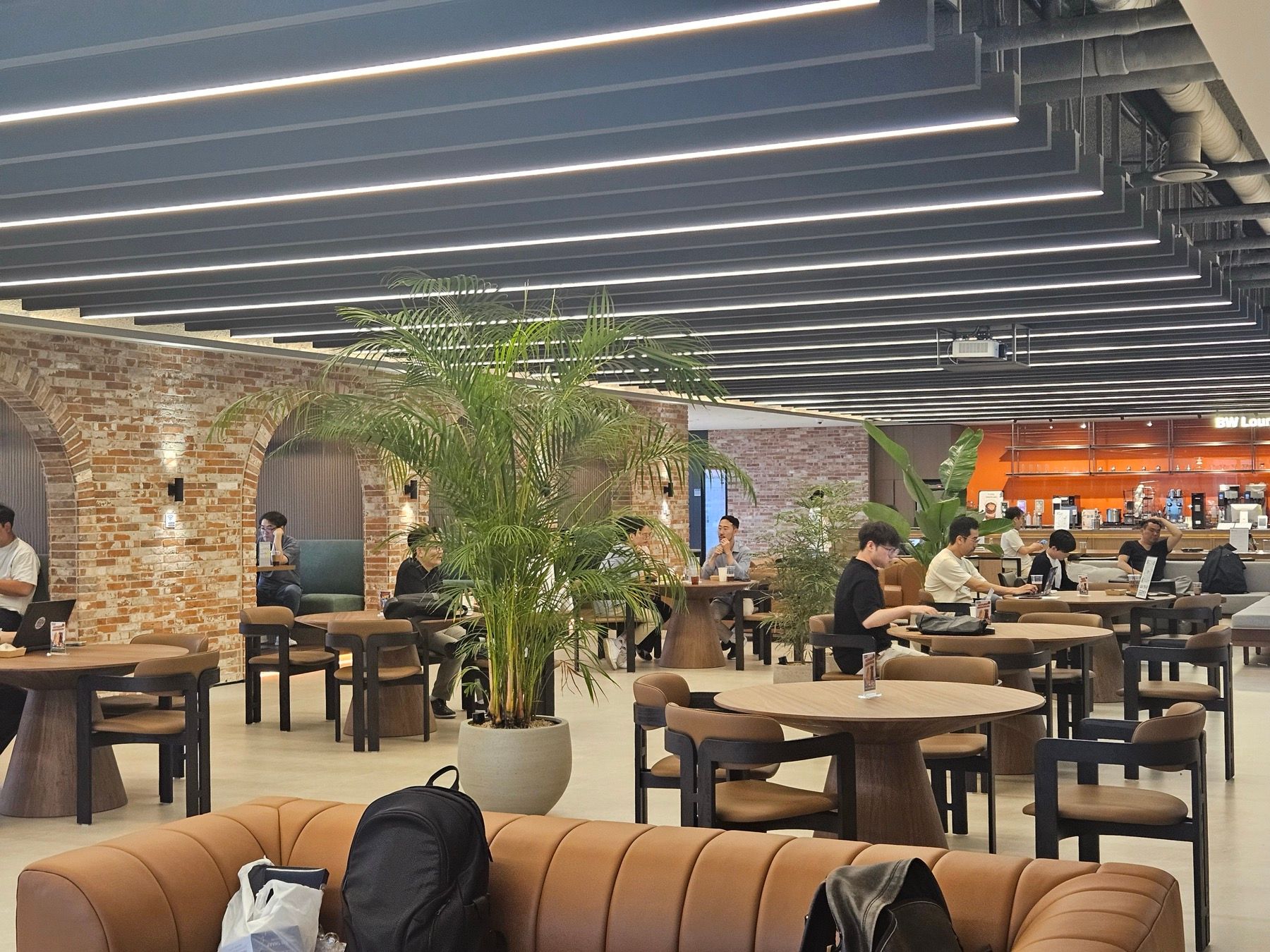
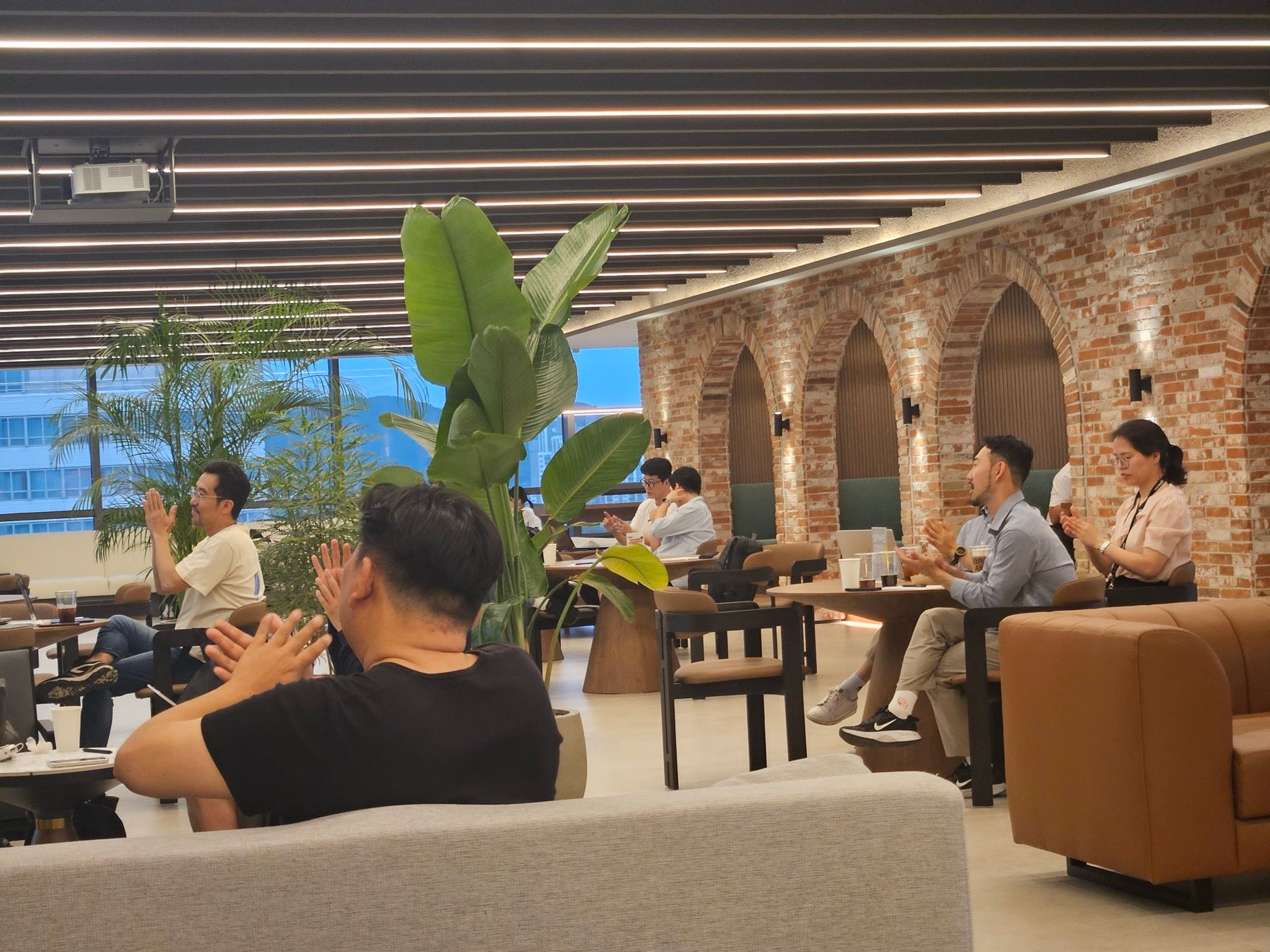
On the evening of June 30, on the 22nd floor of BIFC2 in Munhyeon-dong, Busan. It wasn't a theory lecture, nor a promotion for a specific AI tool. It was a gathering where people who work and live in Busan showed on screen how they actually use AI in their own ways. This was 'AI Sharing Session, HOW I USE AI,' held by community SOUTH BRIDGE together with global AI startup Genspark.
Let's be clear first. This event was organized directly by SOUTH BRIDGE, and this article is a record of that scene. The slogan was clear. Not a place to learn AI, but a place to connect and record the experiences of people who use it. So the stage was open to users, not lecturers.
The format was 'Show & Tell,' where participants directly demonstrated and discussed how they use AI as a tool in their own work, development, and educational settings. It aimed for more than user reviews. Each presentation emphasized applications not tied to specific platforms, and records that others could retrieve and use. It was designed to ensure that one person's trial and error doesn't end there, but accumulates as the community's knowledge asset.
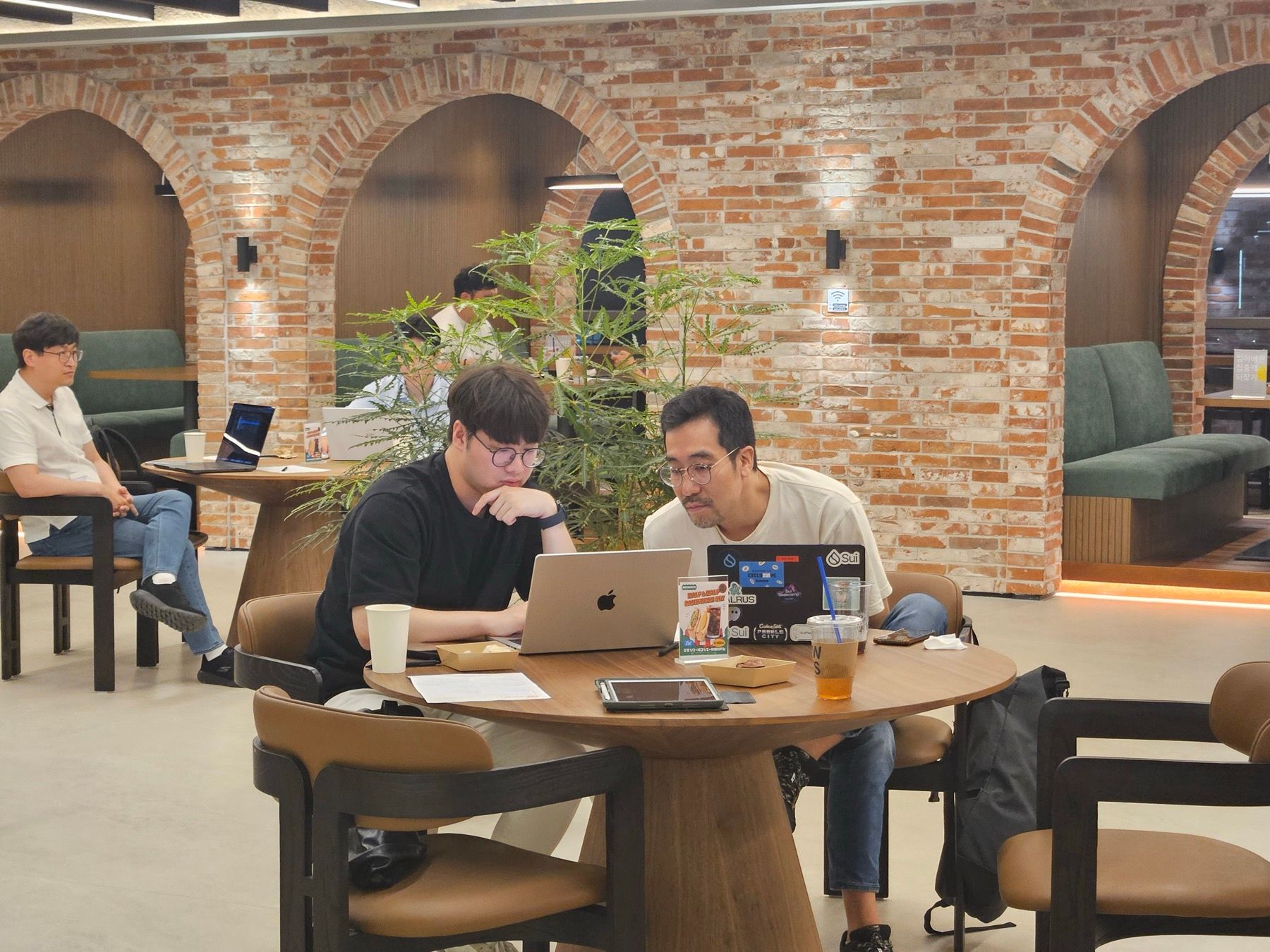
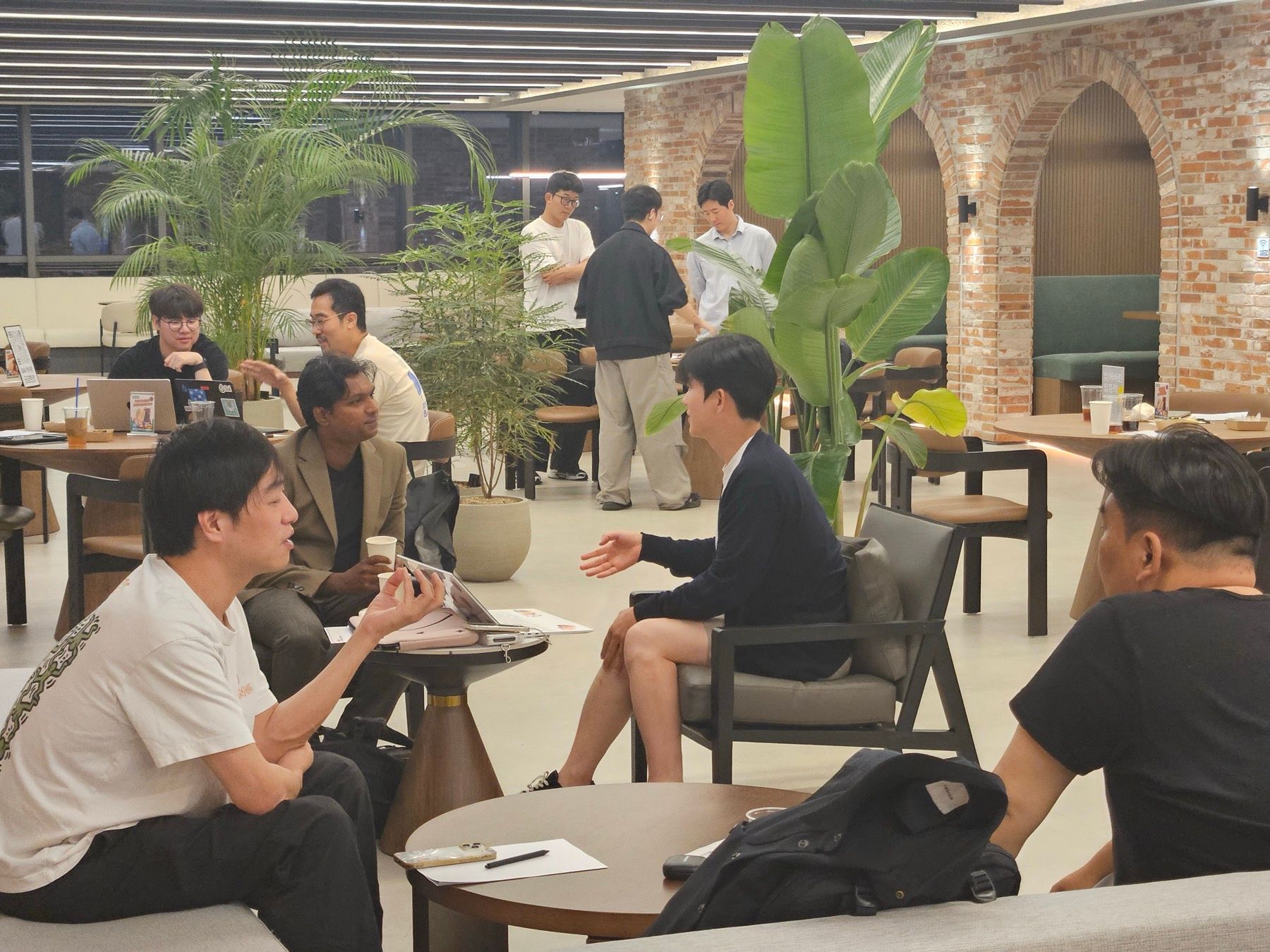
From Pharmaceuticals to Utilities, Fifteen Branches
More than fifteen real-world cases took the stage that day. The range was broad. Kim Moon-gyu showed the process of using Claude and Gemini together to assist in drug development and even building a clinical AI server. It was a story of AI already being part of the working pipeline even in areas carrying the weight of research.
There weren't only large-scale cases. Lim Geun-seok came with a small utility he built himself using Codex and Claude that blocks keyboard input when cleaning his MacBook. It was a tool tailored exactly to his needs, eliminating a minor daily inconvenience through code. Hwang Ha-neul presented a case of reducing a design process from one week to one day using Figma's Make. The time to achieve the same result was compressed to one-seventh.
Parents Step Back, Child Engages with AI
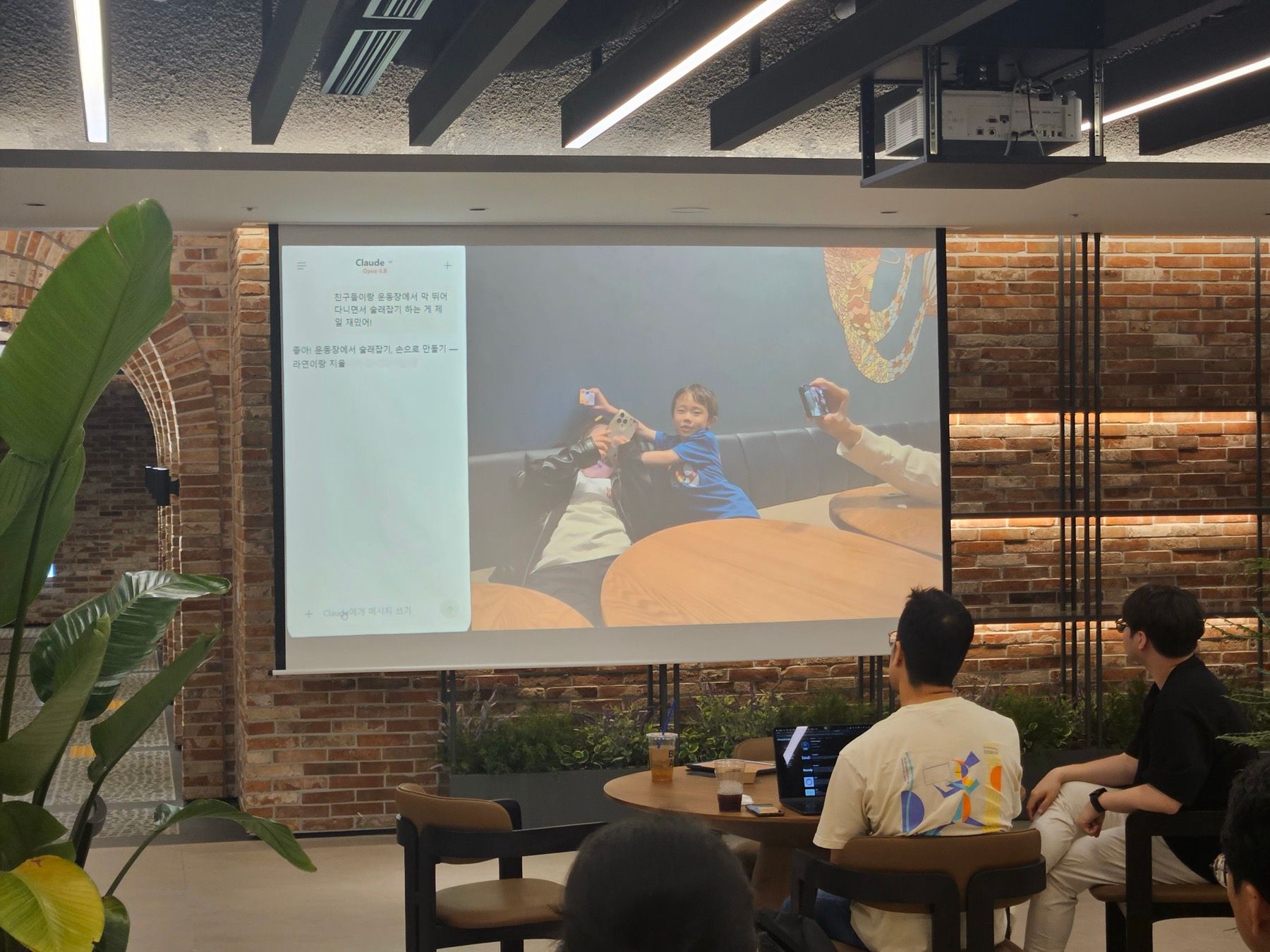
The most attention was drawn to stories of integrating AI into children's education. One participant created an AI video with their first-grade elementary school child using public data. The key wasn't the output but the method. Instead of the parent inputting prompts on behalf of the child, the parent stepped back to let the child directly converse with the AI agent and complete it with their own hands.
Education that hands over tools and education that lets children handle tools themselves are different. This is why this case drew particular attention from an educational value perspective. A generation that accepts AI not as a strange machine but as a conversation partner was already growing up in a Busan household.
Meeting Minutes and Taxes, Quiet Automation
Achievements in workflow automation were also clear. A case emerged of connecting Clova and local LLM to systematically process meeting minutes that had only been accumulating, transforming scattered records into organizational knowledge assets. It was work that turned what had flowed away in speech into searchable assets.
In areas dealing with numbers, a case that honestly targeted AI's weaknesses gained empathy. It was a story of attaching APIs to financial and tax work to reduce AI hallucinations and significantly cutting time on repetitive Excel tasks. It revealed the attitude of practitioners who don't blindly trust AI but use it alongside verification mechanisms.
A Bridge Connecting Scattered Experiences
Jung Hee-jin, co-founder of SOUTH BRIDGE, which organized the event, said that day confirmed Busan users are already deeply using AI in their own ways across search, planning, design, and development. The problem wasn't skill but connection. Not letting individual experiences remain scattered, becoming a bridge that connects each other's signals—that's the value SOUTH BRIDGE has attached to its own name.
Based on the insights from that day, SOUTH BRIDGE plans to divide follow-up programs according to proficiency and purpose. These include practical deep-dive workshops on areas like Excel automation and design, builder roundtables where makers gather, and leader network meetings for those leading organizations. The three principles this community has established are: centering on experience, recording that experience, and not being tied to specific platforms.
Experience over theory, record over promotion. What that night at Sangsangmadang showed was an early form of such culture. The way Busan handles AI was already shifting from the learning side to the using and sharing side.
This article was automatically translated from the Korean original by AI. For the authoritative version, read it in Korean.
한국어 원문 읽기 →