Launch Day Is Day Zero
Live ops studios operate a single game forever. That model converts the risk of game entrepreneurship into endless operating costs. Eternal operation means eternal design debt.
AI Summary
Live service games have transformed game development from a sprint to launch into an endless operational cycle, fundamentally changing studio organization, financial structures, and risk profiles. While successful live ops titles like Fortnite generate stable revenue, the model demands constant content production, permanent staff allocation, and sustained funding that can bleed studios dry before reaching critical mass. For small indie studios, especially in regions like Busan, the path forward lies not in imitating live ops but in embracing finite, design-focused games that stand out amid the content flood.
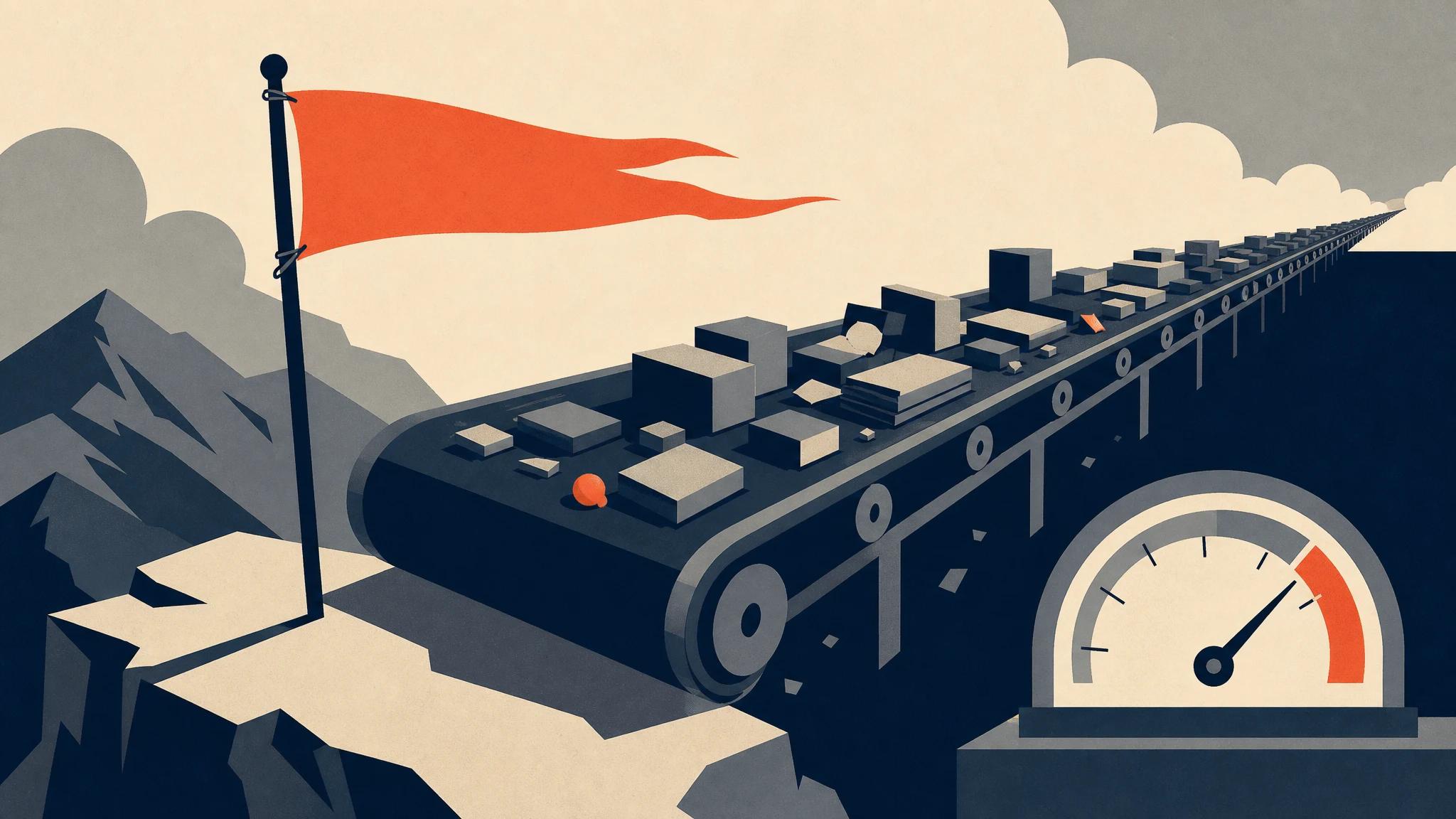
For game developers of the past, launch day was the finish line. They pressed the gold master, burned the discs, and moved on to the next project. Live service games have no such finish line. Launch day is day zero. From that day forward, patches, seasons, events, and balance adjustments continue endlessly. This structure simultaneously rewrites a studio's organizational chart and bank balance.
Making One Game a Lifetime Job
Those who've operated a live ops game for a long time know this. The real content in this genre isn't graphics or story—it's the operations calendar. Last year's Helldivers 2 incident is a good example. Arrowhead nerfed weapon balance in a patch, faced player backlash, and the CEO publicly apologized before rolling it back. This couldn't happen with a single-release game. If you sell it once and you're done, there's no one to apologize to and no patch to roll back. Operations become the product, which is why every design decision remains as permanent debt.
How does this change organizations? Until launch, a studio is a production organization. After launch, it must metamorphose into an operations organization. Live data analysts, community managers, season planners, on-call server engineers—the ratio of makers to operators flips. This is exactly what Bungie experienced running Destiny 2. As it became a factory churning out new content every season, the creative capacity to design the next major expansion dried up. The eternal operations model ties up personnel eternally. The moment one title becomes a lifetime job, that job steals the hands needed to create new titles.
Funding Shifts from Single Bets to Endless Subscriptions
The most dramatic shift in risk structure is money. Funding for packaged games was gambling. Pour in development costs and stake your fate on first-week sales. Live ops converts this gamble into a subscription model. It sounds like good news—you won't die in one shot. But flip it around: it's also a structure where you can't die.
Look at the data. After Helldivers 2's explosive initial success, concurrent players plummeted. Live ops revenue doesn't come from launch sales but from sustained spending by remaining players. This means the break-even point isn't at launch but one or two years later. For investors, the recovery point recedes; for studios, operating costs drain the account monthly. Even when you stop creating, server costs and personnel expenses don't stop. If single-release games are one big bet, live ops is a chain of endless small bets. What's truly terrifying in game entrepreneurship isn't big losses but unstoppable bleeding. Live ops game mortality statistics prove this. Concord shut down service just two weeks after launch. Years to build, 14 days to die. Games that sell once and finish don't die this way.
Here comes a strong counterargument: doesn't live ops create stable cash flow? Look at Fortnite and Genshin Impact. That's true. But it's survivorship bias. Behind one surviving live service lie dozens that folded before launch or died instantly like Concord. The stability of the subscription model only kicks in after crossing a critical user threshold. Until reaching that threshold, live ops is a longer, more expensive gamble than packaged games. The more recovery is delayed, the longer you must endure death.
Busan's Indie Scene Can Avoid This Trap
Watching this trend from Busan evokes mixed feelings. Live ops is a war of capital and personnel scale. You need a factory to endlessly churn out seasons, funds to run servers continuously, and staff to soothe the community daily. For small studios, it's an entry barrier close to a death sentence. That's why the moment Korea's indie scene tries to imitate this model is most dangerous.
Here I arrive at my conclusion. Fun doesn't come from production volume. It comes from friction, constraints, and intentional refusal. Live ops' infinite content factory is the opposite philosophy. More, more often, without interruption. That very lack of interruption is design's enemy. Motion Twin, developer of Dead Cells, threw out finite updates instead of infinite seasons and walked away. Because it was a finite game, each update carried weight. Balatro, made by one person as a single-release game, shook the gaming world last year. No seasons, no subscriptions, no operations team. Constraints became identity.
What Busan indies should learn isn't live ops' funding model but the gaps that model has revealed. When eternally operated games lose their personality in content floods, space opens for small games with clear endings and sharp refusals to wedge in. In an era where launch is the beginning, some games are stronger because launch is the end. The ability to stop isn't a weakness but a design luxury.
This article was automatically translated from the Korean original by AI. For the authoritative version, read it in Korean.
한국어 원문 읽기 →