A Conference Is Not a City
Has Busan's blockchain regulatory free zone created an industrial cluster, or just an event venue that sparkles a few days a year? We walk through this city again, tracing the routes of those who actually work here.
AI Summary
Busan has succeeded in attracting blockchain conferences, but the true test of whether it has become a web3 city lies not in visitor numbers but in whether companies and workers remain after events end. A genuine industrial cluster is measured by daily foot traffic—workers commuting to the same buildings, encountering peers at lunch, and creating the density that sparks hiring, collaboration, and new startups. For Busan to transition from event venue to true cluster, it needs builders who stay, second-generation companies founded by those who exited their first, and institutions that operate as permanent infrastructure rather than temporary permits.
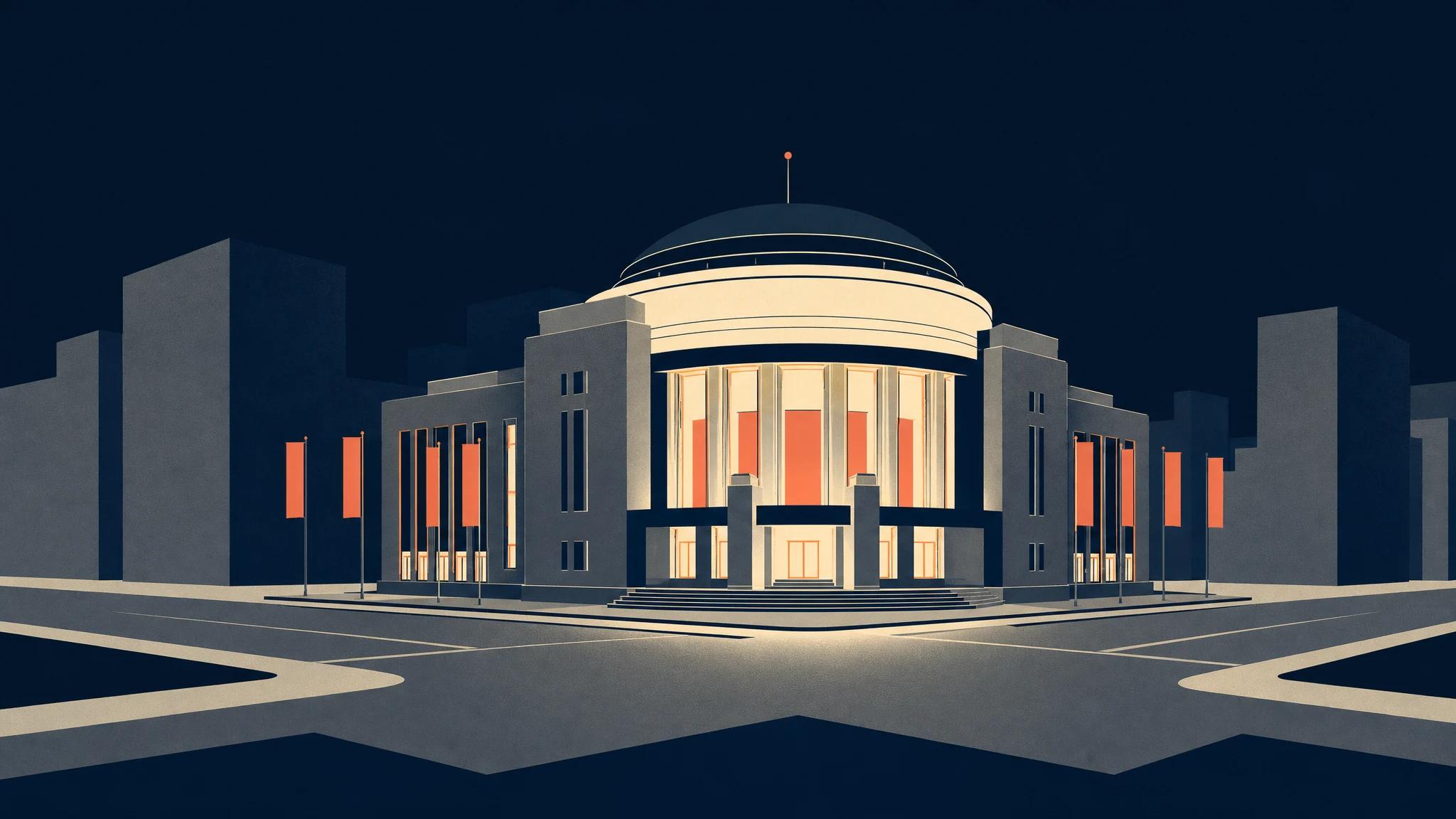
BEXCO in November is always a familiar scene. Foreigners wearing fluorescent wristbands pour out of Centum City Station dragging suitcases, and announcements mixing English and Korean ride up the escalators. It's a scene that repeats every time Busan hosts a blockchain conference. After those three days pass, the suitcases drain back out to Gimhae Airport. What remains in the city are usually just settlement reports and next year's bid proposals.
So the question needs to be reframed. Not whether Busan can become a web3 city, but whether someone has a desk to commute to in this city on Monday morning after the conference ends. Cities are measured not by events but by foot traffic. The number of people walking into the same building at the same time every day—that's a cluster.
The Special Zone Was a License, Not Real Estate
When Busan was designated a blockchain regulatory free zone in 2019, the core was not land but regulatory exceptions. Korea's financial regulations had long lacked a legal framework to directly address virtual assets and distributed ledger technology, and the regulatory sandbox was a mechanism to grant temporary permission to experiment within that gap. Blockchain demonstration projects ran in areas like logistics, tourism, and safety data, and the movement to establish the Busan Digital Asset Exchange (BDAN) was also part of this flow.
Up to this point, it's an institutional achievement. But for institutions to become industry, they must cross one more stage. Demonstration projects stop when budgets end, but industry keeps rolling on revenue even after budgets end. Examining the special zone through a builder's eyes means looking at precisely this boundary line. Not how many demonstration reports were produced, but whether the teams conducting those demonstrations left companies in Busan and hired more people.
The structural limitations of sandboxes must also be viewed honestly. Temporary permits inherently start with a ticking clock. Two years, at most a few extensions. From a founder's perspective, if a license has a fixed expiration date, it makes long-term hiring and long-term leases hesitant decisions. This time structure is the most common reason special zones fail to solidify into clusters.
Clusters Reveal Themselves at Lunchtime
Real industrial cities reveal their identity at lunchtime. Pangyo is like this. When noon arrives, people working in the same field encounter each other in the same alleyways, and job changes, collaborations, and startups begin from those chance encounters. The essence of a cluster is not buildings but density. How many companies doing the same work exist within walking distance for lunch.
Walking through Busan by this standard becomes sobering. Centum City has a concentration of IT companies and broadcasting and video infrastructure, and the Munhyeon-dong financial district has Korea Exchange and financial public corporations. Both look like fertile soil for web3 to grow. But good soil and the formation of clusters on top of it are different problems. The probability that when a web3 team goes out for lunch, they'll meet someone speaking the same language at the next table—an honest diagnosis is that it's not yet as high as Pangyo.
Here a common counterargument emerges. Busan is a latecomer anyway, and in a country where talent is concentrated in Seoul and Pangyo, the very idea of a regional city creating a web3 cluster is unrealistic. It's a valid point, and half right and half wrong. Busan cannot beat Pangyo in talent density competition. However, in certain areas of web3—such as asset tokenization, exchange infrastructure, or logistics data—areas where Busan already has port and financial infrastructure, it could be not a latecomer but strategic territory. Clusters don't start with an entire city but with a single alleyway.
The Perspective Builders Need
The signals builders should look for when choosing a city are simple. First, are there more people who stayed than left? If the majority of teams that came for special zone projects packed up when projects ended, that's an event venue, not a cluster. Second, is a second company emerging? If after one team exits or folds in Busan, its members start their next company again in Busan, that circulation means the city is retaining talent. Finally, is the system transitioning from temporary permits to permanent infrastructure? Whether it's an exchange or data standards, only when institutions establish themselves not as ticking clocks but as continuously operating entities will people make long-term plans.
Busan has clearly reached the point of becoming a city good at attracting conferences. That's no small achievement. However, event attraction capacity and industry retention capacity are different muscles, and the latter is measured not by the number of visitors wearing wristbands but by the number of residents commuting on Monday morning. If you're a builder, next time you go to Busan, I recommend looking not at BEXCO but at the Centum City restaurant district at weekday noon. If people doing the same work are lining up there, the city has already begun its answer.
A city is proven not by a three-day stage, but by desks where lights are still on come Monday.
This article was automatically translated from the Korean original by AI. For the authoritative version, read it in Korean.
한국어 원문 읽기 →