The Hero Slayer Who Swaps Heads
Roguelites change what you hold in your hands. Skul moved that space above the neck.
AI Summary
Skul: The Hero Slayer, developed by SouthPaw Games and published by Neowiz, distinguishes itself in the saturated pixel action roguelite genre through its head-swap system that changes the entire character rather than just weapons. The game's core mechanic transforms identity itself into a switchable resource, making combat about deciding 'who to become' rather than 'what to equip.' While it doesn't escape the structural fatigue inherent to roguelites, Skul demonstrates how a Korean indie team can compete through depth of a single design rather than sheer volume.
The Head Is the Character
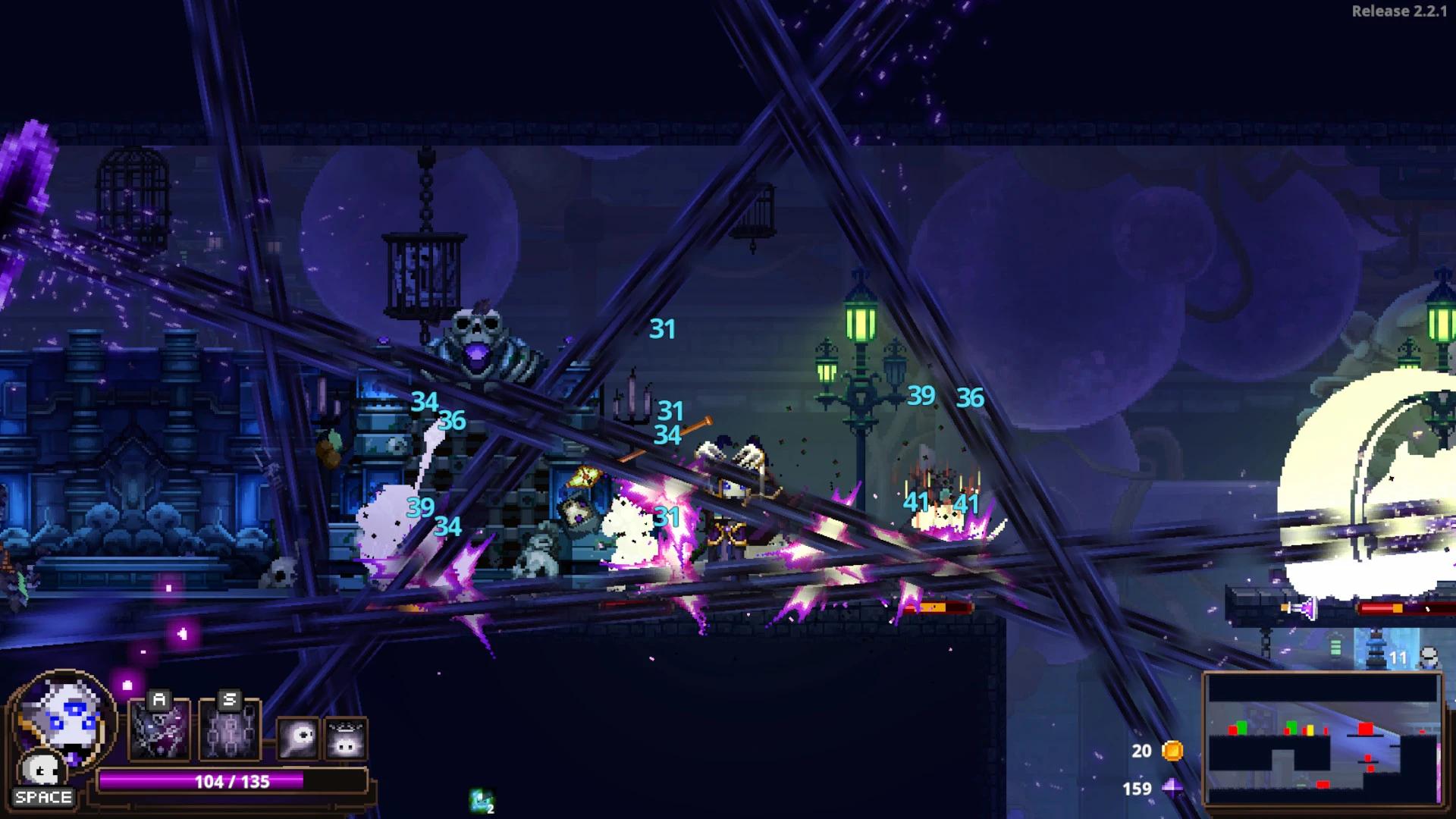
Skul: The Hero Slayer · Source: Steam
Roguelites usually change what you hold in your hands. You pick up weapons, equip relics, and build up your loadout. Skul: The Hero Slayer moved the stage of exchange from the hands to above the neck. When you swap out a skull head, it's not just one weapon that changes—the entire character transforms. Movement speed, attack range, rhythm, even the grain of the combos you've learned—everything becomes a completely different person.
This game, developed by SouthPaw Games and published by Neowiz, enters the already saturated genre of pixel art action. In the Korean indie scene, pixel action roguelites are nothing new as a starting line. But Skul takes a step sideways from that starting line. The key lies not in flashy volume but in a single decision.
A Single Design: Head Swap
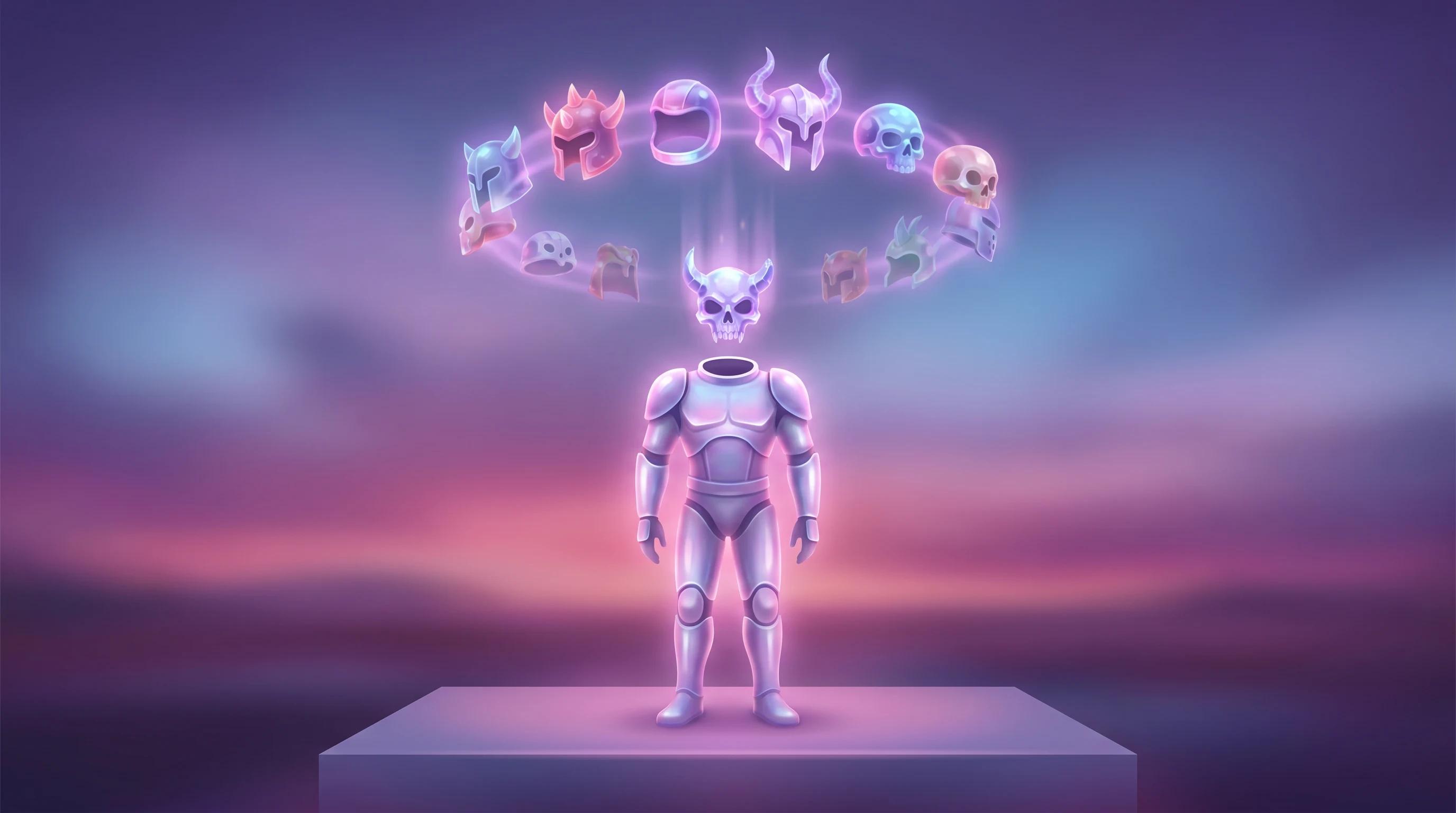
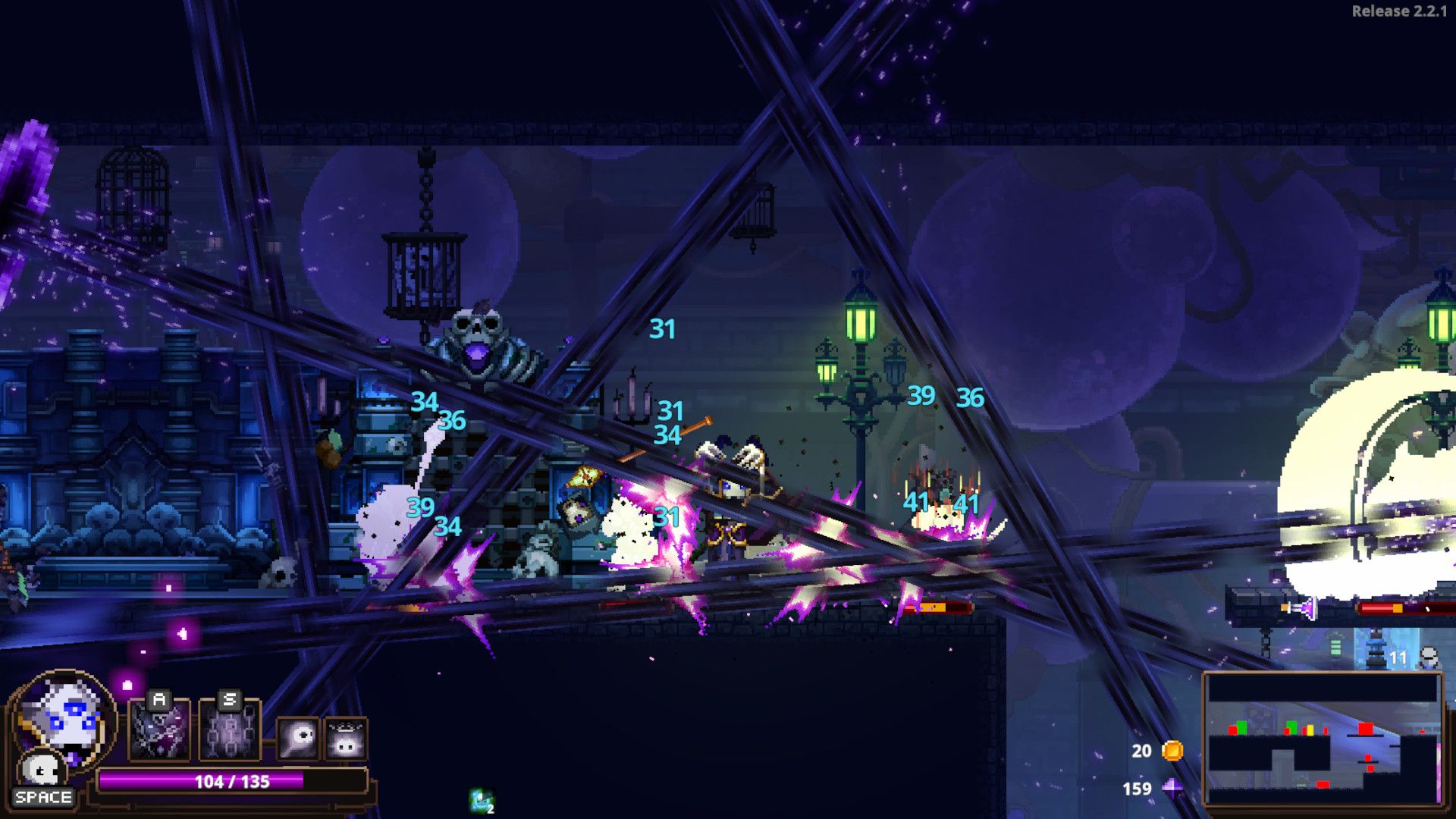
What makes this game special is one thing: the head-swap system. Changing heads sounds light, but in practice it's weighty. In weapon-swap roguelites, players typically optimize builds by seeking stronger options. Skul flips that thinking. You collect multiple heads, swap them according to the situation, and pull that swapping itself into the rhythm of combat.
What's clever about this is that swapping becomes not a cost but an expression. The transitional play of creating distance with one head and diving in with another sits at the center of the tactile feel. If weapon swapping is a question of 'what should I equip,' head swapping is a question of 'who should I become now.' In treating identity as a swappable resource, it writes a different sentence from the grammar of typical build games. When the decision cost of this switching is layered on top of the impact feel of pixel art action, a game that keeps your hands busy becomes one that keeps your head busy too.
The title honestly points to this design. The protagonist is the one hunting heroes. This role reversal—making you see the game from the position of the mob typically slain by heroes—points in exactly the same direction as the fluidity of identity in swapping heads. The gimmick and the theme don't operate separately.
Honest Weaknesses
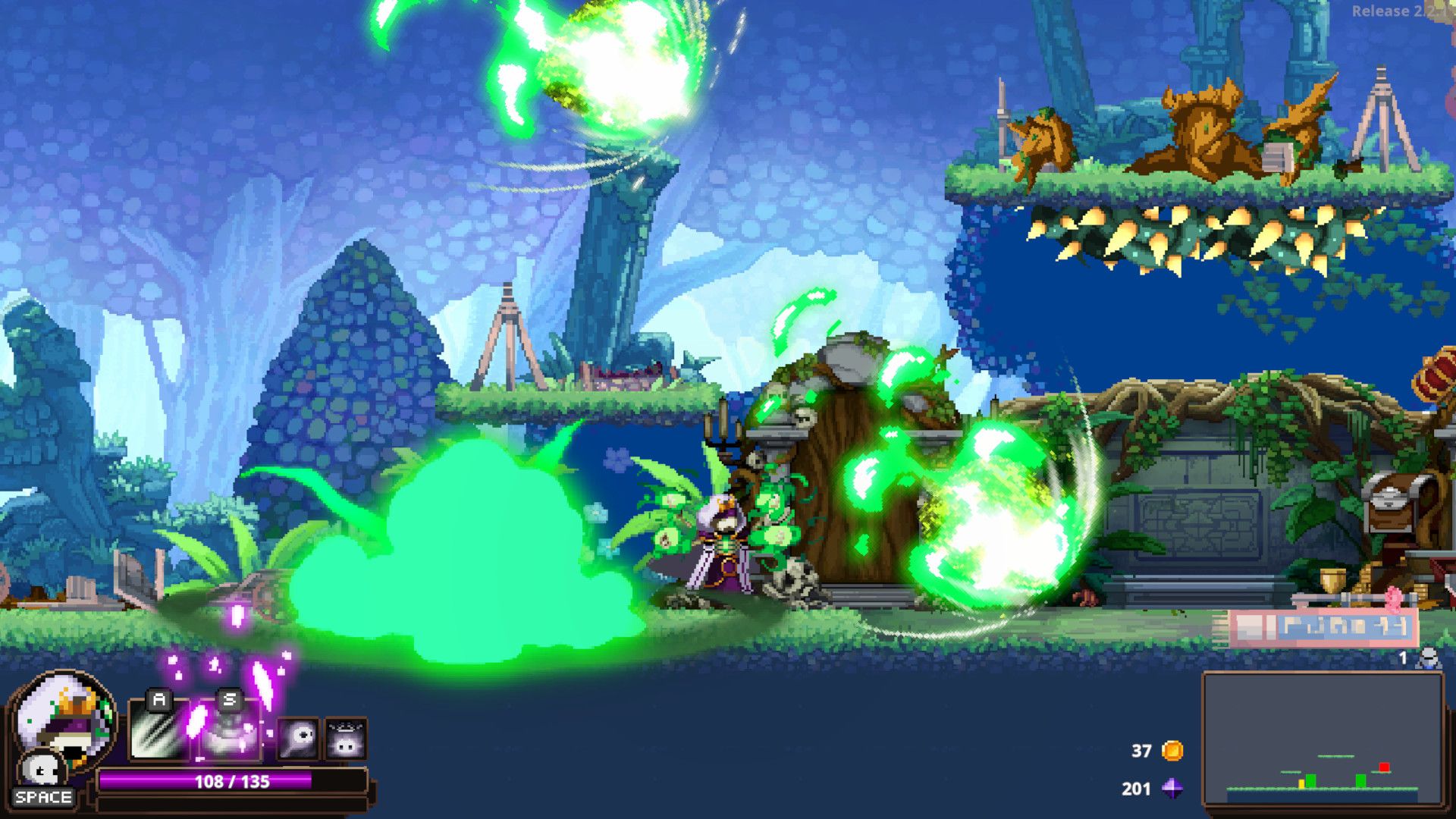
The gravity of a genre can't be completely escaped with a single design. Pixel action roguelites are a genre that runs on repetition. Even if head swapping provides variation to each run, the fatigue from the structure of circling through the same sections remains. Once the fun of swapping becomes familiar, there may come a moment when your hands settle on a few preferred heads. Keeping all options equally viable is an eternal challenge for this kind of system. It's less a flaw unique to Skul and more a structural burden this design carries.
Its Place in the Korean Indie Scene
Korean indie is always split between the path of playing it safe with well-executed imitation and the path of carving out one's own line on a proven skeleton. Skul is the latter. It didn't invent a new genre. Instead, it re-inscribed the swap mechanism of the already familiar roguelite in the most unexpected position. The fact that the publisher is Neowiz reads as a signal that this kind of indie attempt reached broader distribution. What's interesting from the perspective of Busan-based media isn't the scale but the attitude. A small team competed through the depth of a single design instead of a volume race.
To put it self-referentially, good indie isn't about a new genre but a new angle on a familiar genre. Skul precisely grasped that one angle.
This article was automatically translated from the Korean original by AI. For the authoritative version, read it in Korean.
한국어 원문 읽기 →