After Steam, The Next Row—Busan's Empty Seat
As global indie distribution moves beyond relying solely on Steam, Busan lacks the bridge to convert the traffic gathered by G-STAR and BIC into funding and publishing operations. The bottleneck lies not in founders' capabilities, but in the external wiring around them.
AI Summary
While Busan hosts major gaming events like G-STAR and BIC that attract significant traffic, the ecosystem lacks the operational infrastructure to convert this into sustainable funding and multi-storefront publishing for indie developers. Korean indie teams are capable of making globally competitive games but remain stuck with Steam as their only distribution channel, not due to individual shortcomings but because the ecosystem fails to provide access to diversified platforms like itch.io, Epic, GOG, and regional stores. Busan has an opportunity to fill this gap by creating funding mechanisms and micro-publishing services that handle multi-platform operations, turning its event traffic into year-round export channels.
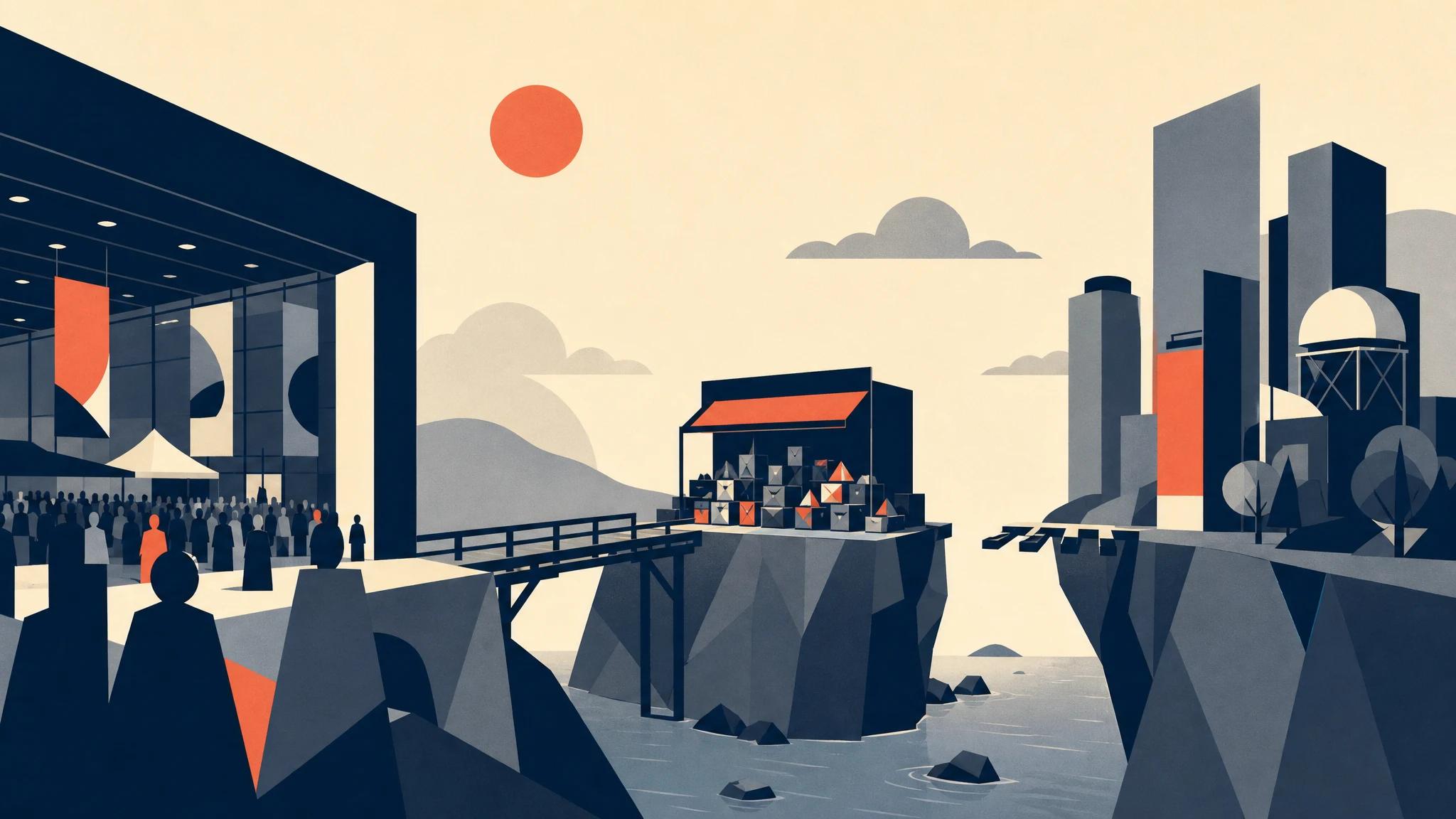
At a booth in one corner of Busan's BEXCO, a two-person dev team showcases their game. The demo is good. The feel is alive, and the visuals hold their own against Japanese or North American indie titles from the same period. But when the conversation turns to launch plans, the answer is always the same: first build a wishlist on Steam, if lucky catch a festival slot, and after that—who knows. The game is built for a global audience, yet the path to putting it out into the world converges on Steam alone.
Here comes the common diagnosis: they don't know marketing, lack business sense, their English is weak. All statements that blame the individual founder. I find this diagnosis lazy. Korea does not lack good game founders. What is weak is the distribution and funding structure that supports good games in expanding beyond Steam into multiple global channels.
An Exit Converging on One Steam Lane
Global indie distribution is clearly fragmenting now. On itch.io, developers can set their own commission down to zero, and there's a community seeking experimental works. Epic Games Store shook up the table with an 88-12 split instead of 70-30. GOG carved out its identity with DRM-free and preservation programs, and Humble Bundle creates an initial player base even for unknown titles through bundle sales. Distribution infrastructure like Rokky connects over 200 publishers to over 200 regional storefronts, claiming to generate an average 10–20 percent additional revenue just from channels layered on top of Steam.
| Channel | Differentiators | |
|---|---|---|
| itch.io | Set your own commission down to 0% | Experimental games community |
| Epic Games Store | 88-12 split | Challenging Steam's 70:30 |
| GOG | DRM-free & preservation | Distinctive identity |
| Humble Bundle | Bundle sales | Early foundation for unknown titles |
Indie developers worldwide already use multi-storefront as the default. They grow communities on itch.io, draw revenue from Steam and Epic, and expand reach through GOG and Humble. Yet many teams I met at Busan booths don't have this route map in their heads. Not because individuals are lazy, but because the default path the Korean ecosystem teaches and connects them to is Steam alone.
The Bottleneck Is the Network, Not Capability
Let's examine capital, talent, regulation, and customer access in turn. Starting with capital, Korean indie funding in 2026 has clearly improved. There's Busan's Bu:Star game content production support, and private players like Superfast have entered, offering investment and publishing together tailored to development stages. Twelve Global Game Centers nationwide provide office space and export support. The problem is the nature of this money. Most of it is development funding that supports up to the production stage. It covers the cost of making games, but the launch and distribution operational capital—needed to simultaneously push a finished game into five channels and navigate regional payments, localization, and store reviews—remains empty.
The talent bottleneck has the same shape. Korea has many people who make games well. But publishing operators who have managed itch.io builds separately, negotiated Epic splits, and listed games on Brazilian or Vietnamese regional stores are rare. Customer access is similar. BIC 2025 gathered approximately 270 indie games and holds export consultation meetings during the offline period where publishers and investors from Brazil, Latin America, Europe, Japan, Thailand, and Vietnam regions meet. A good start. But once the three-day meetings end, there's no standing channel to keep those relationships running year-round. Regulation trips up small teams not at the game level itself, but in operational layers like overseas payments, currency exchange, and taxation. All four bottlenecks are wiring problems outside the founder's head, not inside it.
The Gap Busan Can Fill
Here lies Busan's position. Busan is the only coordinate that holds both G-STAR, Korea's largest game exhibition, and BIC, Asia's largest indie showcase, simultaneously. The traffic exists. What's missing is the standing engine that converts that traffic into funding and publishing.
From a startup funding perspective, the gap is clear: a small launch fund that covers not production costs but multi-storefront launch itself. A structure that provides, on a recoupable basis, the cost of simultaneously deploying to itch.io, Epic, GOG, Humble, and even Rokky-type regional distribution. From a publishing perspective, the gap is operational agency that turns three-day consultation meetings into twelve-month contracts. A micro-publisher that packages channel-specific build management, distribution negotiation, localization, and regional payment as a single team offering. Neither requires massive capital. Both are thin layers laid over the 270 teams and Global Game Center infrastructure Busan has already assembled.
The counterargument goes like this: Steam is so dominant that focusing there is rational, and adding channels only increases operational burden for small teams. Half true. That's why the key lies in having the ecosystem absorb the operational layer rather than dumping channels onto developers. Lizard Smoothie's Shape of Dreams surpassing 500,000 copies within two weeks of its Steam launch demonstrates the explosive power of a single channel. But that's simultaneously an exceptional stroke of luck, and also evidence that hundreds of teams below disappear for lack of second and third channels.
The Side That Must Keep Pace
The gap Busan can fill ultimately reduces to one sentence: building an operational bridge between teams who make games but can't launch them, and the fragmenting global distribution network. If that bridge is made standing through funding and publishing operations, the traffic of G-STAR and BIC becomes not a three-day festival but a year-round exit.
Founders are already looking at the world. They know which stores stand in the row after Steam. What's slow now is the ecosystem wiring that will take them there. It's time for the ecosystem to keep pace with the founders.
This article was automatically translated from the Korean original by AI. For the authoritative version, read it in Korean.
한국어 원문 읽기 →