Who Sells Healing
Stardew Valley and Animal Crossing have topped the charts again. We call it rest, but who designed that rest and what does it resemble.
AI Summary
As cozy games like Stardew Valley and Animal Crossing regain popularity in 2026, their appeal reveals a deeper truth: they offer not escape from labor, but a fantasy of fair compensation. While indie cozy games return control of time to players, live-service healing games monetize tranquility through subscriptions and microtransactions, demanding stronger transparency and user protections in Korea.
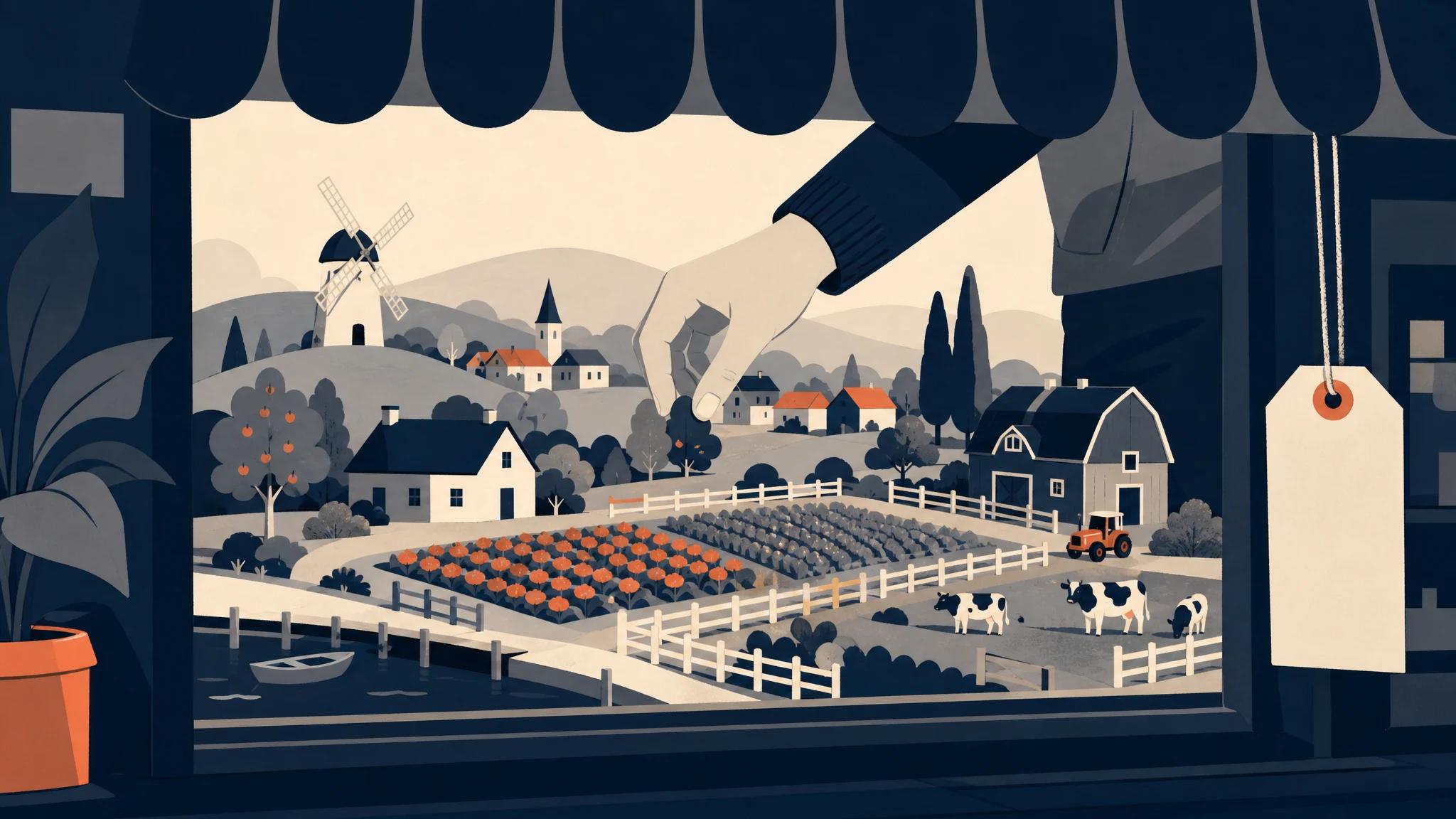
A person comes home from work and lies in bed, turning on their phone. A small farm awaits on the screen. Water the crops, tend the chickens, mine for minerals, give gifts to villagers. An hour passes and the crops have grown, the animals in the pen have fattened. Soft piano music plays. People call this healing. In 2026, as news of a Stardew Valley sequel overlapped with anticipation for a new Animal Crossing title, cozy games once again filled the top of the indie charts, and at a Busan indie developer event, the longest line formed in front of a farming game demo.
Stop here and it's just a heartwarming scene. I want to go one layer deeper. What exactly does this tranquility look like.
Rest Borrows the Grammar of Labor
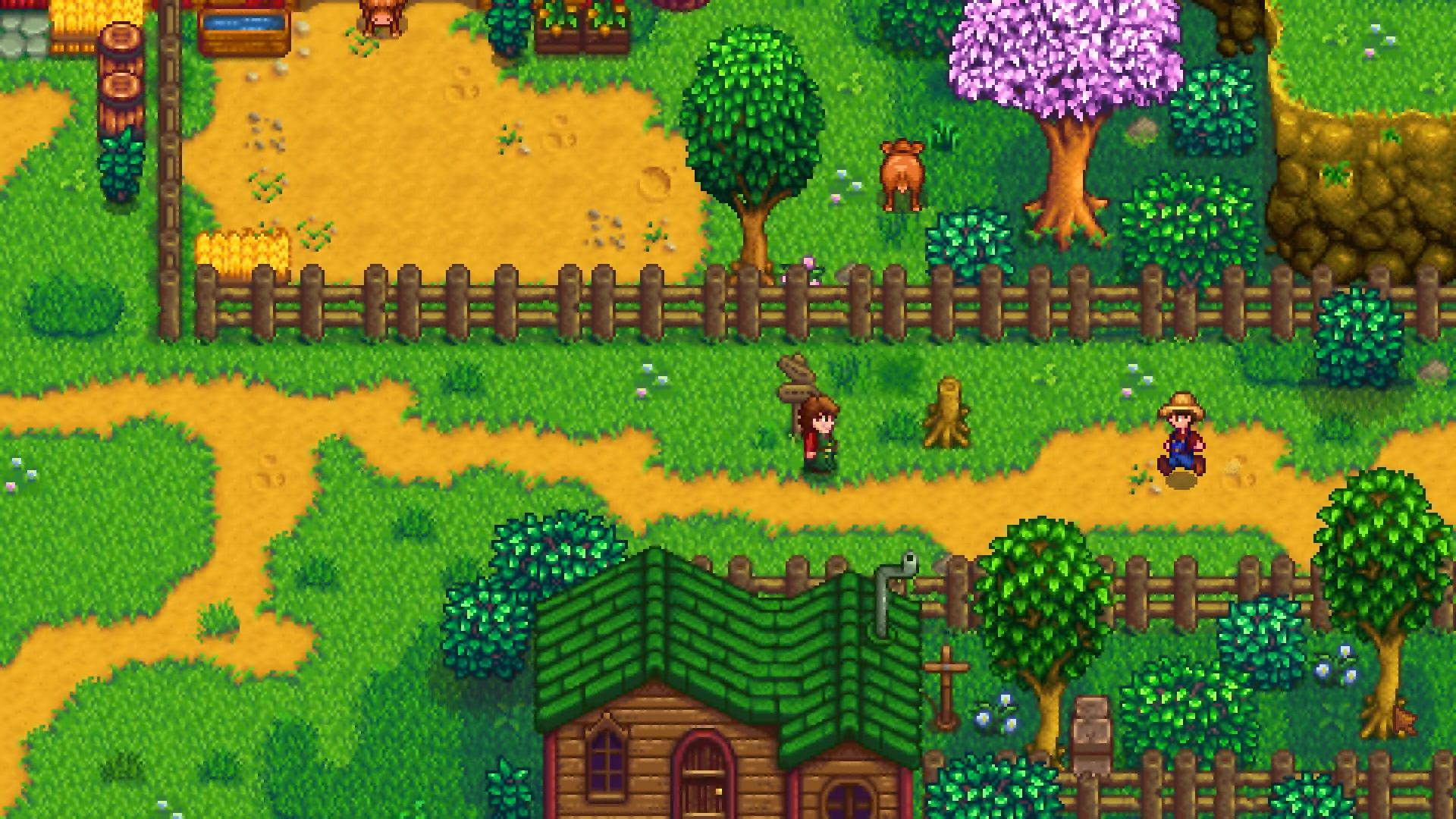
Stardew Valley, representative of cozy games. Source: Steam
Something strange happens when you list the core verbs of cozy games: planting, harvesting, mining, shipping, upgrading, checking in. These are not the language of rest but the language of production. On screen, we're not resting but doing another kind of work. Except this work has precise results, immediate rewards, and no boss.
In real-world labor, input and output are misaligned. Even when you work overtime, evaluations are vague, achievements are absorbed upward, and what you created disappears from view. Cozy games design this misalignment in precise reverse. Water once and it grows without fail the next day. There's no betrayal between effort and reward. That's why it's comforting. The problem is the identity of this comfort. The peace we feel in farming games is not peace from escaping labor itself, but a craving for labor where rewards return as promised. What a burned-out society seeks in games is less like rest and more like a fantasy of fair exploitation.
There's no need to read this cynically. Rather, it should be read as a signal. If millions of people feel relieved tending fake farms after work, that's a massive self-diagnosis that real-world labor compensation structures are broken. Games are merely painkillers soothing the symptoms, not diagnostic reports pointing to the cause.
Tranquility Also Gets a Price Tag
If pure indie cozy games are one end of the spectrum, the other end holds the massive market of mobile healing games. The same farm with the same soft music plays, but the operating principles differ. Here, crops take real time to grow, and skipping that time costs money. When energy runs out, you stop, and refilling requires payment or watching ads. Tranquility has been placed on the product shelf.
So it becomes clear who bears the cost. Indie cozy games require one purchase and the player owns their time. Meanwhile, live-service healing games chop tranquility into pieces and resell it through subscriptions and payments. Login rewards, limited events, and season passes wear the guise of rest while forcing attendance again. It's like handing someone who came to rest another schedule. Data follows. When you log in, where you stop just before payment, what rewards you're susceptible to—all measured, and those values feed back into designs that extract the next payment. Our exhausted time zones and maps of impulses become commodities themselves.
| Indie Cozy Game | Live Service Healing | |
|---|---|---|
| Purchase | One-time purchase | Recurring subscriptions & payments |
| Owner of Time | Player | Forced by daily check-ins & events |
| Data | No collection | Tracks engagement & pre-purchase impulses |
A strong counterargument is possible: games are just games, and if they're fun and comforting, isn't that enough. That's right. I'm not saying to quit cozy games. However, we must note that within the same genre, two designs have opposite power structures. One returns time, one resells time again. The same music doesn't mean the same rest.
Better Tranquility Can Be Designed
So the question isn't whether cozy games are good or bad. It's what rules they operate under. As the industry selling tranquility grows, we must determine who controls that tranquility.
The rules Korea can create are not abstract. First, designs that hold time hostage must be made transparent. The actual time crop growth or energy recovery takes and the payment cost to skip it should be specified on the purchase screen, not in advertising copy. Next is strengthening protections for minors against designs combining randomized rewards with attendance pressure. Korea already has experience institutionalizing mandatory disclosure of randomized item information, and that framework can be applied to payment inducement wearing the guise of healing. Finally, regarding designs that collect behavioral data just before payment to target impulses, users must be given enforceable rights to know what is collected and how it's used. Selling tranquility isn't a crime, but rules are needed for the business of measuring and reselling exhausted people's schedules and impulses.
This isn't about stopping technology. Cozy games are an honest signal a burned-out society sends to itself, and have value in themselves. However, depending on who transcribes that signal and under what rules, the same farm can become either a refuge or another attendance sheet. What we must decide is not whether to turn off tranquility, but whose time that tranquility will operate on.
This article was automatically translated from the Korean original by AI. For the authoritative version, read it in Korean.
한국어 원문 읽기 →